
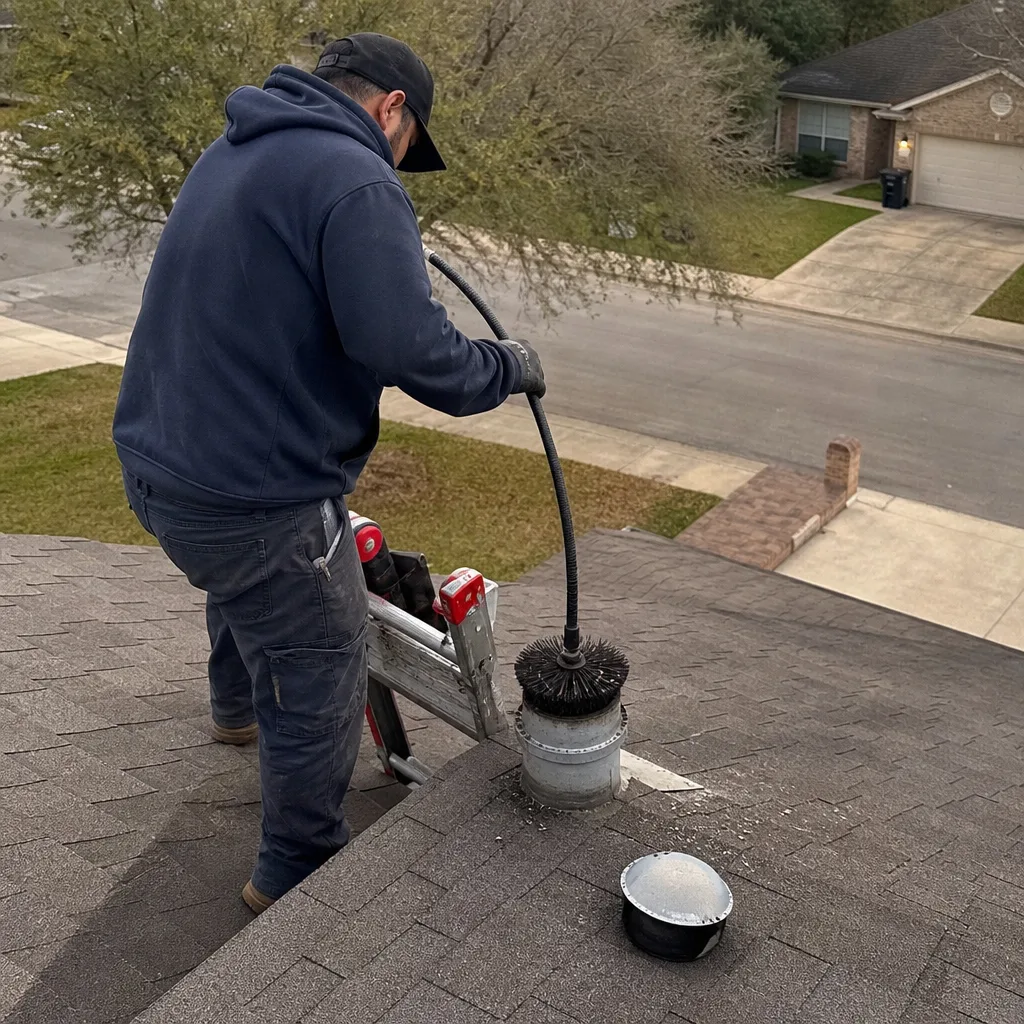
Last updated October 15, 2026
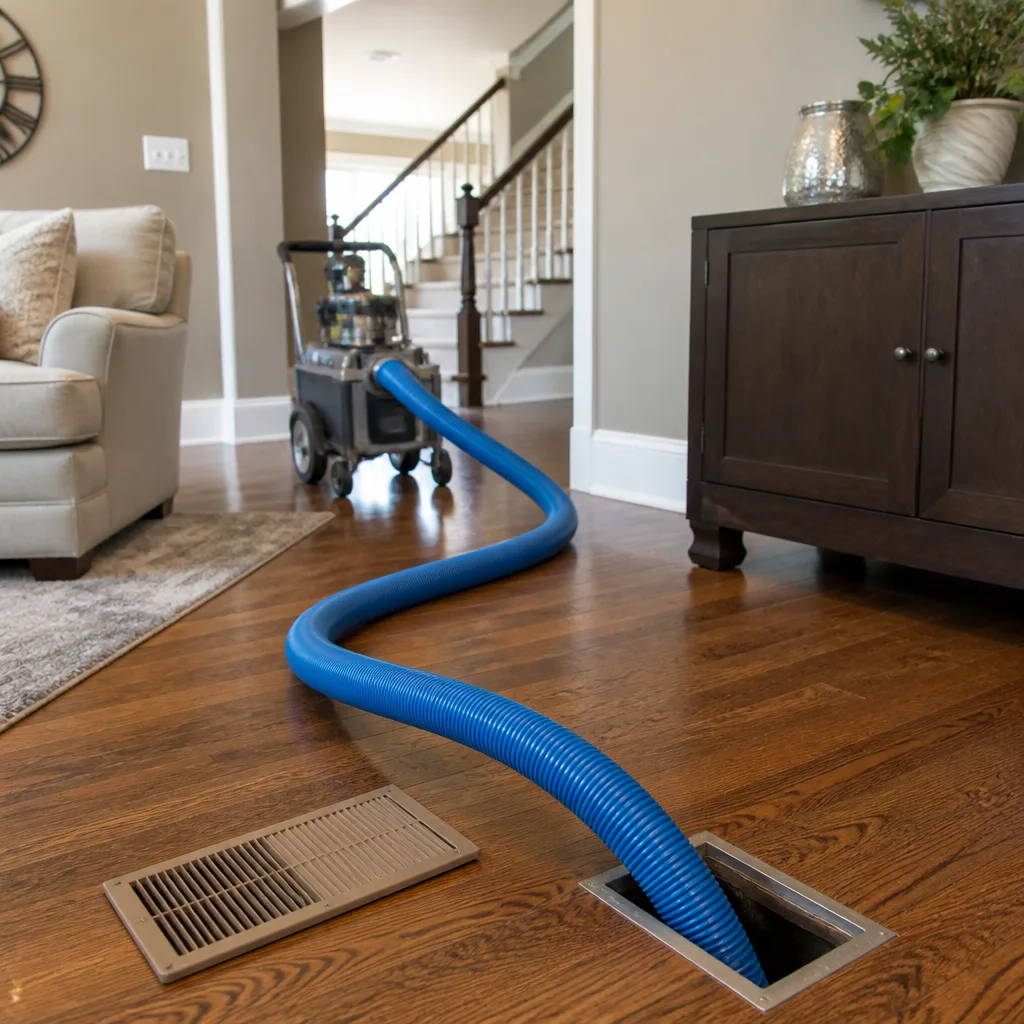 Whole-home duct cleaning
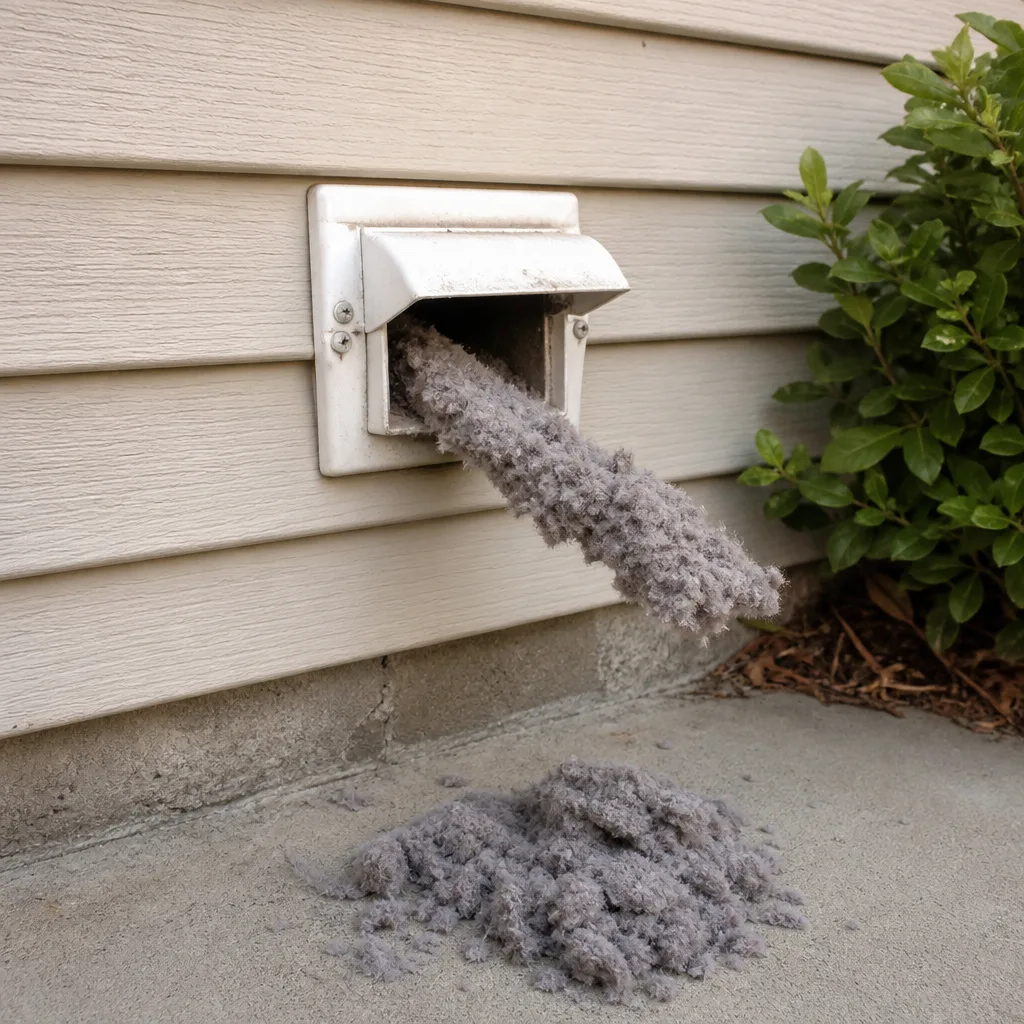 Dryer vent cleaning
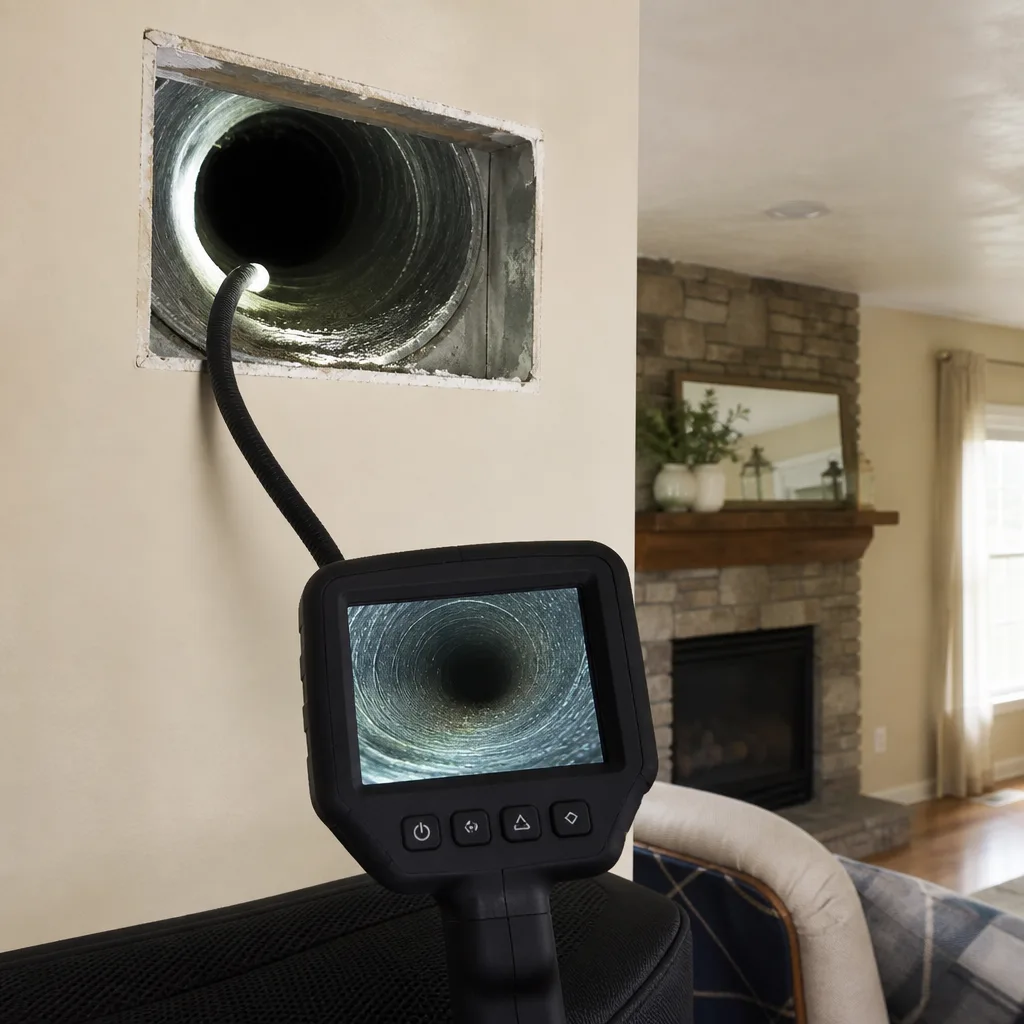 Camera inspection
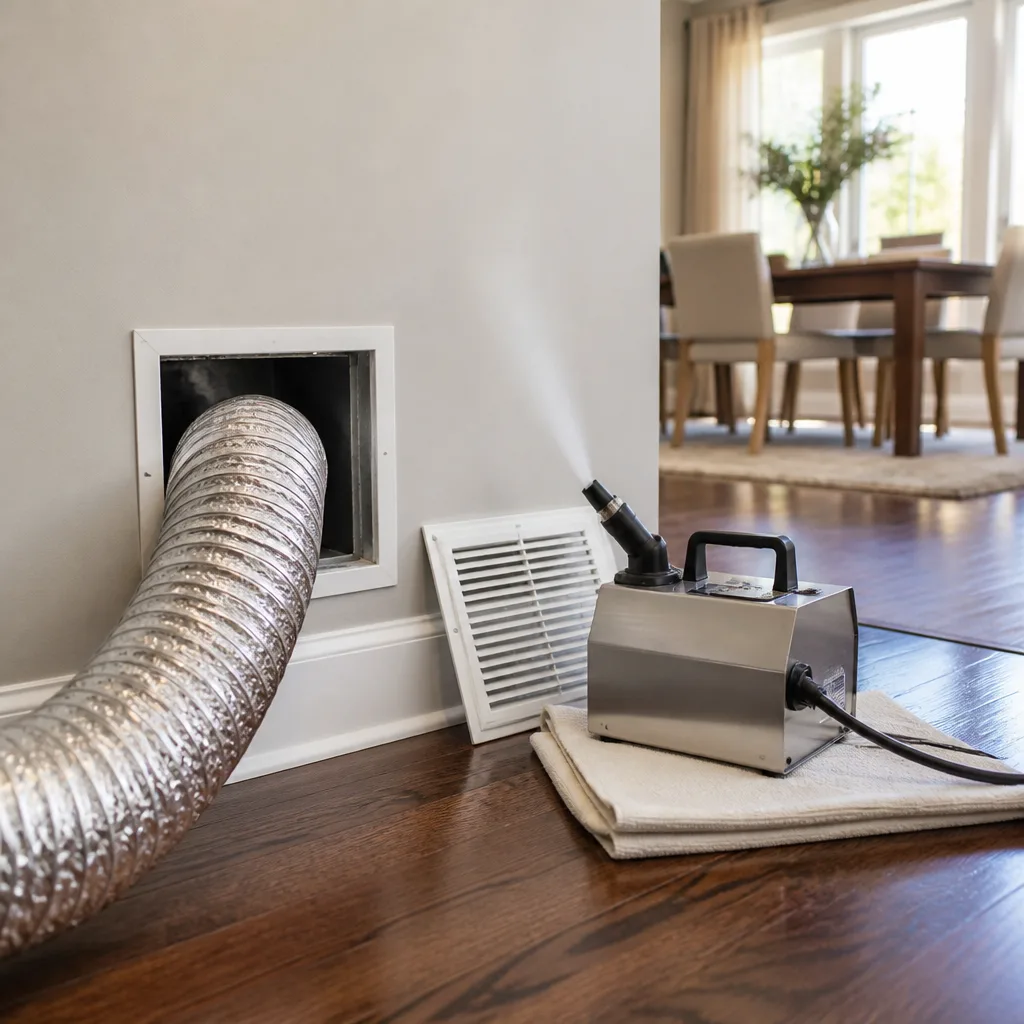 Sanitizing & deodorizing
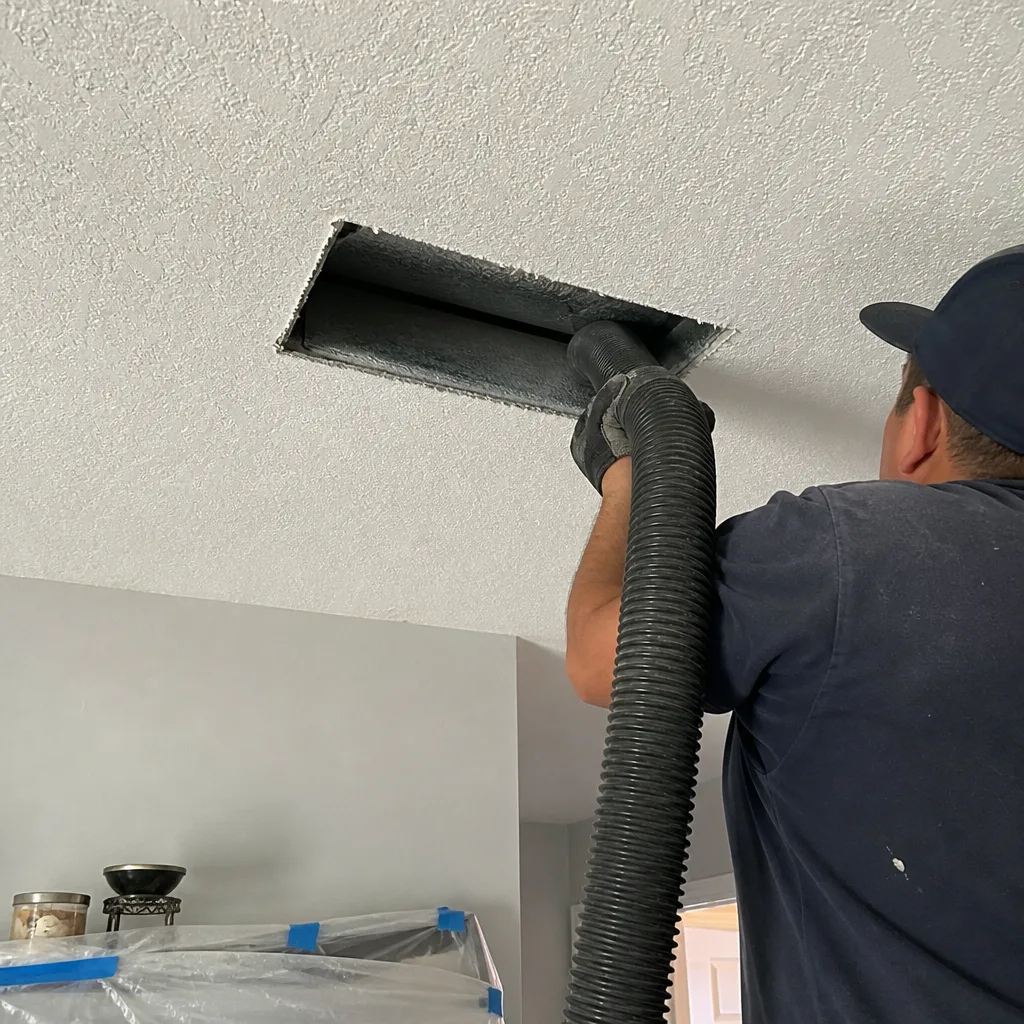
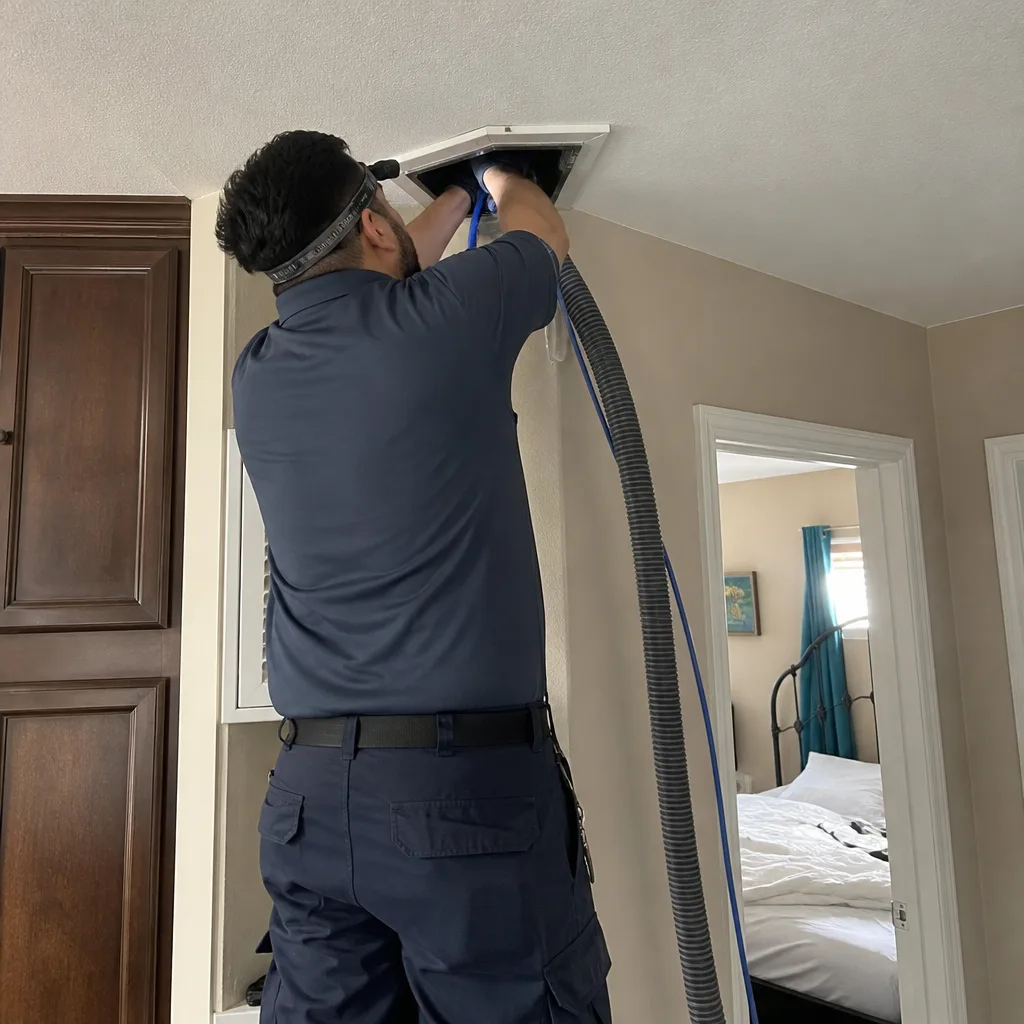
Whole-system duct and dryer vent check with before-and-after photos - you see exactly what came out of your vents
That "$99 whole-house special" is a bait ad - the real number appears once they are in your hallway, or the "clean" is a shop-vac at the register. We photograph the inside of your ducts before and after instead.
Air Duct Cleaning Warning Signs: A San Antonio Homeowner’s Reference Guide
By the time a San Antonio homeowner notices a musty odor coming from their vents, the moisture event that caused it has typically been developing for weeks. Often it traces back to a condensate drain issue or a duct connection failure in an unconditioned attic, where San Antonio summer temperatures routinely push attic spaces past 130 degrees and create the ideal environment for microbial growth. This guide-along with The Complete Guide to Air Duct Cleaning in San Antonio-breaks down the warning signs into two tiers: the early signals most people miss entirely, and the late signals that mean the ductwork has already been compromised. You’ll learn what to look for, what to smell for, what to document, and when a professional inspection in San Antonio is the right call.
Quick Answer
The most reliable early warning signs of dirty or failing air ducts in San Antonio are uneven room temperatures during peak cooling season, furnace filters loading visibly faster than they did the previous season, and a faint odor that appears only when the system first starts up. Late-stage signs include visible dust blowing from supply registers while the system runs, musty or earthy odors that persist after the first few minutes, and a persistent indoor allergy flare that doesn’t track with San Antonio’s outdoor pollen counts.
Styles & brands we work with
Table of Contents
- The Early Signals Most San Antonio Homeowners Miss
- Normal Dust vs. Problem Dust: How to Tell the Difference at Your Registers
- The Three Smell Profiles Every Homeowner Should Recognize
- Why Indoor Allergy Flares Are a Duct System Diagnostic
- What to Document Before You Call a Contractor
- Common Mistakes to Avoid
- When to Call a Professional
- Frequently Asked Questions
The Early Signals Most San Antonio Homeowners Miss
Most warning sign lists start with visible mold or dust blowing from vents. By that point, the system has been failing quietly for months. In our experience cleaning ducts across San Antonio since 2004, the homeowners who catch problems earliest are the ones paying attention to three things that rarely make the standard list.
First: uneven room temperatures during peak summer load. San Antonio’s cooling season runs long, and when one bedroom sits at 78 degrees while the hallway reads 74, homeowners often blame the thermostat or the AC unit itself. But temperature differentials of four degrees or more between rooms on the same zone frequently point to duct problems: a disconnected run, a crushed flex duct, or a return pathway that’s pulling hot attic air into one branch. The AC compressor may be working fine. The delivery system is compromised.
Second: filter loading faster than the previous season. If you’re replacing a one-inch filter every three weeks when it used to last two months, the duct system is delivering more particulate to that filter than it should. That particulate comes from somewhere: return ducts pulling from an unconditioned attic, gaps at the return plenum, or a filter rack that doesn’t seal. A sudden change in filter loading is not normal seasonal variation. It’s a data point.
Third: faint odors only present when the system first starts. This one is easy to dismiss because it disappears after thirty seconds. But that first blast of conditioned air is the only time you’re smelling what settled in the ducts overnight. A brief earthy or stale note at startup is often the earliest detectable sign of moisture accumulation in the ductwork or at the coil. By the time that odor persists through the entire cycle, the problem is established.
Normal Dust vs. Problem Dust: How to Tell the Difference at Your Registers
Every home in San Antonio accumulates dust at the supply registers. It’s normal to see a light gray film on the register face after a few weeks without wiping it down. What’s not normal is the darker, greasy buildup that clings to the register vanes and the surrounding ceiling or wall surface.
That greasy residue is the fingerprint of a specific problem: the system is pulling particulates past a compromised filter or through a gap in duct sealing. Here’s how to make the call at your own registers.
- Color. Normal household dust is light gray or tan, made up mostly of shed skin cells, fabric fibers, and tracked-in soil. Problem dust is darker, often brownish-black, and looks oily rather than powdery. That darkness comes from combustion byproducts, cooking aerosol, and outdoor particulate that should have been caught at the filter.
- Texture. Rub a finger across the register face. Normal dust wipes away clean and dry. Contaminated buildup smears instead of dusting off, leaving a streak. Greasy deposit means aerosolized particles are passing through the system.
- Pattern. Normal dust settles evenly. Problem dust often accumulates in streaks or shadow patterns that follow airflow, especially at the edges of the register vanes where turbulence is highest. You may also see dark smudges on the ceiling around the register where particle-laden air is leaking past the register box and staining the drywall.
If you’re seeing the dark and greasy pattern, the next check is the filter itself. A filter that’s bowed, collapsed, or visibly bypassing around the edges tells you the rack isn’t sealing, and everything downstream is unprotected. That’s a repair question, not just a cleaning question. Our Air Duct Repair in San Antonio service covers exactly this kind of sealing failure, and the written guarantee on every repair means it’s corrected right the first time or we return at no charge.
The Three Smell Profiles Every Homeowner Should Recognize
Odors are the most information-rich warning signal a duct system gives you, but only if you know how to categorize what you’re smelling. In San Antonio’s climate, three profiles account for nearly every duct-related odor complaint we see.
Musty. This is the classic moisture smell, often described as damp towels or a closed-up storage unit. In a duct system, musty nearly always means water is present somewhere it shouldn’t be: a clogged condensate drain backing up into the primary pan, a disconnected duct lying in contact with a humid crawlspace, or condensation forming inside poorly insulated duct runs in a hot attic. San Antonio’s humidity makes this the most common odor profile we encounter. What matters is that musty doesn’t resolve on its own. The moisture source has to be found and corrected, then the affected duct material cleaned or replaced. A musty odor that’s present every time the system runs, not just at startup, suggests the contamination is established inside the ductwork itself.
Acrid. An acrid or burning smell is different from musty. It reads as hot plastic, electrical ozone, or dust burning off a heating element. On a gas furnace, the first firing of the season often produces a brief dust-burn smell that clears in minutes. But a persistent acrid odor during normal operation is a genuinely dangerous signal: an overheating blower motor, a failing capacitor, or wiring under thermal stress. This is not a duct cleaning situation. It’s a shut-it-down-and-inspect situation. Any burning smell from a forced-air system should be treated as urgent and evaluated by a professional before the system runs again.
Earthy. Earthy is distinct from musty. It’s the smell of soil, wet leaves, or the outdoors after rain. In a duct system, an earthy odor almost always indicates rodent intrusion: nesting material, droppings, or a deceased animal in the ductwork or at the air handler. San Antonio’s attic spaces are accessible to roof rats and mice, and flex duct is easier to chew through than most homeowners realize. An earthy odor that intensifies when the system first kicks on is often the smell of a nest being stirred by airflow. This requires cleaning and, critically, repair of the entry point. If the hole isn’t sealed, the problem repeats.
Why Indoor Allergy Flares Are a Duct System Diagnostic
San Antonio’s pollen season is genuinely rough. Mountain cedar in winter, oak in spring, grass through the summer, ragweed in fall. Homeowners who suffer through it learn to track the local pollen counts, because the correlation between a high-count day and their symptoms is real.
But when your allergy symptoms spike indoors and the outdoor count doesn’t explain it, that’s a diagnostic signal. Something inside the envelope of your home has changed, and the forced-air system is the primary distribution network for whatever it is.
Here’s the logic. Your HVAC system circulates all the air in your home multiple times per day. If a duct connection has opened in an unconditioned attic, the return side pulls attic air into the system continuously. That air carries whatever lives in the attic: fiberglass particles, rodent dander and droppings, insect fragments, and mold spores from any moisture-damaged area. You’re not allergic to your ducts. You’re reacting to what the ducts are delivering from the attic to your bedroom.
The pattern to watch for is relief when you leave the house and symptom onset within an hour of returning home, especially when the AC is running. Outdoor pollen exposure normally produces symptoms that follow you outside. If you feel better in the yard than you do on your couch, the problem is likely inside. A professional duct inspection is the fastest way to identify whether a compromised return pathway is the mechanism. We’ve written more about the full scope of what cleaning addresses on our Air Duct Cleaning in San Antonio service page.
What to Document Before You Call a Contractor
A duct cleaning or repair contractor arrives with no context. The best technicians will do their own inspection, but the information you gather before the call can compress the diagnostic timeline significantly and save you paying for assessment time. Here’s what to record.
- Photos of the registers and filter. Take clear phone photos of two or three supply registers, the return grille, and the filter currently installed. Include the date in the photo metadata. If the buildup is greasy rather than dusty, a photo communicates that instantly.
- Symptom timing. Write down when the odor or symptom appears. Only at startup? Throughout the cycle? Worse in specific rooms? Worse in the morning, or after the system has been running for an hour? Timing narrows the possible causes quickly.
- Filter change history. When did you last change the filter, and how loaded is it now? If you know you changed it three weeks ago and it already looks like felted gray carpet, say so. That single data point reframes the whole conversation.
- Room temperature readings. If you’ve noticed uneven temperatures, take readings in the warmest and coolest rooms at the same time of day with the system running. An infrared thermometer is ideal; a $15 unit from the hardware store is accurate enough for this purpose. A four-degree differential is significant.
- Allergy symptom log. Note when symptoms appear relative to being home and relative to the HVAC cycling. You don’t need a medical diary. Two sentences like “sneezing starts within an hour of getting home, clears up when I leave, worse in the master bedroom” is genuinely useful diagnostic information.
When a contractor sees this level of preparation, the quality of the conversation changes. You’re no longer starting from zero at your expense. You’re handing over organized evidence and asking for a diagnosis. At Linden Air Duct San Antonio, the written price comes before any work begins, so the assessment never turns into a surprise invoice.
Common Mistakes to Avoid
- Treating a first-startup odor as normal. A brief dust smell the first time a furnace fires in fall is normal. A musty or earthy smell every time the AC starts in July is not. Waiting until the odor becomes constant means the contamination has had time to establish itself throughout the duct system.
- Replacing filters more often instead of finding the leak. A faster-loading filter is telling you something about the integrity of the return side. Throwing more filters at it treats the symptom and lets the actual breach in the ductwork keep pulling attic air into your living space.
- Cleaning only the registers. Wiping visible grime off the register face makes the room look better and does nothing for the ductwork behind it. Registers are the visible endpoint of a system that runs through walls, attics, and crawlspaces. The register being dirty is evidence; cleaning the evidence doesn’t fix the source.
- Choosing a contractor on price alone without asking who will show up. The air duct cleaning industry includes operators who quote one number on the phone and present a different invoice after the work. Ask whether the price is in writing before work begins, and ask who specifically will be at your door. A company that won’t tell you the technician’s name before the visit is telling you something.
- Ignoring one warm room because it’s “always been like that.” A room that’s consistently warmer in summer is not a personality quirk of the house. It’s a distribution problem, commonly a collapsed flex duct, a disconnected branch, or a damper stuck shut. Each of those is findable and fixable.
- Using duct cleaning as a substitute for finding a moisture source. If there’s a water problem in the attic or at the coil, cleaning the ducts provides temporary relief and the odor returns. The moisture source has to be corrected first. Any reputable contractor will tell you this before taking the job.
- Waiting for visible mold before taking action. By the time mold is visible on a register or ceiling surface, the contamination inside the ductwork is typically extensive. The early signals in this guide exist precisely so you don’t have to wait for that moment.
When to Call a Professional
You should schedule a professional duct inspection when any single late-stage signal appears: visible dust blowing from supply registers while the system runs, a musty or earthy odor that persists through the entire cooling cycle, or an indoor allergy flare that started recently and doesn’t track with San Antonio’s outdoor counts. You should also call when two or more early signals are present simultaneously, such as uneven room temperatures combined with rapid filter loading. Those paired signals indicate a system-level problem, not a dirty filter. If you smell anything acrid or burning, shut the system down and call an HVAC professional immediately; that is an electrical or mechanical safety issue, not a cleaning question. For the other scenarios, our Air Duct Cleaning services include free estimates across San Antonio and the surrounding area. Call (430) 233-7681 to schedule an inspection.
Frequently Asked Questions
Air duct cleaning in San Antonio typically ranges from $350 to $650 for a full system on a home up to about 2,500 square feet, depending on the number of returns, the accessibility of the ductwork, and the level of contamination present. Larger homes, multi-story systems, and systems with significant mold or rodent contamination run higher. At Linden Air Duct San Antonio, you get a written price before any work begins, so the number you agree to is the number you pay. Call (430) 233-7681 for an exact quote for your home.
The most straightforward assurance is visual verification: the technician shows you photos of the duct interior before and after the cleaning, ideally from the same access points. A reputable company will also walk you through what was found during the job, including any damage, disconnections, or contamination discovered. At Linden Air Duct San Antonio, every job includes the 365-Day Done Right Promise in writing: if the work is not right, we make it right. That’s not a vague assurance; it’s a dated commitment on your invoice.
The duct cleaning industry includes operators who advertise a low teaser rate, often under $100, then inflate the invoice once the van is in the driveway with charges for additional vents, sanitizing, or “required” repairs. A legitimate whole-system cleaning using professional negative-pressure extraction equipment costs real money to perform correctly. If a quote seems dramatically cheaper than the typical San Antonio range-something we cover in our DIY vs Professional Air Duct Cleaning: The San Antonio Homeowner’s Decision Guide-ask explicitly whether the price is the whole-system total and whether it comes in writing before work starts. If the answer to either question is no, you’re looking at a bait-and-switch operation.
For most San Antonio homes, every three to five years is a reasonable interval, with two exceptions. Homes with allergy-sensitive residents, indoor pets, or a recent renovation should consider cleaning every two to three years. Homes where a moisture event has occurred (a condensate drain backup, a roof leak over the attic, or visible microbial growth) should be cleaned once the moisture source is corrected, regardless of the calendar. The real answer is condition-based, not calendar-based, which is why documenting filter loading and register buildup matters.
Yes, and the mechanism is airway restriction. When the evaporator coil, the blower wheel, or the duct surfaces themselves are heavily fouled, the system moves less air per unit of energy consumed. That means the compressor runs longer to hit the same thermostat setpoint, and in San Antonio’s long cooling season, that runtime difference shows up on your CPS Energy bill. A heavily restricted system can also cause the coil to freeze, which triggers short cycling and compounds the efficiency loss. Cleaning restores airflow, but if a duct disconnection is pulling hot attic air into the return, cleaning alone won’t fully resolve the efficiency problem; the disconnection has to be repaired.
Start with the filter. Pull it out, look at the loading pattern, and check whether it fits the rack tightly. A filter that’s bowed, collapsed, or visibly dirty after only a few weeks is immediate evidence of a system under particulate load. Then walk to the registers in the two rooms farthest from the air handler and look at the buildup. Light gray dust is normal. Dark and greasy buildup is not. If both indicators point toward a problem, document what you found with photos and call a professional for an assessment, or explore more guides & resources to learn what to expect. Linden Air Duct San Antonio’s phone at (430) 233-7681 is answered by a live person around the clock, so you won’t sit on hold trying to explain your symptoms.
The Bottom Line
The warning signs of dirty or failing air ducts in San Antonio follow a progression, and the homeowners who catch problems early are the ones watching for the quiet signals: uneven temperatures, faster filter loading, and startup odors. The late-stage signs are unmistakable but expensive in what they mean: persistent musty or earthy smells, visible dust blowing from registers, and indoor allergies that don’t track the outdoor count. Recognize the smell profiles, document what you observe, and call a professional when paired signals appear. At Linden Air Duct San Antonio, we’ve been serving homeowners in this city since 2004, and every job gets a written price before work starts and the 365-Day Done Right Promise in writing. For a free estimate, call (430) 233-7681. You can also start at our Linden Air Duct San Antonio home page to see the full scope of what we do, or review our Dryer Vent Cleaning in San Antonio service if the warning signs are showing up at the laundry instead.
Written by Marcus Veale, Owner at Linden Air Duct San Antonio, serving San Antonio since 2004.
See the difference
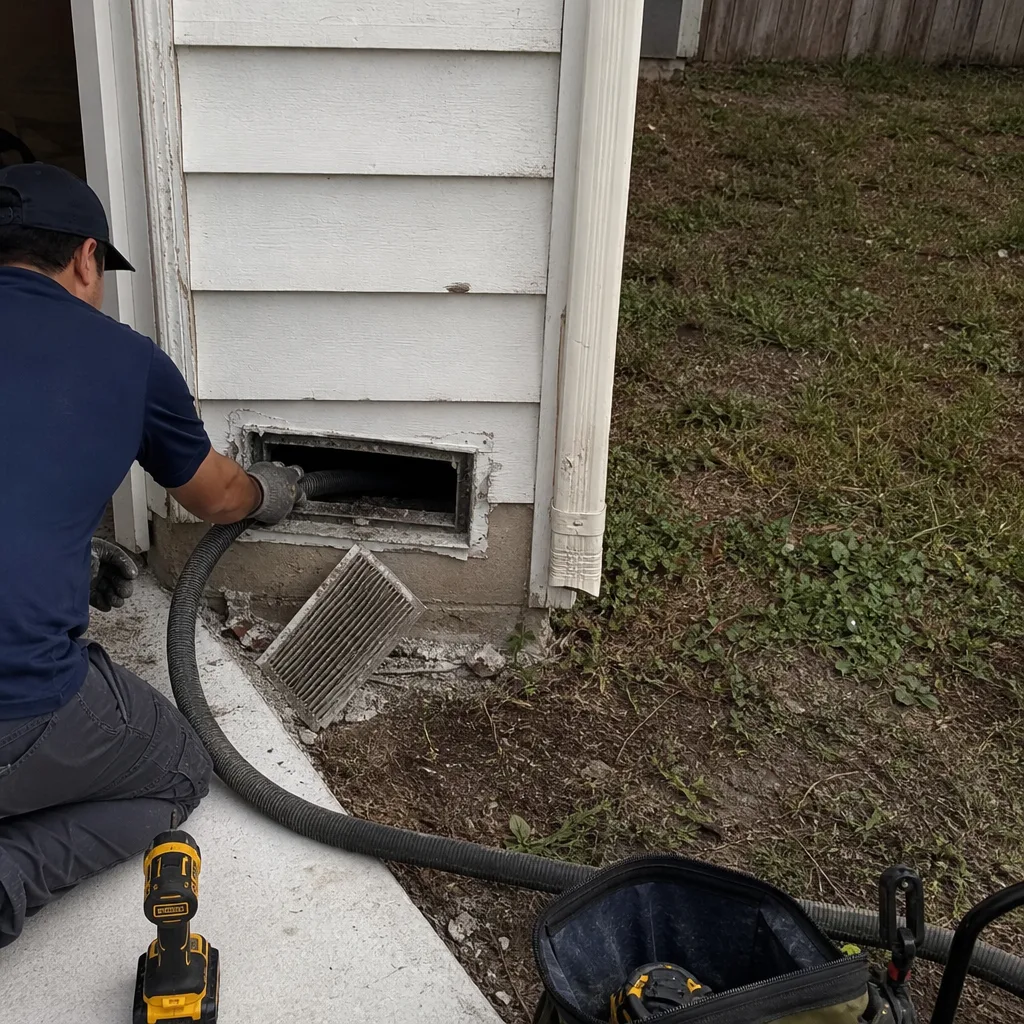 Before
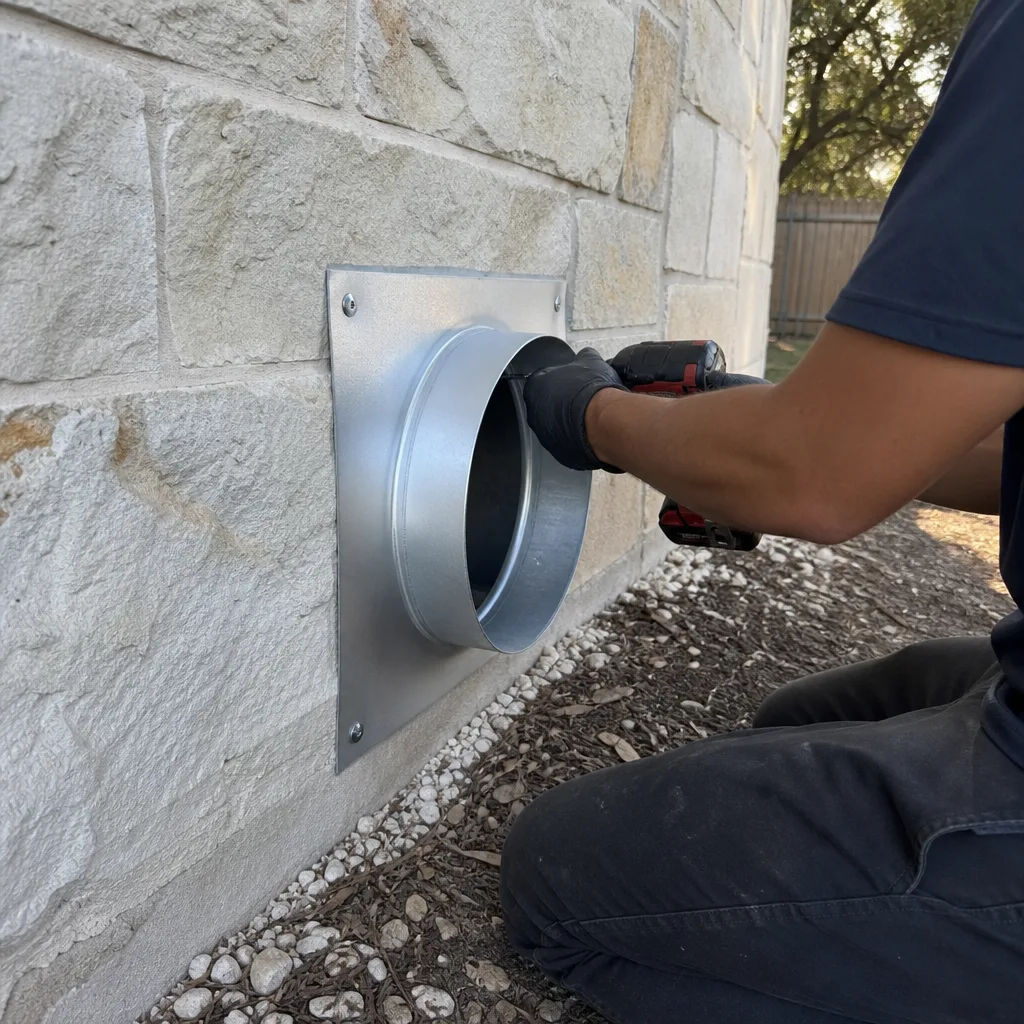 After
After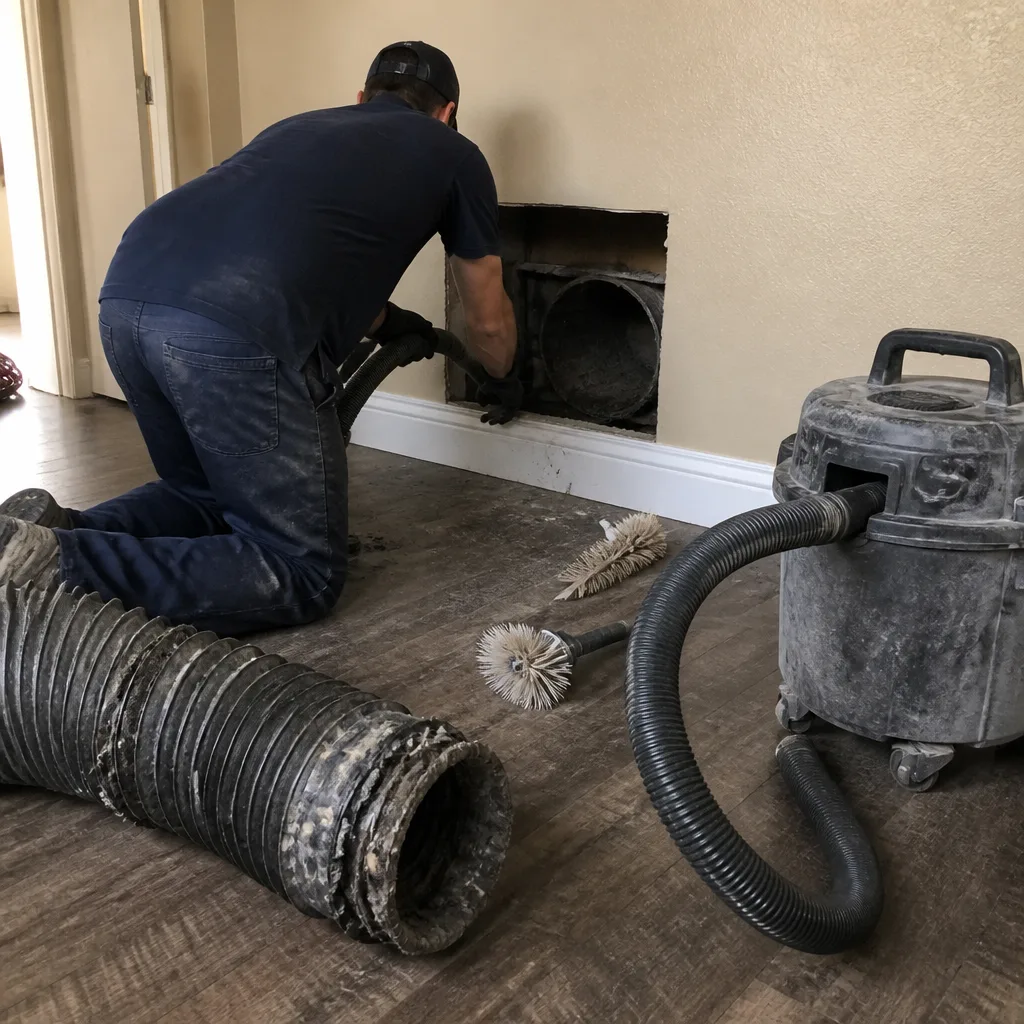 Before
 After
After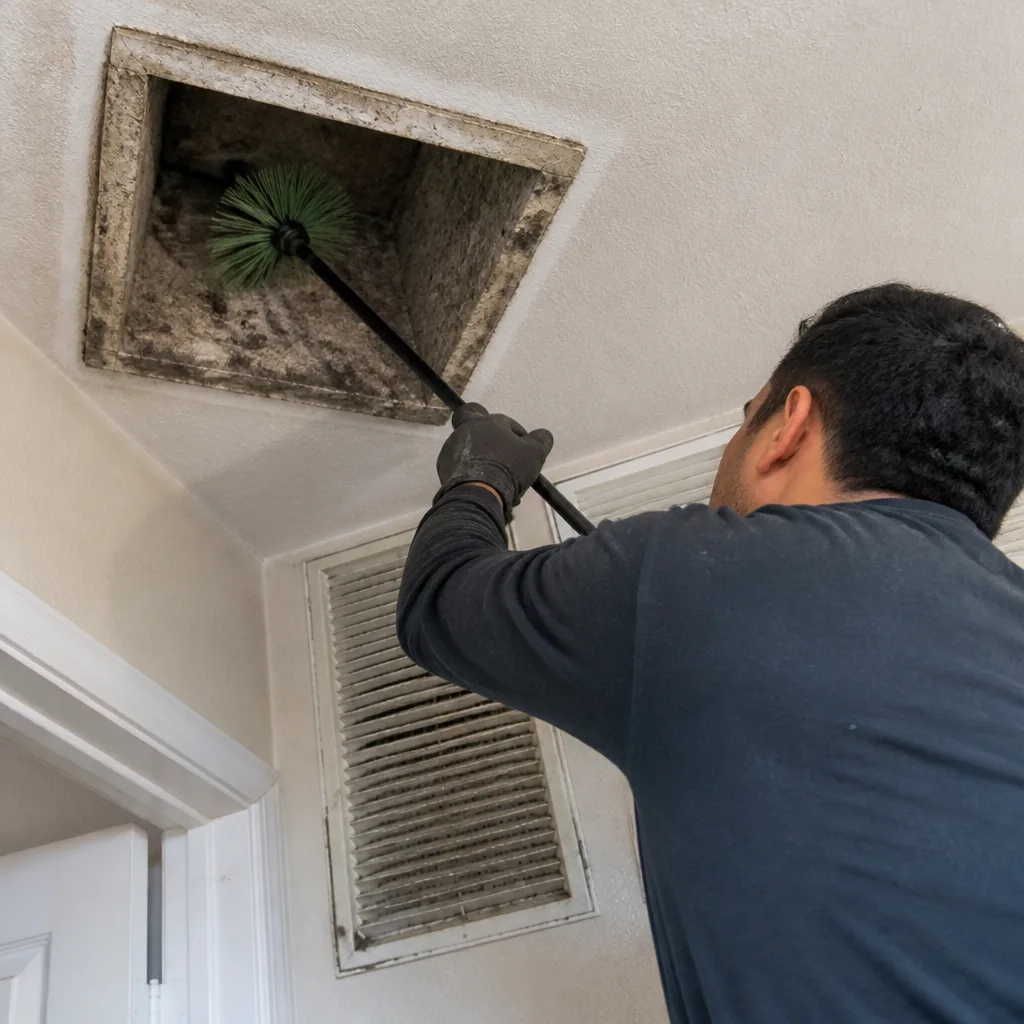 Before
 After
After