
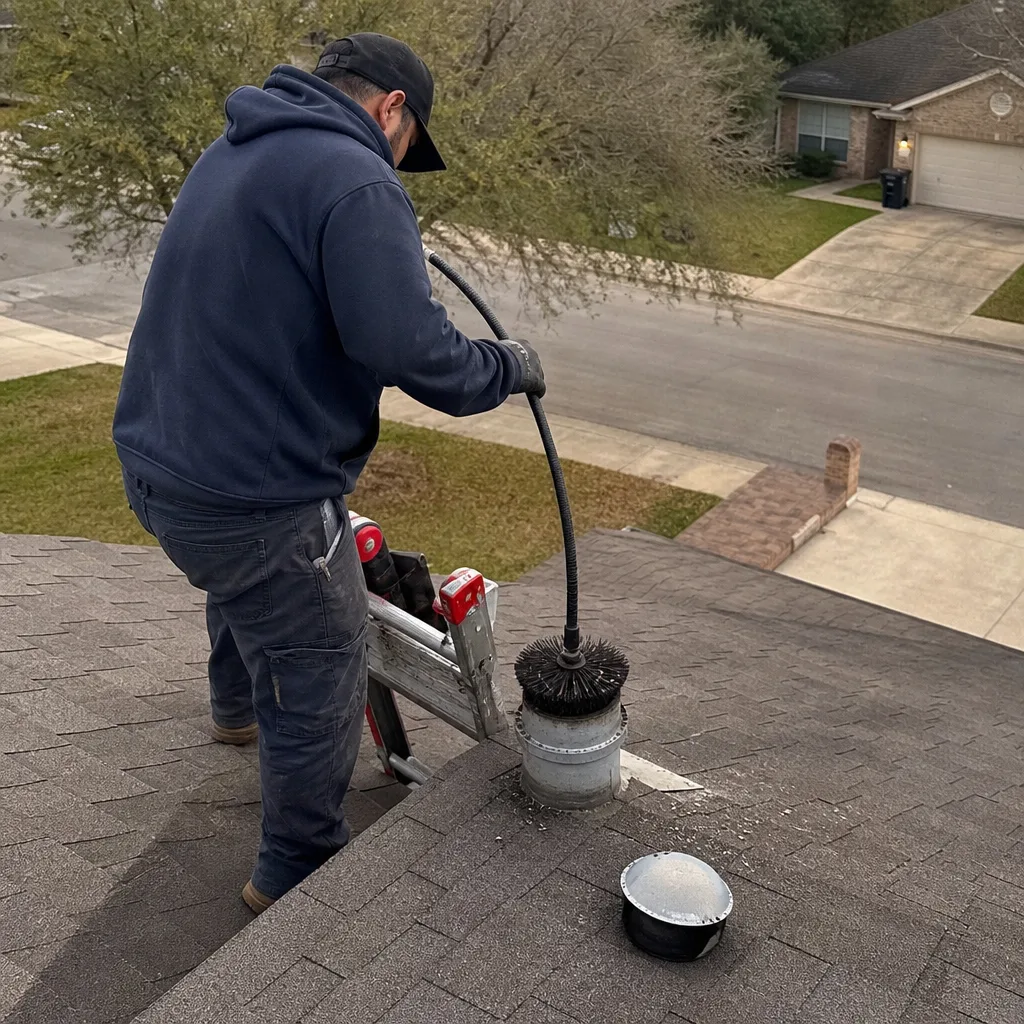
Last updated October 15, 2026
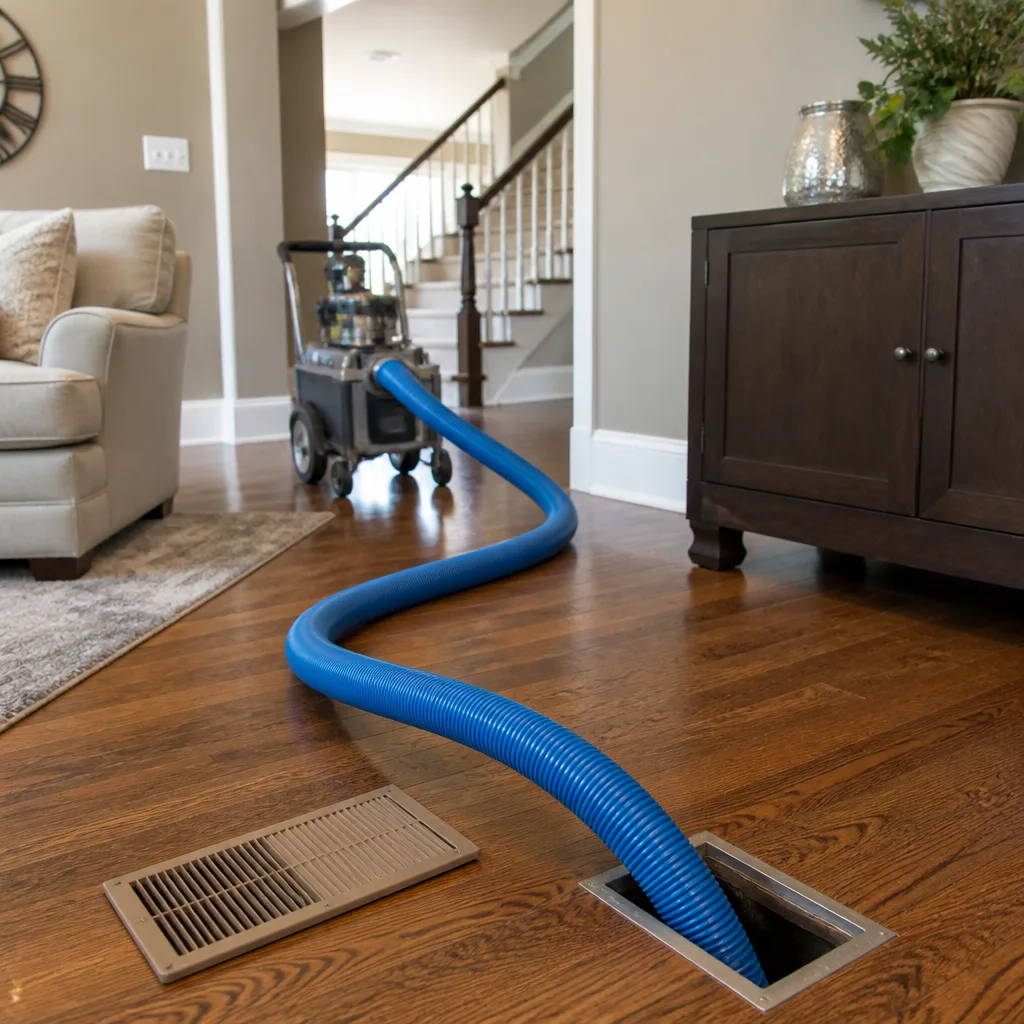 Whole-home duct cleaning
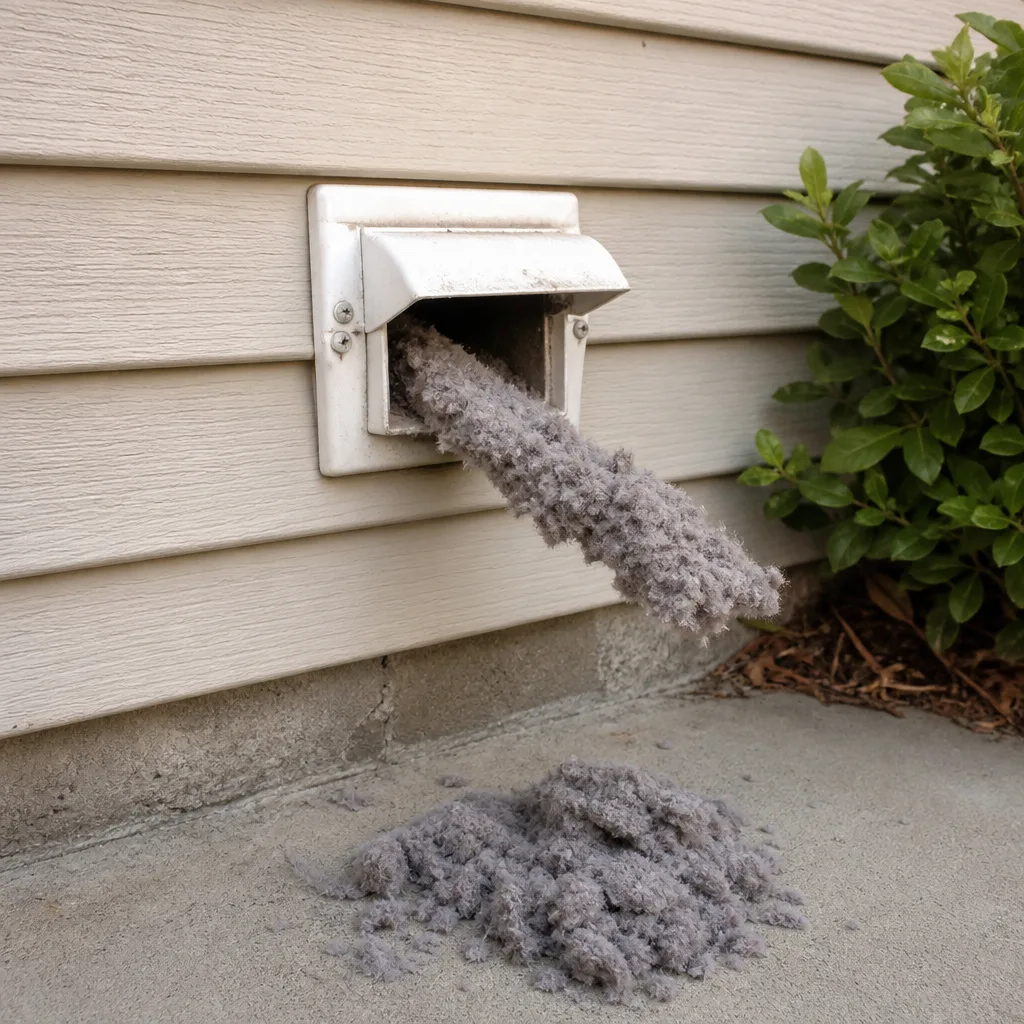 Dryer vent cleaning
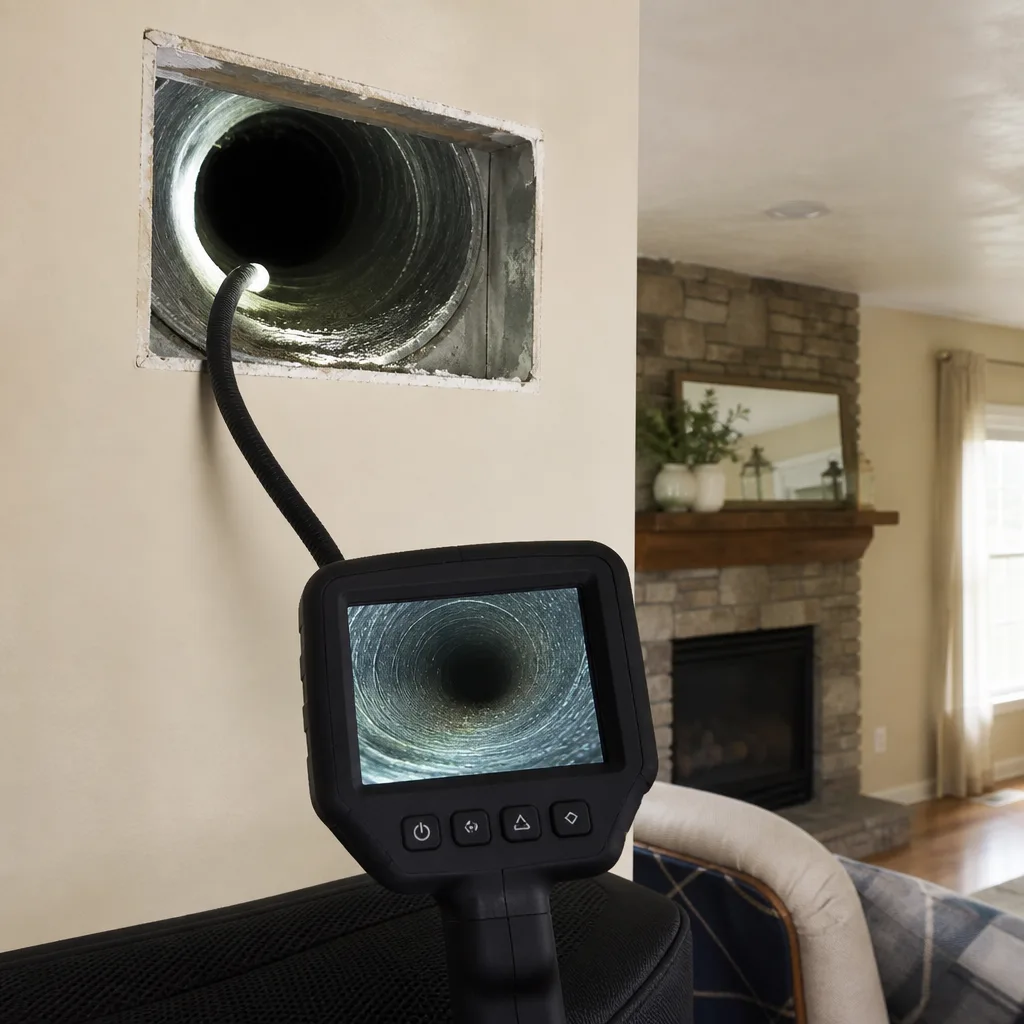 Camera inspection
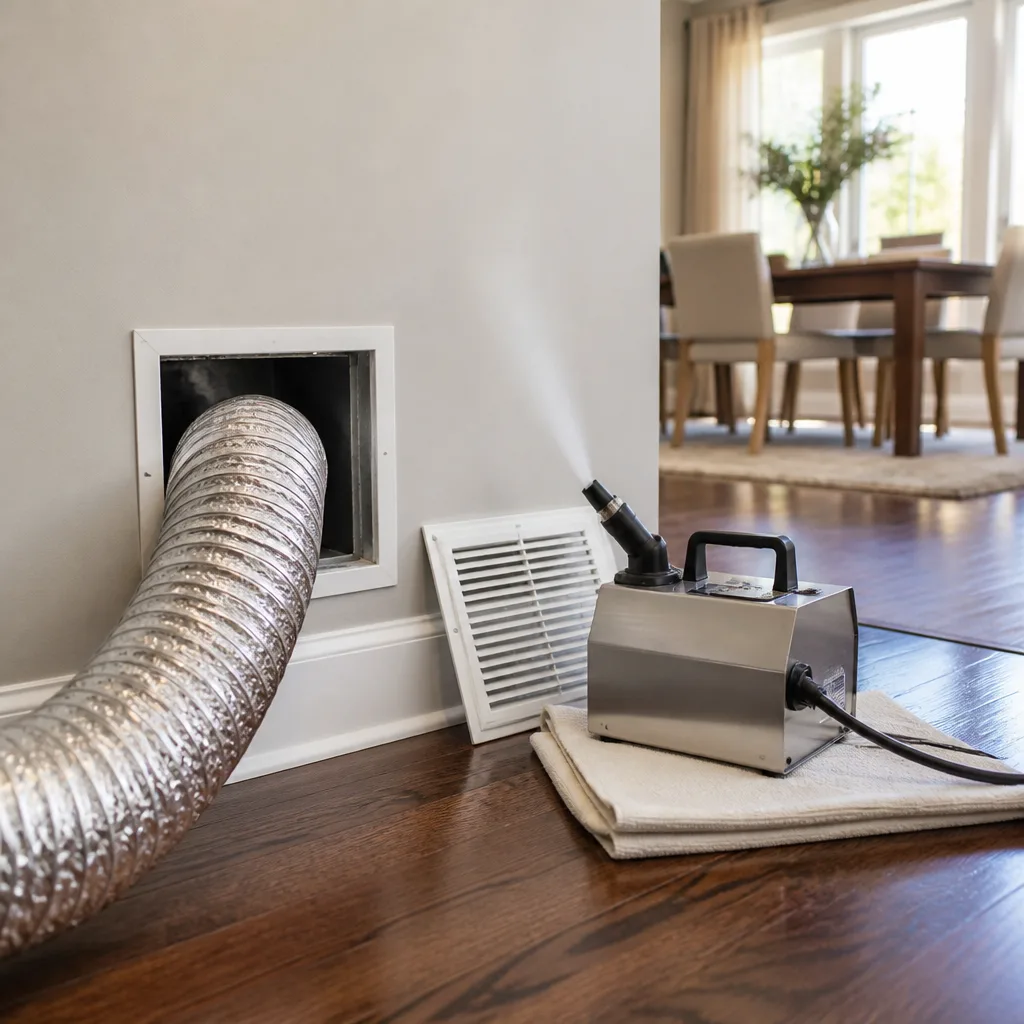 Sanitizing & deodorizing
Whole-system duct and dryer vent check with before-and-after photos - you see exactly what came out of your vents
That "$99 whole-house special" is a bait ad - the real number appears once they are in your hallway, or the "clean" is a shop-vac at the register. We photograph the inside of your ducts before and after instead.
The Complete Guide to Air Duct Cleaning in San Antonio
San Antonio sits squarely inside one of the worst allergy corridors in the United States. The Asthma and Allergy Foundation of America has repeatedly placed San Antonio in its top 10 worst cities for seasonal allergies, and the culprit isn’t just the mountain cedar that blows in from the Hill Country every winter. It’s what happens after that pollen, mixed with caliche dust and Gulf humidity, settles inside your home’s ductwork and gets recirculated through every room for months afterward. Most DIY vs Professional Air Duct Cleaning: The San Antonio Homeowner’s Decision Guide advice circulating online was written for a generic American home that doesn’t experience a cedar fever season capable of coating return vents in visible yellow film within 72 hours. This guide is different. We’re going to walk through what actually accumulates in San Antonio ducts, what a legitimate cleaning involves, what it should cost, and how to verify the work was done right before the technician walks out your door.
Quick Answer
Air duct cleaning in San Antonio typically costs between $350 and $700 for a full system cleaning of an average 2,000-square-foot home, and most legitimate jobs take three to five hours with two technicians. The process should involve negative-pressure extraction with source removal, not just blowing compressed air through the vents. In San Antonio’s climate, with cedar pollen, caliche dust, and humidity-driven mold risk, most homes need cleaning every three to five years, though homes with pets, recent renovations, or severe allergy sufferers may warrant more frequent service.
Styles & brands we work with
Table of Contents
- Why San Antonio Ducts Get Dirtier Than Most
- What a Legitimate Full-Service Cleaning Actually Involves
- Source-Removal vs. Blow-and-Go: What Each Leaves Behind
- Older San Antonio Homes: Ductwork Risks You Should Know About
- How Much Does Air Duct Cleaning Cost in San Antonio?
- How Often Should You Clean Your Ducts in San Antonio?
- How to Verify the Job Was Done Correctly Before the Technician Leaves
- Common Mistakes to Avoid
- When to Call a Professional
- Frequently Asked Questions
Why San Antonio Ducts Get Dirtier Than Most
San Antonio’s duct contamination problem isn’t like other cities’. The soil here is loaded with caliche, a hard, calcium-carbonate-rich layer that breaks down into an extremely fine dust. That dust rides in on shoes, pet paws, and open windows, and it’s light enough to stay suspended in the air long enough to get pulled into your return vents. Once inside the ductwork, it doesn’t just sit there. The humidity that rolls in from the Gulf keeps that dust slightly sticky, so it adheres to duct walls instead of blowing through to the filter, where it would be caught.
Then comes cedar season. Mountain cedar, which is actually a juniper species, releases pollen from December through February, and the Hill Country produces some of the highest concentrations in the nation. That fine yellow-green powder gets pulled into HVAC systems, coats return grilles, and works its way into the return duct runs. We’ve seen San Antonio homes where the return vent faces have to be wiped down weekly during peak cedar season just to prevent visible accumulation.
The third ingredient is humidity-driven microbial growth. San Antonio’s average relative humidity stays between 60 and 75 percent for much of the year. That’s enough moisture for dust that has accumulated in the return side of the system to become a substrate for mold and mildew, especially in homes where the AC runs constantly and condensation forms on the evaporator coil and nearby duct surfaces. A duct cleaning schedule built for Phoenix or Minneapolis doesn’t account for this triple threat. Minneapolis homes contend with static-season dust. Phoenix homes deal with dry, powdery dust that mostly gets caught by filters. San Antonio homes deal with sticky, pollen-laden, humidity-activated grime that accumulates on the return side of the system faster than most homeowners realize.
What a Legitimate Full-Service Cleaning Actually Involves
A proper our Air Duct Cleaning services is not a once-over with a shop vacuum. It’s a systematic process that removes contaminants from the entire HVAC air path. Here’s the step-by-step process a legitimate crew follows, and we’re laying it out so you can spot when a company is cutting corners.
- System inspection and pre-cleaning photos. The technician should open the air handler access panel, inspect the blower motor, evaporator coil, and return plenum, and document the condition with photos before any cleaning begins. You should be able to see these photos.
- Protection of the work area. Drop cloths go down around the registers. Furniture near vents gets covered. The goal is that when the job is done, the only thing that’s changed is what’s inside the ducts.
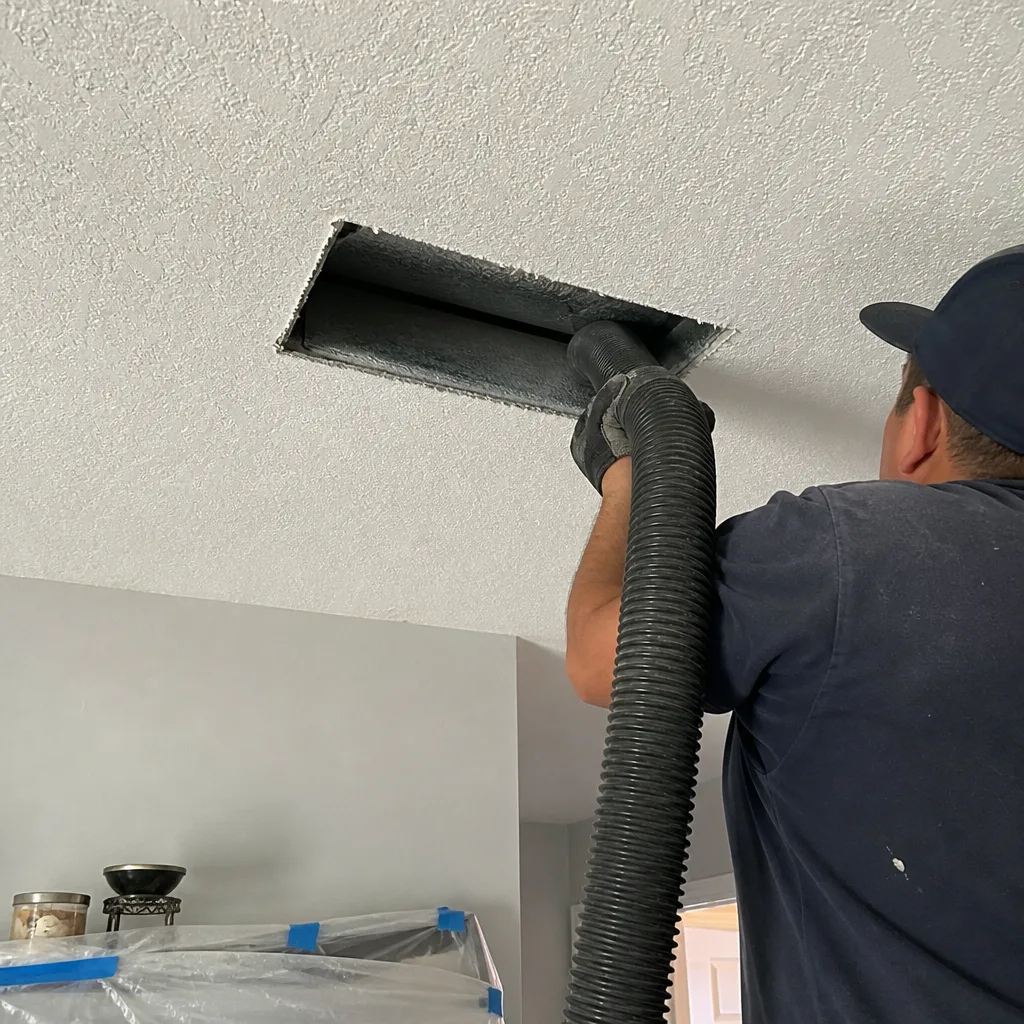
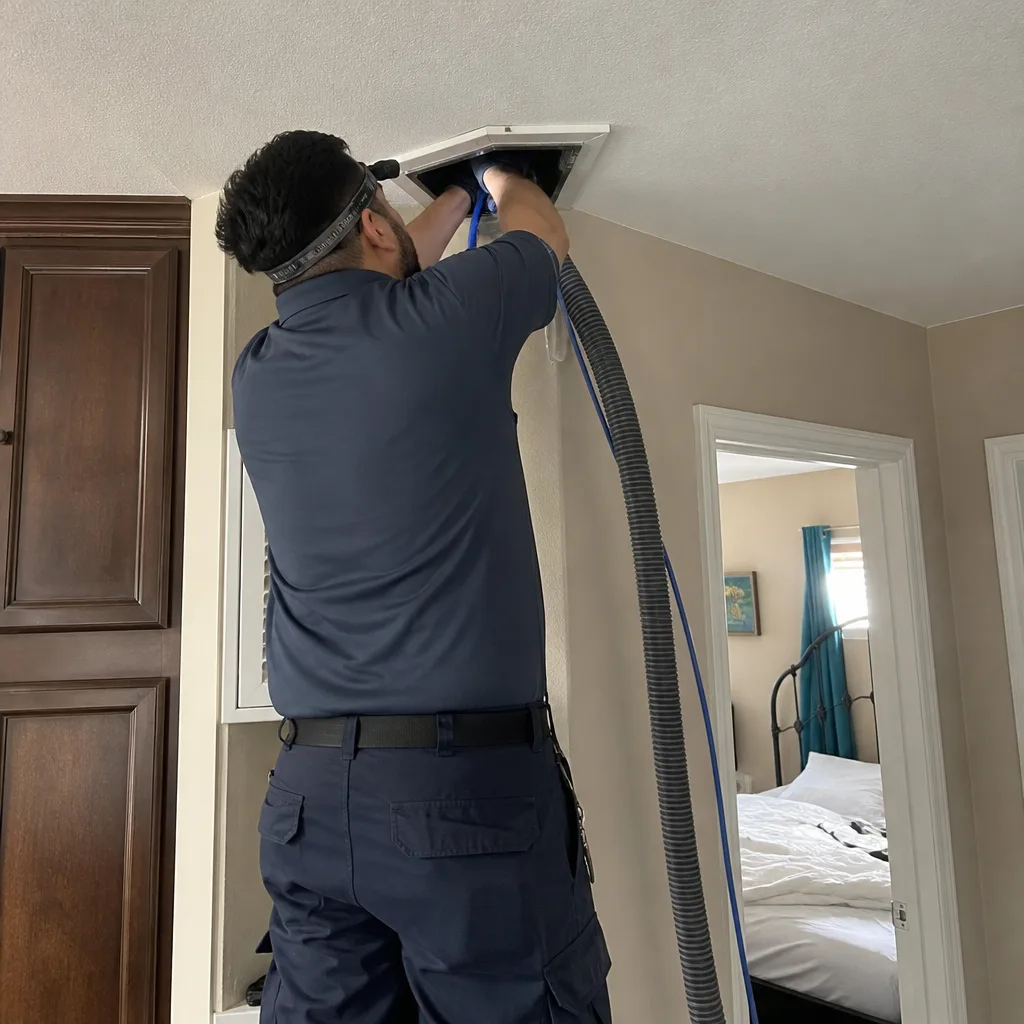
- Negative-pressure setup. A HEPA-filtered vacuum collection unit is connected to the duct system, typically at the return side or the plenum, to put the entire system under negative pressure. This is what prevents dust that gets dislodged during cleaning from being pushed out into your living space.
- Agitation and source removal. Technicians use rotating brushes, compressed air whips, or a combination of both to dislodge debris from the inside walls of the duct runs. As debris loosens, the negative pressure pulls it back to the collection unit. This is the source-removal principle: you’re not just moving the dirt around, you’re extracting it from the system.
- Register and grille cleaning. Every supply register and return grille should be removed, cleaned on both sides, and reinstalled. The register boots, the metal or plastic boxes behind the grilles, also get brushed out.
- Evaporator coil and blower cleaning. If the coil is dirty, it needs to be cleaned with a coil-cleaning product and then rinsed. A dirty coil doesn’t just affect air quality, it reduces system efficiency and can shorten the life of the compressor. This should be part of the quoted price, not an add-on surprise.
- Post-cleaning verification. When the cleaning is done, the technician should show you the before and after photos of the duct interior, verify airflow at each register, and walk you through what was done. You should feel confident that you could point to any register in the house and know it was addressed.
A legitimate full cleaning on a 2,000-square-foot San Antonio home takes three to five hours when two technicians are working. If someone quotes you an hour and a half for a full system, they are not doing the job described above.
Source-Removal vs. Blow-and-Go: What Each Leaves Behind
There are two fundamentally different approaches to duct cleaning in San Antonio, and the difference matters in what you’re actually paying for. Source removal, which is what we’ve just described, extracts contaminants from the system entirely. It requires a HEPA-filtered vacuum collection unit, proper sealing, and agitation tools. The dirt ends up in a collection canister or bag, not in your house.
The “blow-and-go” approach is what you’ll see advertised at suspiciously low prices. A technician shows up with a portable air compressor and a small vacuum, then walks through the house blowing compressed air through each register while a vacuum sits at one or two vents. The problems with this method are what it leaves behind. The air compressor dislodges debris from the supply side, but that debris travels through the system and a large portion of it ends up settling back into the return side or blowing out into the living space through open registers. This is why homeowners sometimes report that their house was dustier after a cheap cleaning than before.
The air compressor method can also create a false sense of completion. When the technician blows out each register, debris flies out of that specific vent, so it looks like something is happening. But without negative pressure pulling that debris into a collection source, you’re mostly just redistributing it. In practical terms, if a company quotes you under $200 for a whole-house duct cleaning in San Antonio, you are almost certainly looking at a blow-and-go operation. A proper source-removal cleaning involves equipment that costs five figures, two technicians, and several hours of labor. The math doesn’t work at $149.
When you call around for quotes, ask one direct question: “Do you use a HEPA-filtered negative air machine connected to the system during cleaning?” If the person on the phone hesitates, doesn’t know what that means, or says they “do it differently,” that’s your signal to keep looking.
Older San Antonio Homes: Ductwork Risks You Should Know About
San Antonio’s housing stock skews older than most Texas metros. Neighborhoods like Alamo Heights, Monte Vista, Jefferson, and the near East Side are full of homes built between the 1940s and 1990s, and many of those homes either still have their original ductwork or have had patchwork replacements over the decades. That age brings specific considerations that a generic duct cleaning crew may not flag, and some of them actually affect how the cleaning should be approached.
The most serious concern is asbestos. Flex duct installed from the 1960s through the early 1990s was sometimes wrapped in asbestos-containing insulation, particularly on the outer jacket of the duct. When that material is intact, it’s not actively dangerous. But aggressive brushing or agitation on an old flex duct system can damage the outer wrapping, releasing fibers into the air stream or into the attic. If your home was built before 1990 and has what appear to be original insulated flex ducts, a responsible contractor should flag the possibility of asbestos before aggressive cleaning. If there’s any doubt at all, the right move is to have a sample tested before cleaning proceeds.
There’s a second, less dramatic but more common issue. Older rigid metal ducts in San Antonio homes often have failing tape seals at the joints. Decades of attic heat, which in a San Antonio summer can exceed 140 degrees, causes adhesive-backed tape to dry out and peel. When a cleaning crew connects a vacuum system to ducts with compromised seals, those existing leaks can become worse because the negative pressure puts stress on already weakened joints. A good technician will note seal condition during the pre-cleaning inspection and advise you whether the sealing should be addressed as part of the cleaning or scheduled separately. That’s one place where air duct repair in San Antonio and cleaning overlap, because a cleaned system with a dozen leaks is going to pull attic air, insulation particles, and dust right back into the ducts within a month.
Newer homes, especially those built after 2010 in areas like Alamo Ranch, Cibolo, or Helotes, generally have properly sealed flex duct systems with no asbestos risk. The cleaning process there is more straightforward, though the flex duct material itself is more delicate, which is another reason technician training and the right agitation tools matter.
How Much Does Air Duct Cleaning Cost in San Antonio?
Air duct cleaning in San Antonio typically costs between $350 and $700 for a standard single-family home with one HVAC system. The range is wide because several factors move the price, and a legitimate quote should be based on the specifics of your home, not a flat rate for any house in any condition. Here’s what drives pricing in the San Antonio market.
Cost factors that legitimately change the price:
- Number of HVAC systems. A two-story San Antonio home with separate systems for each floor will cost more than a single-system ranch house simply because there are two air handlers, two coils, and twice the ductwork.
- Total register count. Most San Antonio homes have between 8 and 15 supply registers and 2 to 3 returns. Homes on the higher end of that range take longer and cost more.
- Accessibility. Attic-mounted systems in older San Antonio homes with steep roof pitches or tight access hatches slow the job down. Same for air handlers tucked into closets in older homes in Jefferson or Monticello Park.
- Condition of the system. A system that hasn’t been cleaned in 15 years, with a heavily fouled evaporator coil and visible debris in the returns, will take more time and may require coil cleaning products and extra extraction cycles.
- Whether the evaporator coil is accessible. If the coil is installed in a configuration that makes direct access difficult, that adds labor. If the coil is already clean, that saves time, though most coils in San Antonio homes that haven’t been serviced recently are not in good shape because humidity contributes to buildup.
| Home Size / Scope | Typical Price Range in San Antonio |
|---|---|
| Apartment or condo, up to 1,000 sq ft, one system | $250 – $350 |
| Single-family home, 1,500 – 2,500 sq ft, one system | $350 – $550 |
| Larger home, 2,500+ sq ft, or two systems | $500 – $800+ |
| Add-on: evaporator coil cleaning | $75 – $200 (often included, always confirm) |
| Add-on: dryer vent cleaning | $75 – $125 |
What you should not do is accept a quote over the phone that assumes facts the company hasn’t verified. A legitimate San Antonio duct cleaner will ask about the square footage, number of systems, register count, and general home age before giving you a firm price, and the price should be put in writing before any work begins. At Linden Air Duct San Antonio, that written price is standard practice, not a courtesy. You know the number before we touch a register, and that number doesn’t change when the job is done.
How Often Should You Clean Your Ducts in San Antonio?
The honest answer for San Antonio is every three to five years for most homes. That’s more frequent than national guidelines suggest, because the EPA and industry organizations are writing guidance for the whole country, and the whole country does not deal with our specific contamination pattern. Here’s what actually dictates frequency in our market.
Homes that should lean toward every three years:
- Households with one or more residents who have documented cedar allergies, asthma, or other respiratory conditions
- Homes with multiple indoor pets, especially long-haired dogs and cats that shed heavily
- Homes where windows are regularly opened during the fall and spring shoulder seasons
- Homes in areas with active new construction nearby, which is a huge portion of San Antonio’s growth corridors including the far west and far north sides
- Homes that have recently undergone any renovation, especially drywall work or flooring removal
Homes that might go five years or slightly longer:
- Single occupant or two-adult homes without pets
- Homes with high-quality media filters installed, MERV 11 or higher, changed on schedule
- Homes where windows stay closed most of the year and the AC runs on recirculate
- Homes with no carpet, since hard surface flooring reduces the dust load that reaches the return vents
There’s also a visual check you can do yourself. Turn off the system, remove one of the return grilles (they typically just pull off), and look inside the return duct run with a phone’s flashlight. If you can see a visible layer of dust, debris, or that characteristic yellowish-gray coating from cedar pollen, the system is due. If the return side looks clean but your registers are dusty, the contamination may be on the supply side, which is harder to see without a camera, and a professional inspection is the next step. For more detail on what a proper cleaning involves, see our page on air duct cleaning in San Antonio.
How to Verify the Job Was Done Correctly Before the Technician Leaves
Most homeowners never think to verify their duct cleaning, which is exactly why so many mediocre jobs go undetected. If you don’t inspect before the crew packs up, you lose your window to ask for anything to be addressed. Here’s what to check before the technician walks out your door, and these are checks specific enough that most crews will assume you know what you’re looking at.
1. Ask to see the before-and-after photos of the duct interior
The technician should have taken photos during the initial inspection. After cleaning, they should be able to show you images of the same duct runs, now visibly cleaner. If a company can’t or won’t show you before and after images, that’s not a documentation gap, it’s a red flag. We show these to every homeowner as a standard part of the job, not as a special request.
2. Remove two or three registers and look inside the duct
Pick a supply register in a bedroom far from where the vacuum was connected, plus one return. Use your phone’s flashlight to look inside as far as you can see. The duct walls should look clean, not coated with a fine dust layer. You should not be able to wipe your finger inside the duct and come away with a gray or yellow film.
3. Check the register boots
The boot is the metal or plastic transition piece directly behind each register. This is a spot that lazy cleaners skip because it requires removing each register and brushing it out by hand. Pull the register off and look inside the boot. If you see dust accumulated around the edges, the crew either skipped that register or wasn’t thorough.
4. Look at the evaporator coil
This is the single most consequential component for both air quality and system efficiency. If coil cleaning was part of the quoted scope, the coil should look visibly clean, with no gray buildup between the fins. A dirty coil in a humid San Antonio climate is also more prone to microbial growth, which then gets distributed through the supply ducts. If you don’t know where your coil is, ask the technician to show it to you. They should be glad to.
5. Confirm the return plenum was cleaned
The return plenum is the box that sits below or beside your air handler where the return ducts come together. In most San Antonio homes, this is where the worst accumulation occurs, because it’s upstream of the filter and everything from the return ducts collects there. If the plenum wasn’t explicitly cleaned, the job is incomplete.
At Linden Air Duct San Antonio, we walk you through all of these checks before we pack up. That’s what the 365-Day Done Right Promise is built on: if you find a problem we missed within a year, we come back and make it right, in writing on every job. Not a promise to “make you happy.” A written commitment with a specific, named timeline.
Common Mistakes to Avoid
- Choosing a company on price alone. The difference between a $149 blow-and-go and a $450 source-removal cleaning is not just quality, it’s whether the job happens at all. If the price is too low for the labor and equipment involved, you are funding an incomplete service.
- Not asking who is coming to your door. This is the one decision that separates worried homeowners from confident ones. You should receive the technician’s name and photo before the visit, and that person should show a photo ID badge at the door. If a company won’t tell you who they’re sending, you have the wrong company. Every technician we send is background-checked, identity-verified, and introduced to you before arrival under the Threshold Standard.
- Accepting a verbal price. In San Antonio’s duct cleaning market, verbal estimates are the leading cause of surprise invoices. The price should be in writing before any work begins, and the final price should match the written quote exactly.
- Skipping the coil. A duct cleaning that doesn’t address the evaporator coil is like washing the car but leaving the engine covered in sludge. In humid San Antonio, the coil is where microbial growth starts, and skipping it leaves the source of the problem in place.
- Believing that high price guarantees quality. Some companies charge premium rates while running the same minimal process. Price is not the signal. The signal is the written process: negative-pressure extraction, pre and post photos, coil included in scope, and written guarantee. Ask for the process, not the pitch.
- Waiting until cedar season is in full swing. The best time to clean ducts in San Antonio is late fall, before mountain cedar pollen peaks. If you wait until January when the yellow film is visible, you’ve been breathing recirculated pollen for weeks. Schedule before you need it, not after you notice it.
- Using the cheapest filter you can find. A flat fiberglass filter, the kind that costs a dollar and catches only large particles, does almost nothing for the fine caliche dust and pollen that plague San Antonio homes. A MERV 8 or better pleated filter, changed every 90 days, is the minimum. If your duct cleaner tells you filter choice doesn’t matter, they’re not paying attention to how San Antonio air actually behaves.
When to Call a Professional
You should call a professional when you see visible dust accumulation on your register faces within weeks of cleaning, when you notice a persistent musty smell coming from the vents, when allergy symptoms worsen indoors compared to outdoors, or when you’ve just completed a renovation that generated drywall or flooring dust. You should also call if your home is new to you and you don’t know the cleaning history. A system that hasn’t been cleaned in a decade, which we see regularly in older San Antonio homes, needs a full assessment before it can be properly cleaned. If you’re not sure whether your ducts need service, Linden Air Duct San Antonio offers free estimates throughout San Antonio, including free visual inspections to determine whether cleaning is actually warranted. Call (430) 233-7681, and a live person answers, any hour of any day. No voicemail loops.
Frequently Asked Questions
Air duct cleaning in San Antonio typically costs $350 to $700 for a complete source-removal cleaning of a single-family home with one HVAC system. Apartments and smaller homes run $250 to $350, while larger homes or those with two systems run $500 to $800 or more. The final price depends on register count, system accessibility, coil condition, and whether additional services like dryer vent cleaning are included. Call (430) 233-7681 for an exact written quote, with no obligation and no price changes after the fact.
Cheap quotes, typically under $200, almost always reflect a blow-and-go process: compressed air blown through the vents with a small vacuum positioned at one or two registers. That method redistributes dust instead of removing it, skips the evaporator coil, and won’t extract the caliche dust and cedar pollen that accumulate in San Antonio return plenums. A source-removal cleaning with HEPA-filtered negative pressure costs more because it involves better equipment, two technicians, and three to five hours of labor. If the price doesn’t support the process, the process doesn’t happen.
Ask to see before-and-after photos of the duct interior, then verify them yourself by removing two or three registers and looking inside the duct runs with a flashlight. The walls should be visibly clean, and the register boots behind the grilles should have no dust accumulation. If the technician can’t show you photos, or if your own inspection finds residual buildup, the work wasn’t completed properly. With Linden, all of this is documented, the written guarantee covers the work for 365 days, and we come back if anything was missed.
Most San Antonio homes need duct cleaning every three to five years. The three-year mark applies to homes with allergy sufferers, pets, recent renovations, or windows regularly left open during pollen season. Homes without pets, with high-quality filters, and with no allergy concerns can often stretch to five years. The right interval depends on your specific contamination rate, which you can check yourself by looking inside a return duct run. Call (430) 233-7681 if you want a professional assessment, free of charge.
Duct cleaning is necessary when there is verifiable accumulation inside the ducts: visible dust, debris, pollen coating, or signs of microbial growth. It’s not necessary as a routine, always-do-it service for every home on every schedule. That caveat is exactly why you should choose a company that will show you the condition of your ducts before recommending cleaning. In San Antonio, with caliche dust, cedar pollen, and humidity, accumulation tends to be real and measurable within a few years, but you should still verify it rather than accept it on faith.
They’re separate systems. Air duct cleaning addresses the supply and return ductwork connected to your HVAC system, including registers, boots, plenums, and the evaporator coil. Dryer vent cleaning in San Antonio addresses the exhaust duct that runs from your clothes dryer to the outside, where lint accumulation creates a fire hazard and reduces dryer efficiency. Both should be on a San Antonio homeowner’s maintenance radar, but they are different jobs with different equipment, different benefits, and different price points.
The Bottom Line
San Antonio homes face a duct contamination pattern that’s genuinely different from most of the country, and the advice that circulates nationally doesn’t serve us well; see more guides & resources for local-specific help. Caliche dust, cedar pollen, and Gulf humidity combine to coat return grilles and duct interiors faster than in drier or colder climates, which means most San Antonio homes need cleaning every three to five years, and that cleaning should be done right. Right means source removal with negative-pressure extraction, not a compressed-air blow-and-go. It means a written price before work begins, a technician whose name and photo you receive before they arrive, and a specific written guarantee that covers the work afterward. That’s the standard we hold ourselves to at Linden Air Duct San Antonio: the Threshold Standard, with the 365-Day Done Right Promise on every job. If you want a free estimate, call (430) 233-7681. A real person answers the phone, every time, any hour.
Written by Marcus Veale, Owner at Linden Air Duct San Antonio, serving San Antonio since 2004.
See the difference
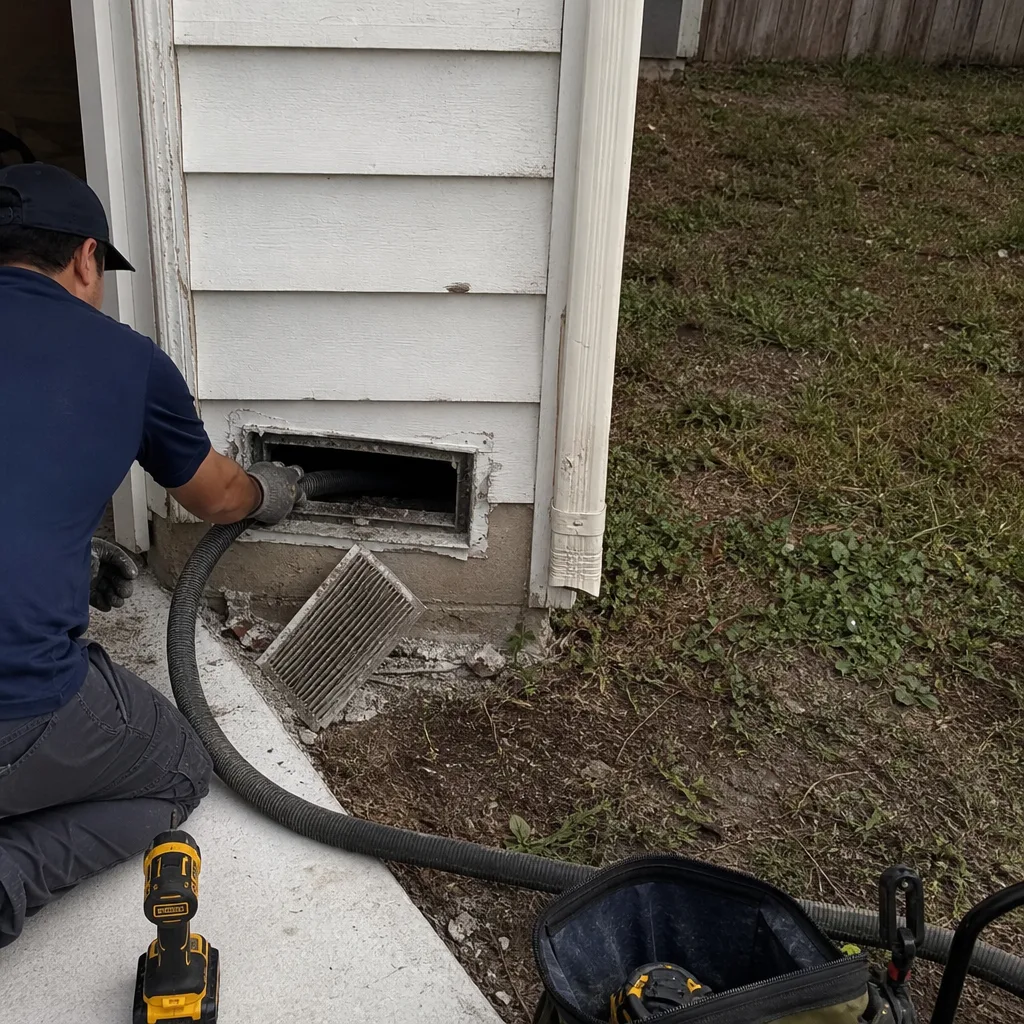 Before
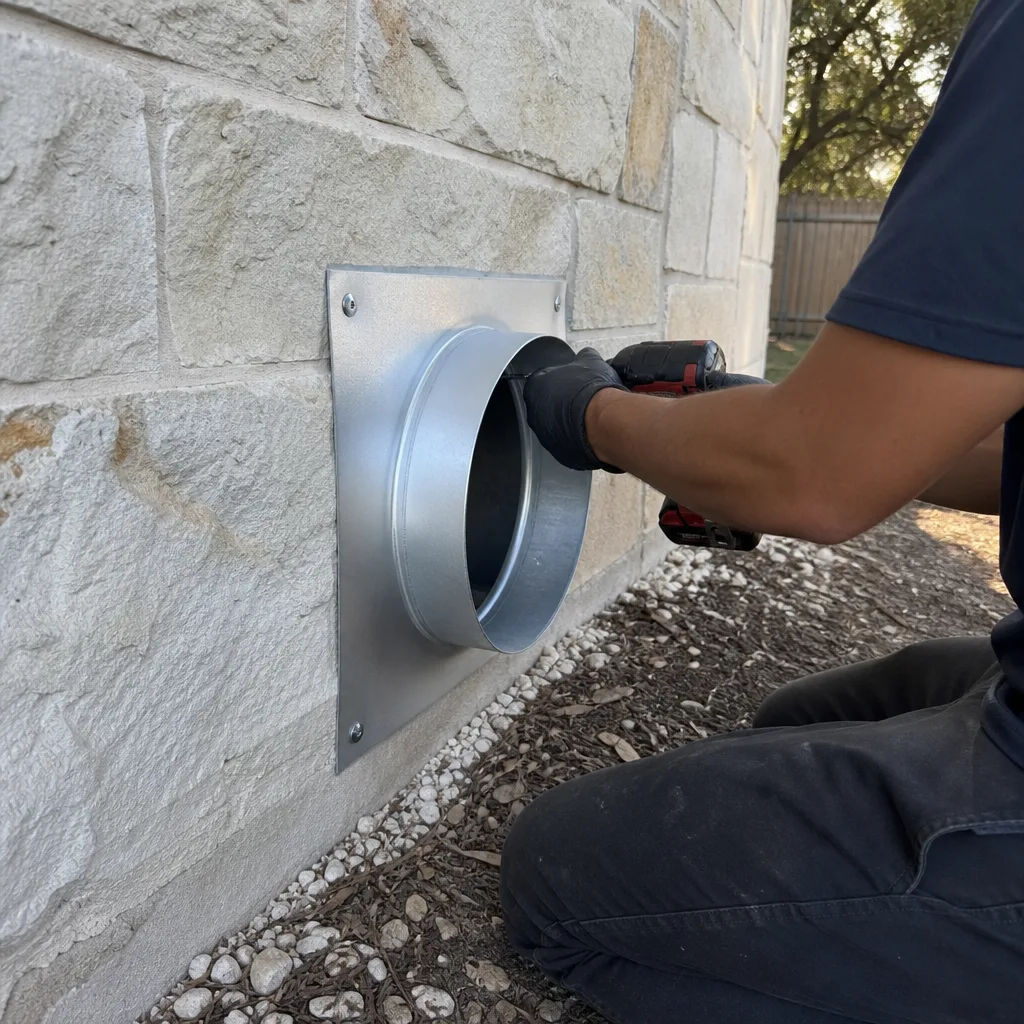 After
After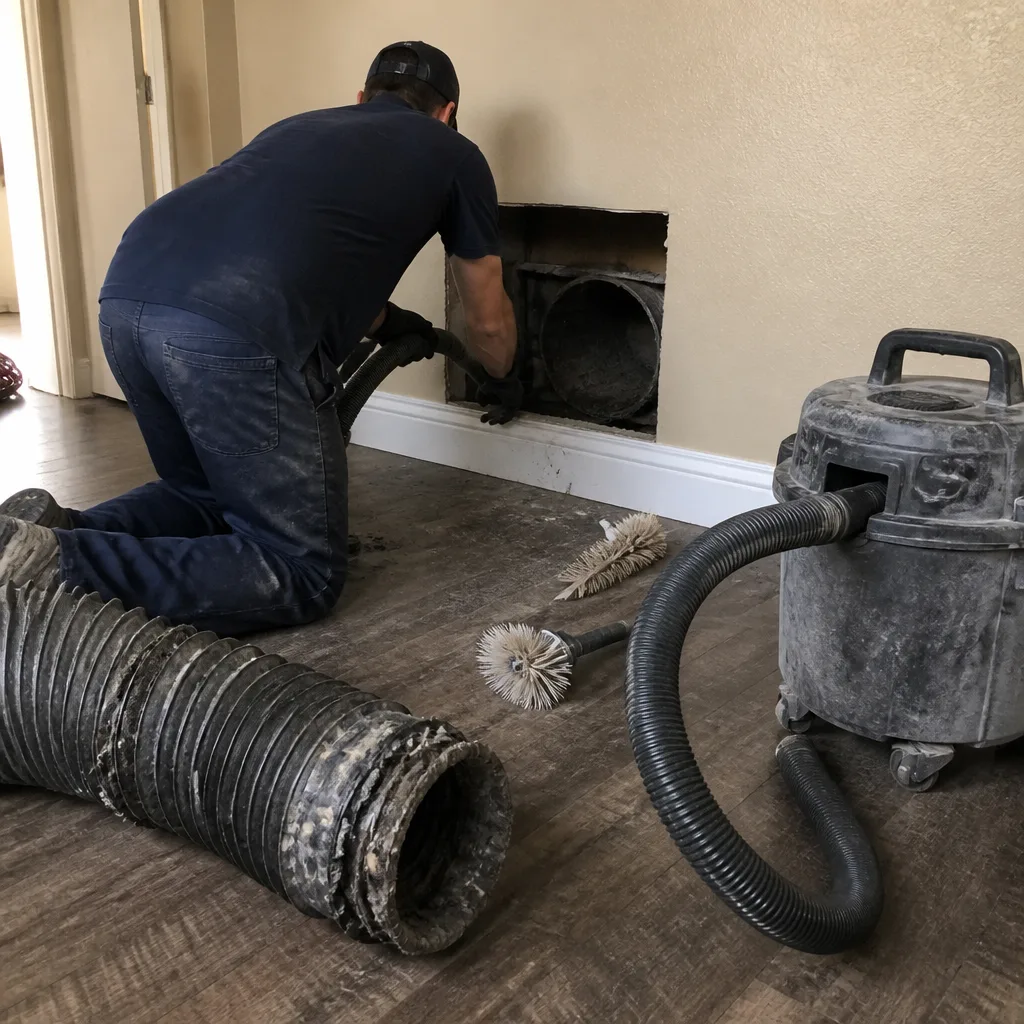 Before
 After
After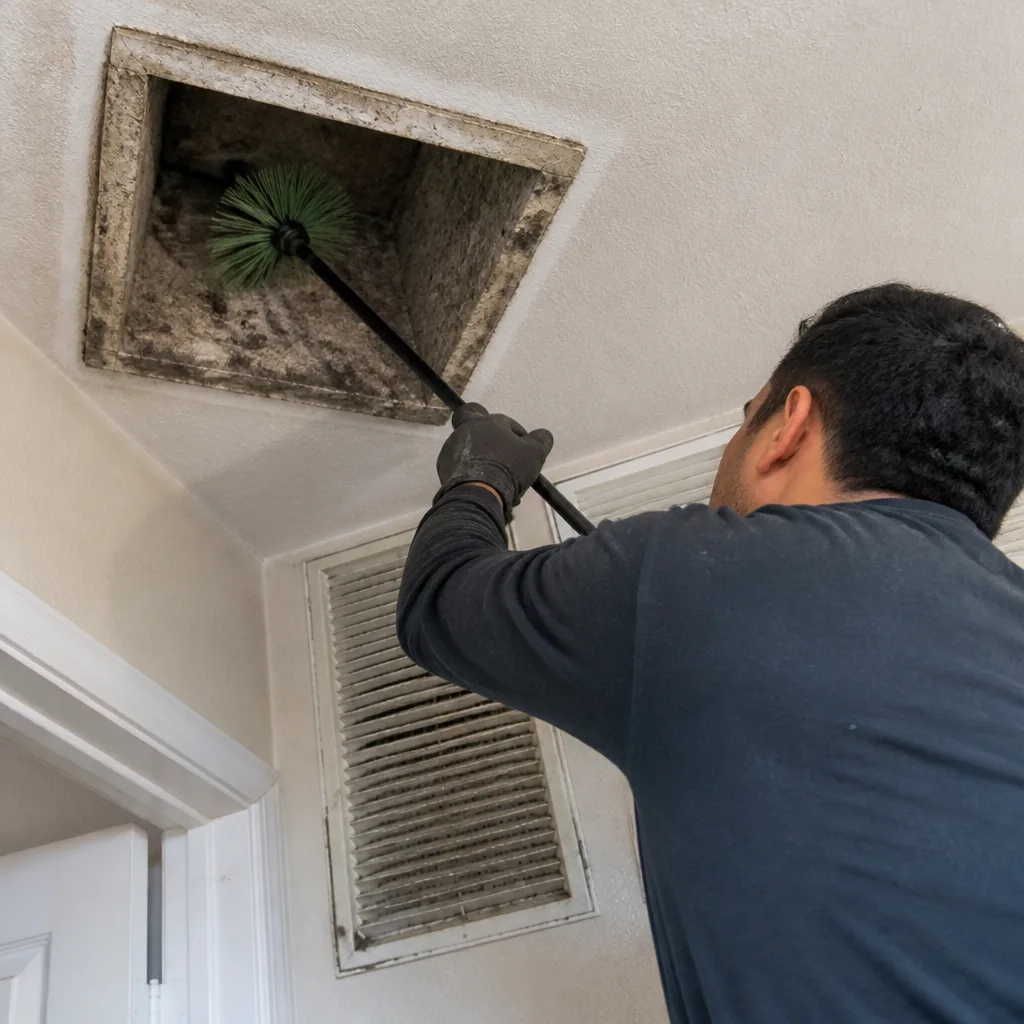 Before
 After
After