
Last updated October 15, 2026
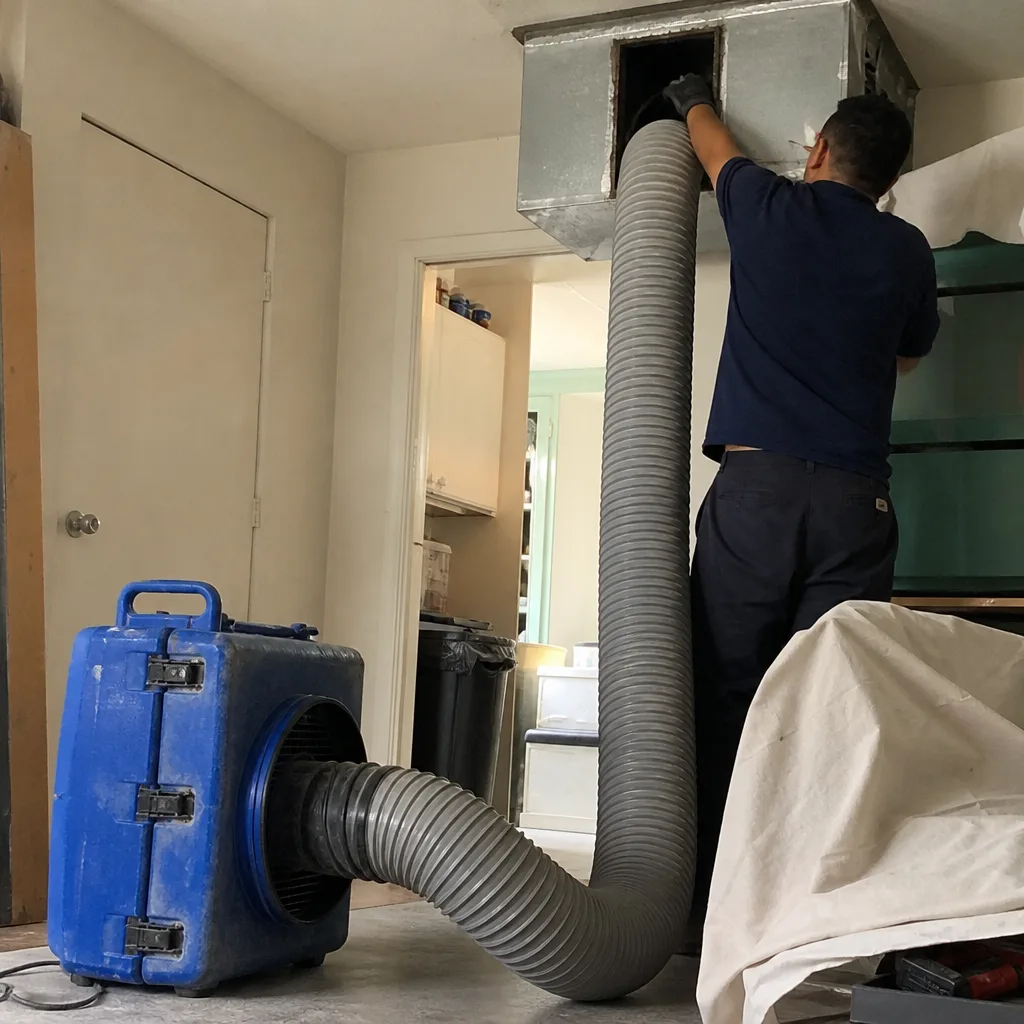
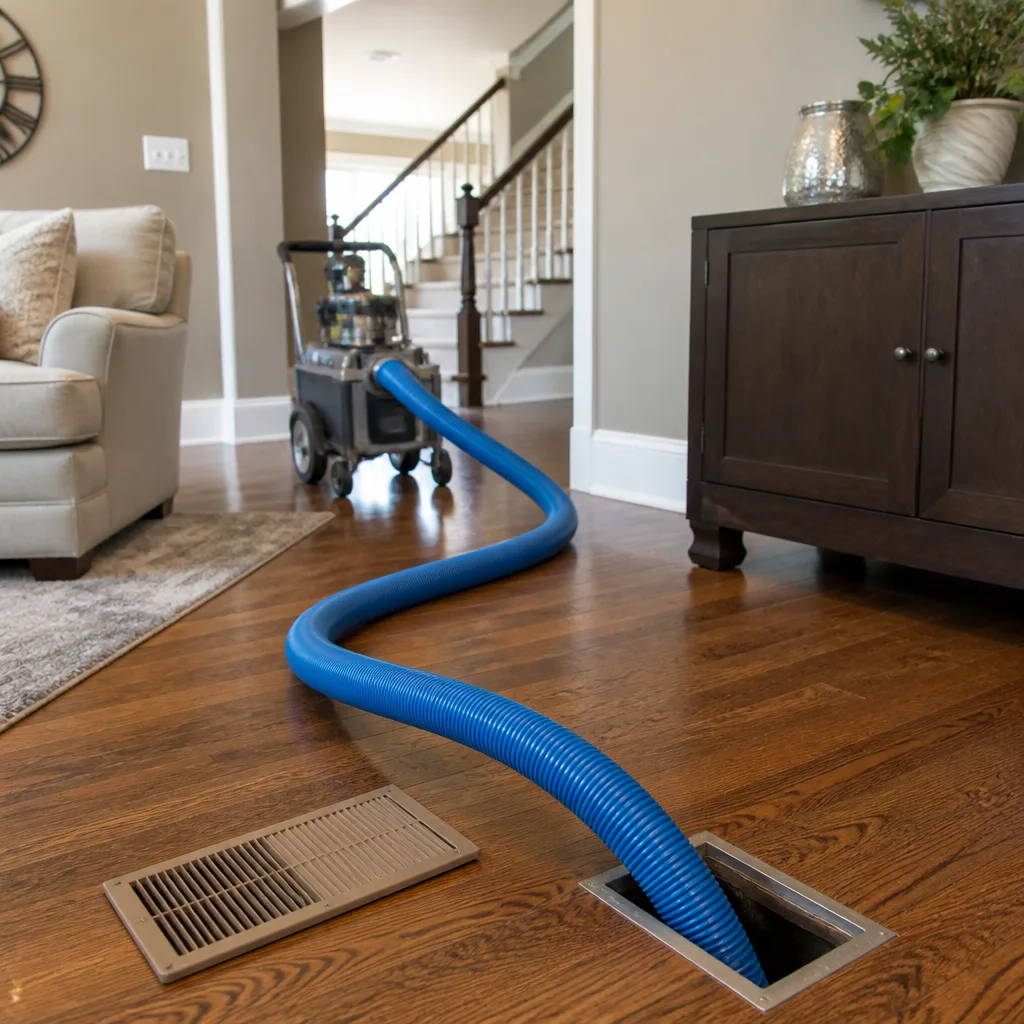 Whole-home duct cleaning
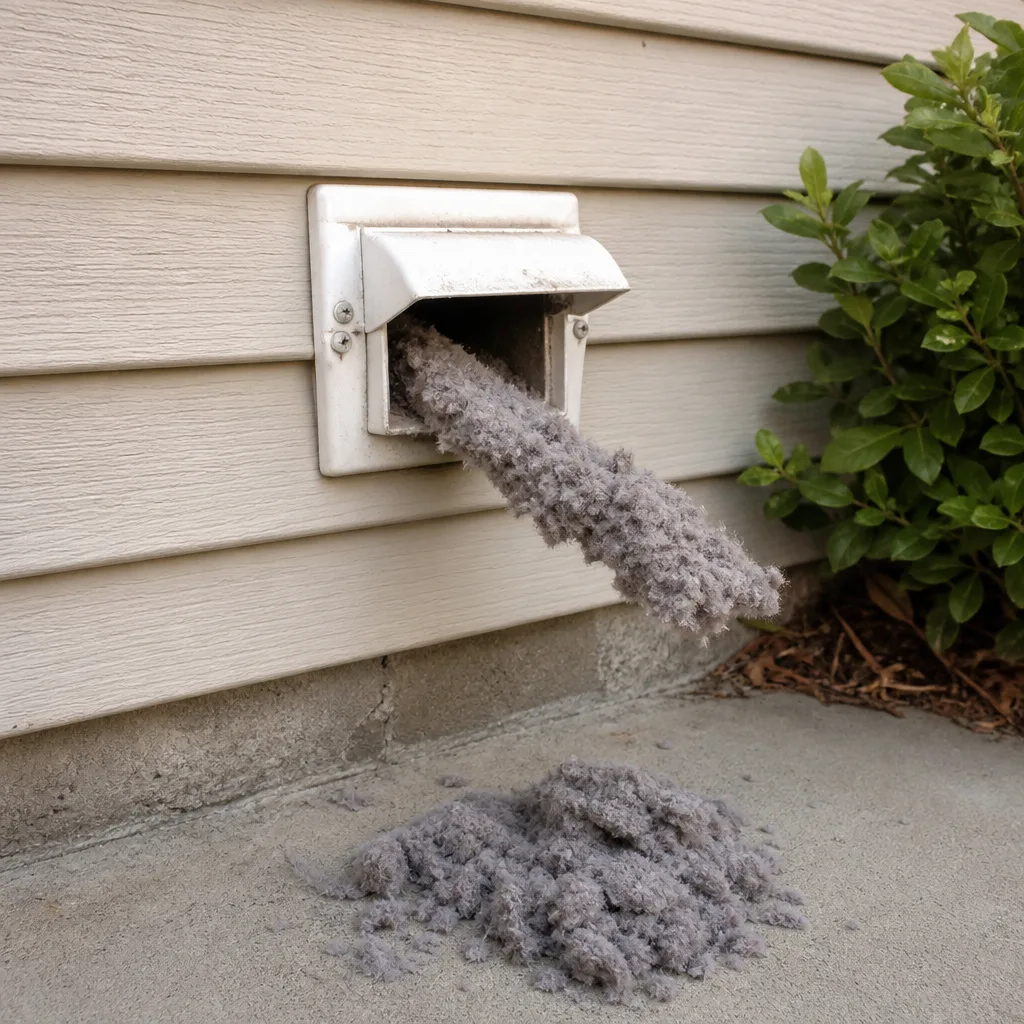 Dryer vent cleaning
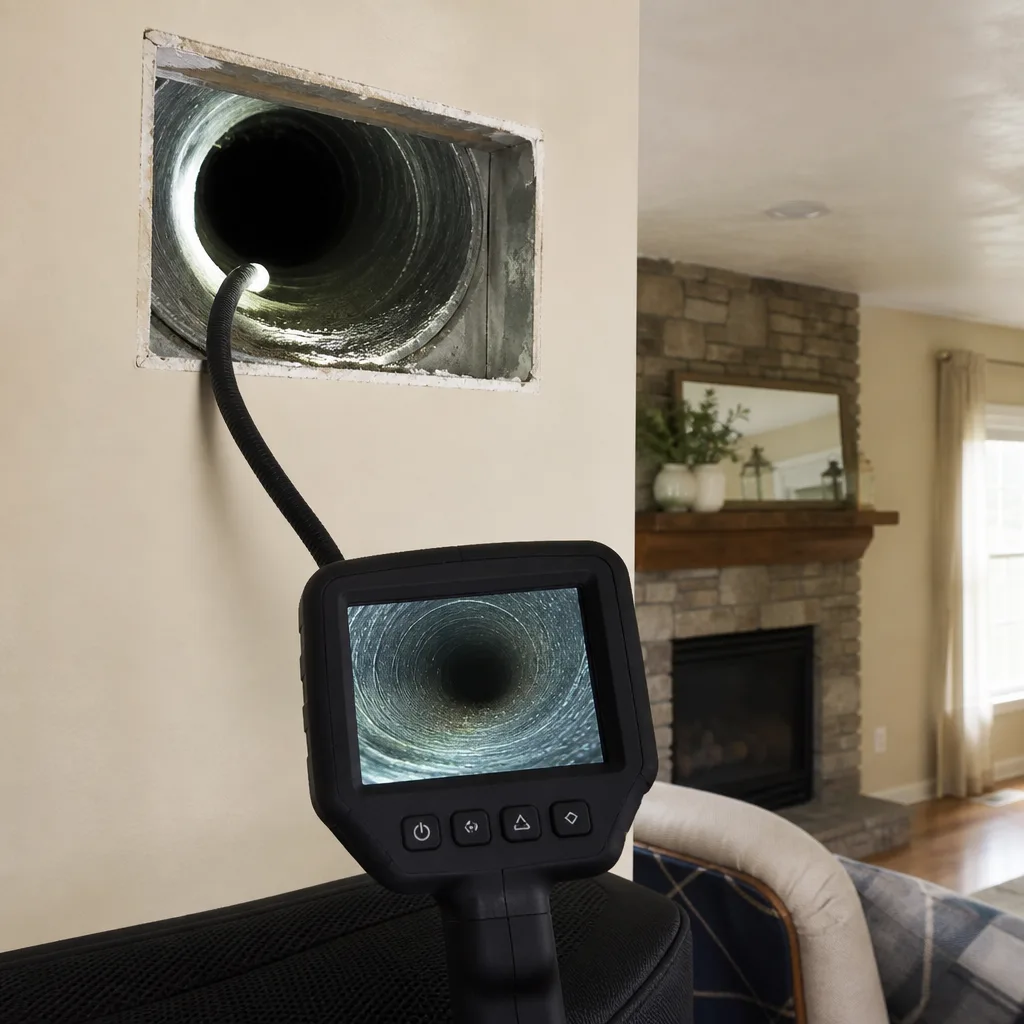 Camera inspection
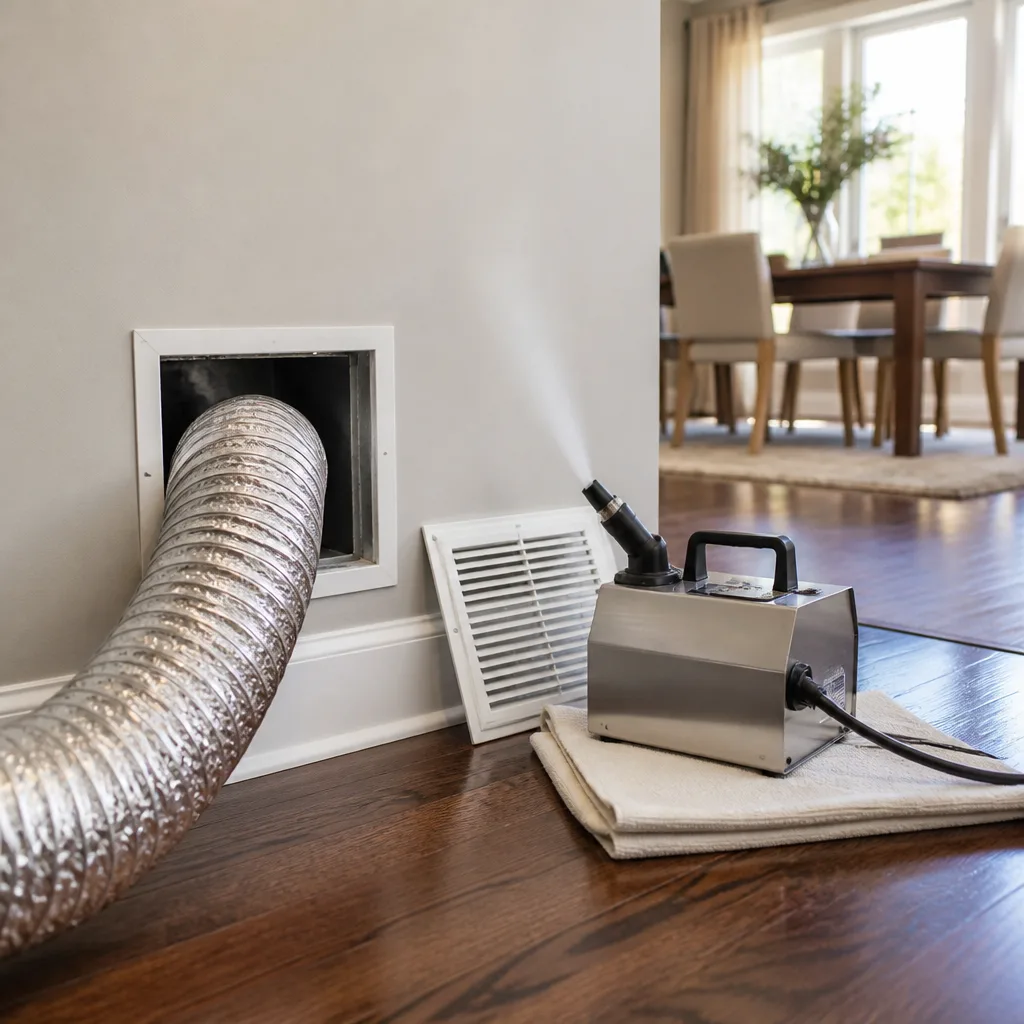 Sanitizing & deodorizing
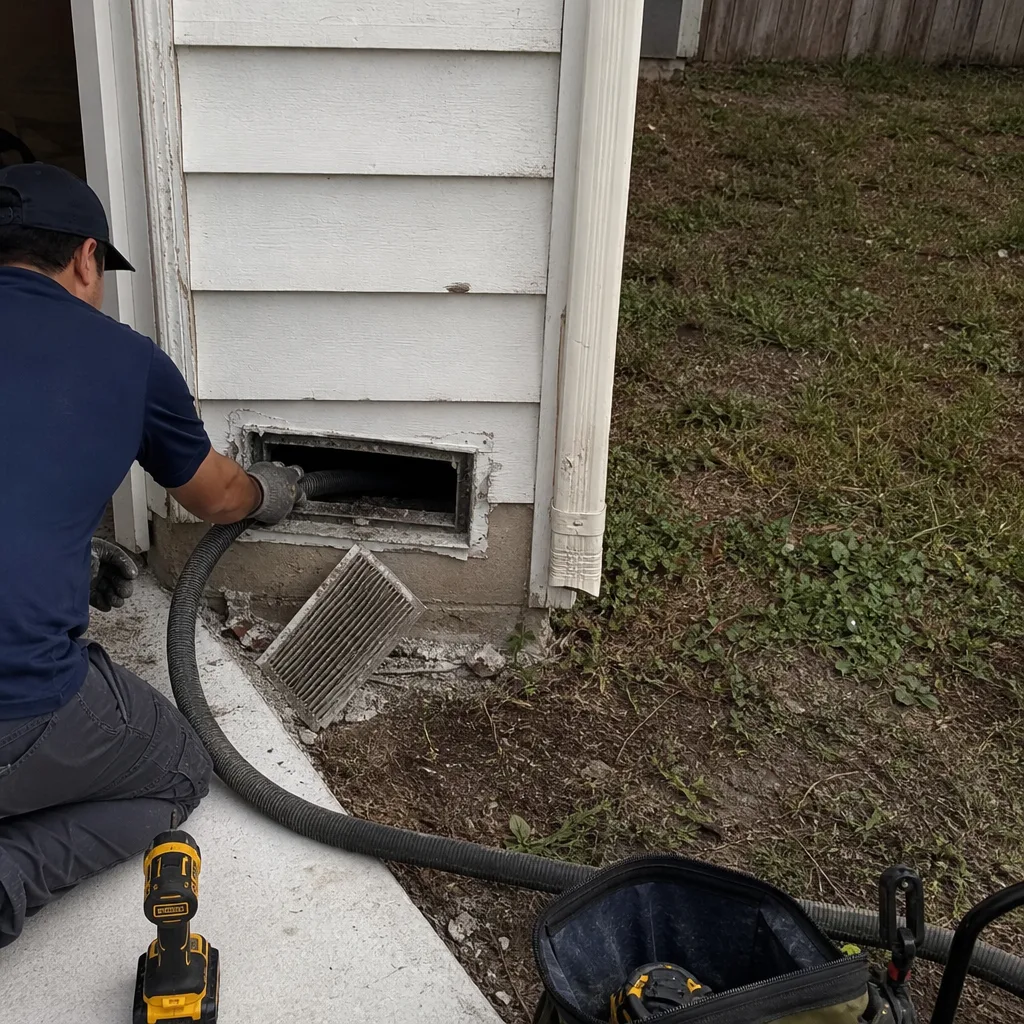
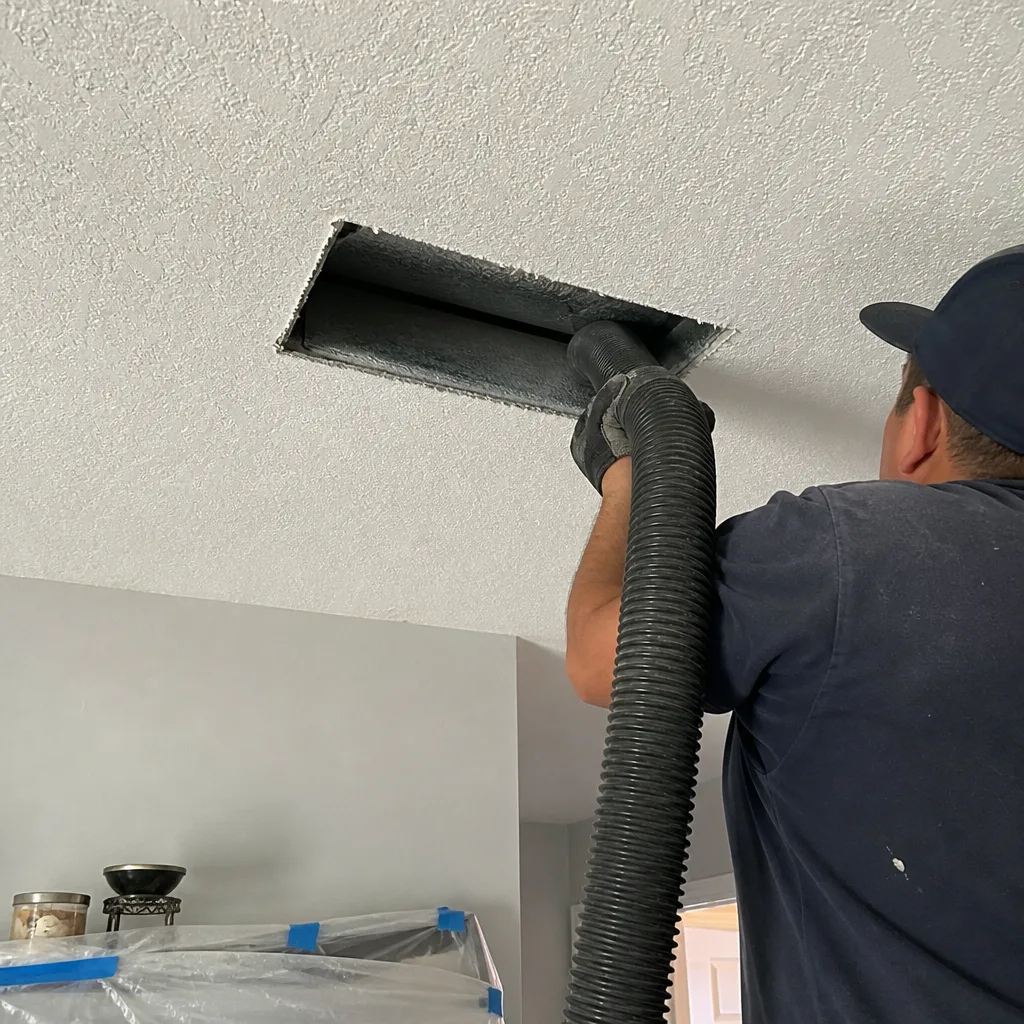
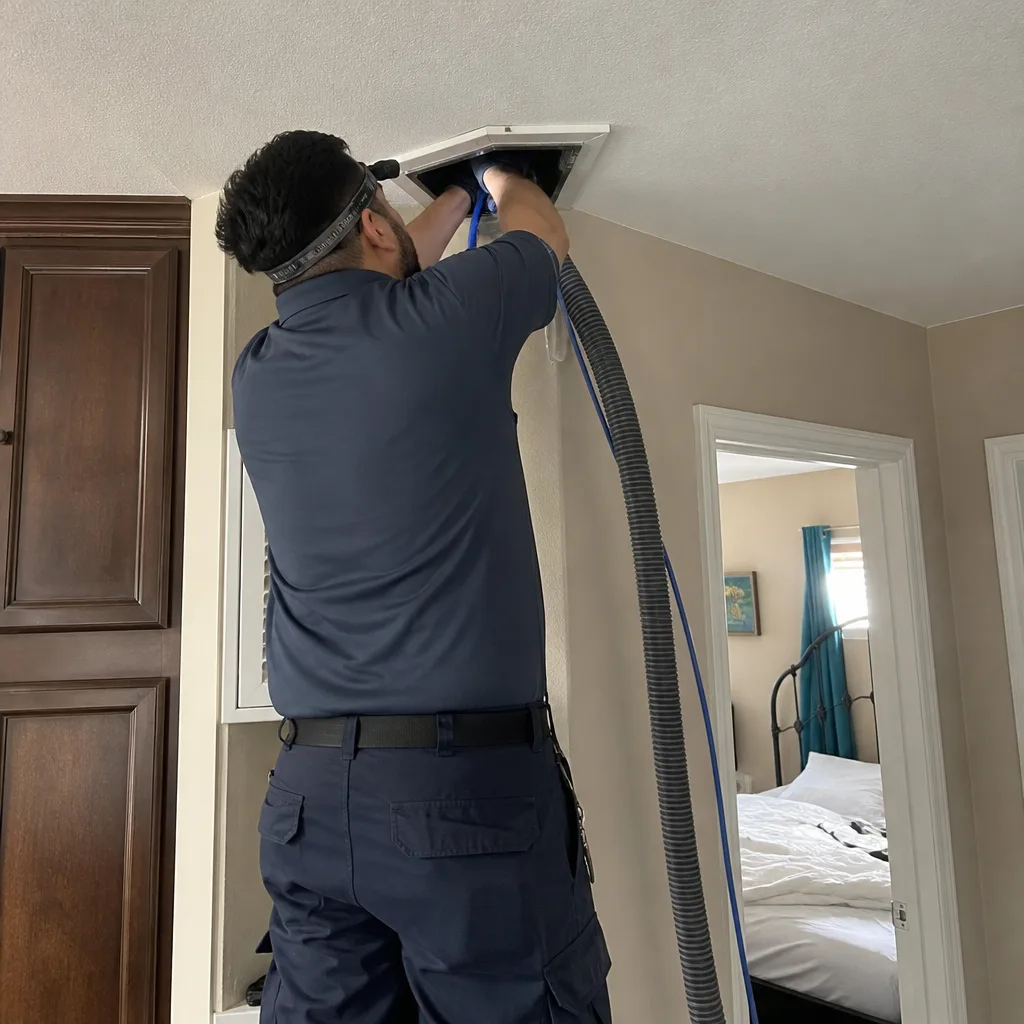
Whole-system duct and dryer vent check with before-and-after photos - you see exactly what came out of your vents
That "$99 whole-house special" is a bait ad - the real number appears once they are in your hallway, or the "clean" is a shop-vac at the register. We photograph the inside of your ducts before and after instead.
Air Duct Cleaning Permits, Codes & Inspections in TX: What You Need to Know
Here’s a counterintuitive fact most San Antonio homeowners discover too late: the air duct cleaning itself rarely requires a permit, but the moment a cleaning crew offers to “fix that small tear” or “spray for that little bit of mold,” they’ve crossed into regulated territory that carries real legal and insurance consequences. A 2023 Texas Department of Licensing and Regulation complaint review found that a significant share of ductwork-related disputes involved contractors performing repair or remediation work without the credentials Texas law requires. This guide walks through exactly where the permit and licensing lines fall, what San Antonio’s local offices actually oversee, and how to protect yourself before anyone touches your ductwork. For related reading, see our Complete Guide to Air Duct Cleaning in San Antonio.
Quick Answer
Air duct cleaning in Texas does not require a permit or a state-issued license when the work is limited to cleaning the interior surfaces of existing ductwork. However, any modification, alteration, or repair to the duct system falls under Texas State Board of Plumbing Examiners or TDLR HVAC rules and typically requires a licensed contractor and possibly a permit. Mold remediation inside ductwork triggers Texas Department of State Health Services licensing requirements that a standard cleaning company does not hold.
Styles & brands we work with
Table of Contents
- When Does Duct Cleaning Become Duct Work? The Legal Threshold
- Do You Need a Permit to Clean Air Ducts in Texas?
- Mold Discovery Mid-Cleaning: The TDSHS Rule Most Crews Ignore
- San Antonio’s Local Codes vs. State Jurisdiction: Who Governs What
- “We Can Sanitize Those Ducts”: What EPA Says About Biocide Application
- How Unpermitted or Unlicensed Work Affects Your Homeowner’s Insurance
- How to Vet Any Duct Contractor Before the Van Shows Up
- Common Mistakes to Avoid
- When to Call a Professional
- Frequently Asked Questions
When Does Duct Cleaning Become Duct Work? The Legal Threshold
The distinction between “cleaning” and “work” is not semantic. Under Texas law, cleaning is the removal of accumulated dust, debris, and particulate from the interior surfaces of existing ductwork using negative-pressure extraction, brush systems, or compressed air. Work, on the other hand, includes anything that changes, repairs, or modifies the duct system itself: sealing a leak, replacing a section, patching a hole, re-routing a run, or installing new components.
Once a contractor moves from cleaning to modification, the job falls under the Texas State Board of Plumbing Examiners (TSBPE) for residential duct systems that are part of the home’s plumbing-adjacent mechanical infrastructure, or under the Texas Department of Licensing and Regulation (TDLR) for HVAC work that requires an air conditioning and refrigeration contractor license. In San Antonio, where summer attic temperatures routinely exceed 130°F and duct systems flex, crack, and separate, the temptation for a cleaning crew to offer a “quick patch” is high. That patch, if performed by an unlicensed cleaner, is unpermitted work in the eyes of the state.
Why does this matter for liability? If the patched section fails and causes water damage or a pressure imbalance that shortens your HVAC compressor’s life, the homeowner’s recourse against an unlicensed party is significantly weaker. Texas courts have repeatedly held that work performed outside the scope of a contractor’s legal authority creates questions about the validity of the underlying contract and can complicate warranty claims.
Do You Need a Permit to Clean Air Ducts in Texas?
No. The state of Texas does not require a permit for cleaning the interior of existing air ducts. The Texas Department of Licensing and Regulation does not list “air duct cleaning” among occupations requiring a license, and the Texas State Board of Plumbing Examiners does not consider cleaning a regulated activity. This is a load-bearing fact: any company that tells you a permit is required before they can clean your ducts is either misinformed or introducing friction to justify a higher price.
However, there are three narrow exceptions where a permit may come into play:
- New construction or full system replacement. If the cleaning is part of a larger HVAC installation or replacement project, the permitting for that project is handled by the installing contractor, and the cleaning is incidental to the permitted work.
- Commercial or multi-family buildings. Some municipalities, including San Antonio, require inspection of certain mechanical work in commercial structures. A named permit holder must pull those permits, not the cleaning company.
- Duct modification. As covered above, once the work includes any physical alteration, the permit question is no longer optional.
In San Antonio specifically, the Development Services Department handles building permits for mechanical work. A homeowner can call the department directly at (430) 233-7681 to verify whether a proposed duct modification requires a permit. In our experience serving San Antonio since 2004, we’ve seen homeowners get this wrong in both directions: some assume every duct job needs a permit and overpay, while others assume nothing needs a permit and end up with unpermitted modifications that come back to bite them at resale. If you’re unsure whether your system needs attention, review Air Duct Cleaning Warning Signs: A San Antonio Homeowner’s Reference Guide.
Mold Discovery Mid-Cleaning: The TDSHS Rule Most Crews Ignore
The most common regulatory violation in the air duct industry in Texas involves mold. Here is the scenario: a cleaning crew opens your ductwork, sees what they identify as mold, and offers to “take care of it” with a biocide spray or a sealant. That offer, when accepted, constitutes mold remediation under Texas Department of State Health Services (TDSHS) rules.
TDSHS requires that mold remediation in residential properties be performed by a licensed mold remediation contractor. The requirements include:
- The contractor must hold a current TDSHS mold remediation license.
- The work must follow a written mold remediation protocol prepared by a licensed mold assessment consultant.
- The remediation must include containment measures to prevent cross-contamination.
- Post-remediation verification must be conducted by an independent party.
A company whose only credential is “duct cleaning” does not hold this license. When an unlicensed cleaner applies a biocide and seals over mold without containment or verification, several things happen. The mold is not removed; it is covered. The homeowner has paid for remediation that does not meet state standards. And the homeowner now has a home with a known mold condition that was improperly addressed, which becomes a disclosure problem if they sell the home.
In San Antonio’s humid subtropical climate, where relative humidity inside ductwork can support mold growth year-round, this scenario is not rare. We field calls regularly from homeowners who paid another company to “kill the mold” and later discovered the spraying did nothing because the underlying moisture source remains. The correct sequence is always: identify and fix the moisture problem, then remediate per TDSHS protocol, then verify. A cleaning crew that offers spot-treatment as a substitute for remediation is skipping at least two of those steps.
San Antonio’s Local Codes vs. State Jurisdiction: Who Governs What
When something goes wrong with a duct job, knowing who to call matters as much as knowing what to ask. The answer depends on what the work actually involved.
What the State of Texas governs:
- HVAC contracting and repair: Texas Department of Licensing and Regulation (TDLR)
- Plumbing-adjacent mechanical work including some duct modifications: Texas State Board of Plumbing Examiners
- Mold assessment and remediation: Texas Department of State Health Services
- Consumer complaints against unlicensed activity: TDLR’s enforcement division
What San Antonio’s Development Services Department governs:
- Building permits for new construction and major renovations
- Mechanical permits for HVAC work in commercial and multi-family properties
- Code compliance inspections
- Local amendments to the International Mechanical Code and International Residential Code
The practical takeaway for a homeowner in Alamo Heights, Stone Oak, or any other San Antonio neighborhood: if a contractor performed duct repair without a required permit, the complaint route is the state licensing board or TDLR depending on the trade. If the issue is a code violation in new construction, San Antonio’s Development Services is the place to start. If mold was improperly handled, TDSHS is the authority. Most homeowners we meet don’t know this split exists, and they lose weeks filing complaints with the wrong agency.
“We Can Sanitize Those Ducts”: What EPA Says About Biocide Application
The Environmental Protection Agency maintains a specific stance on applying chemical biocides inside ductwork: do not do it unless the product is registered for that specific use and the application follows the label’s approved conditions. The EPA’s guidance on air duct cleaning states that “no EPA-registered antimicrobial products are currently registered for use against microbiological growth on fibrous glass insulation or on bare sheet metal in ductwork.”
What does this mean for the company offering to “sanitize” your ducts with a fog or spray? It means they should be able to name the exact product, show you its EPA registration number, and explain the label conditions under which it can legally be applied inside duct systems. If they cannot do all three, the application is outside EPA-approved use. The EPA’s language is blunt: duct cleaning should focus on source removal, not chemical application. Chemicals do not address the underlying moisture that causes microbial growth.
Several products exist in the duct-cleaning equipment space, including units from Rotobrush and Nikro, that are used by professional companies for mechanical agitation and extraction. These are not biocide approval pathways; they are tools for the physical removal of debris. We use professional-grade equipment from Rotobrush and Nikro for source removal, and when air quality concerns exist, we can discuss products from Honeywell, Aprilaire, and Abatement Technologies that address air quality at the point of filtration rather than spraying chemicals into the ducts themselves.
How Unpermitted or Unlicensed Work Affects Your Homeowner’s Insurance
Insurance policies are contracts built on the principle that the homeowner will comply with law and maintain the property in a reasonable manner. When a homeowner hires an unlicensed person who performs work requiring a license, and that work later contributes to a covered loss, the insurance company has grounds to deny or reduce the claim.
Consider a specific scenario from our San Antonio service territory. A homeowner in the Medical Center area hired a handyman to clean ducts. The handyman noticed a dislodged duct connection and “reconnected” it without a permit or license. Six months later, the connection failed during a humid stretch in May, condensation pooled in the ceiling, and the homeowner filed a claim for ceiling damage. The insurer’s adjuster asked two questions: who performed the repair, and where is the permit? The claim was denied on the grounds that unpermitted work created the condition.
Even when an insurer pays the claim, the homeowner may face consequences at renewal. Many Texas homeowners policies now include coverage exclusions or sub-limits for “latent defects” that trace to unpermitted work. Before you let anyone modify your duct system, ask for the license number and the permit. If they hesitate, the job stops. That hesitation is your answer. Our standing commitment at Linden Air Duct San Antonio is that every air duct repair we perform in San Antonio is covered by a written guarantee, and the price is put in writing before any work begins.
How to Vet Any Duct Contractor Before the Van Shows Up
Most San Antonio homeowners spend more time choosing a restaurant than vetting the person who will be inside their home for three hours. Here is a repeatable process that takes under 20 minutes and eliminates most risk:
- Confirm the exact scope of work in writing. If the job description says “cleaning,” that is what the company is legally entitled to do. Any repair, modification, or mold treatment changes the scope and the legal requirements. Get the scope in writing before the van arrives.
- Ask what happens if they find damage or mold. A company that says “we’ll take care of it on the spot” is telling you they’ll perform work they are not licensed to perform. A professional company stops work, explains the situation, and recommends a licensed contractor. That is the behavior you want.
- Ask for the technician’s name and photo before the visit. You should know exactly who is coming. The Threshold Standard, which we operate to at Linden Air Duct San Antonio, means every technician is background-checked, identity-verified, photo-badged, and introduced to you by name and photo before arrival. A photo ID badge is shown at the door. Every time.
- Request the company’s written guarantee. What exactly is covered, and for how long? “We stand behind our work” is not an answer. “365 days, in writing, with a free second visit if the repair fails” is an answer. Our 365-Day Done Right Promise covers exactly that: if the work is not right, we make it right, backed in writing on every job.
- Verify the phone number is answered by a person. Call the company number. If you get a voicemail tree during business hours, that is information. We answer the phone with a live person 24/7. No voicemail loops, no callback queues. This matters on the day of your appointment and the day you have a question six months later.
- Ask what equipment they use and why. “Professional-grade equipment” is a vague claim. “We use Rotobrush and Nikro negative-pressure extraction systems, and we can show you the before-and-after photos of your own ductwork” is a specific one. Anyone cleaning your air ducts should be able to name the equipment and explain the extraction method in plain language.
This process is self-filtering. Companies that intend to upsell you into unlicensed territory will fail at step 2 or step 4. Companies that can’t tell you who is coming to your door will fail at step 3. You don’t need to interrogate anyone. You just need to watch where they hesitate.
Common Mistakes to Avoid
- Accepting an on-the-spot mold “treatment” from a cleaning company. Any company offering to apply a biocide or sealant to address mold inside ducts is offering mold remediation, which requires a TDSHS license. If they cannot show the license, decline and call a licensed mold remediation contractor.
- Assuming a low quote is a good deal without verifying scope. A San Antonio homeowner who pays for “cleaning” but receives an unpermitted repair has bought liability, not service. The savings evaporate the first time something fails.
- Filing a complaint with the wrong agency. We’ve seen San Antonio homeowners file HVAC complaints with the city when the state TDLR is the correct authority, and mold complaints with TDLR when TDSHS is the proper channel. File with the agency that licenses the relevant trade.
- Failing to get the scope of work in writing before the job. A verbal description of “clean the ducts” creates a dispute about what was supposed to happen when the crew starts doing something else. Written scope is not bureaucracy; it is the only reliable record.
- Letting anyone into the home without verifying identity. A real technician arrives with a name and photo you received before the visit. If the person at your door cannot produce a photo ID that matches the name you were given, the job does not start.
- Paying a “per-vent” price. Competent duct cleaning is priced for the whole system, not per individual vent. A per-vent price is a structure designed to climb once the crew is inside. Get one flat price per system in writing before work begins. That is how we price every job at Linden Air Duct San Antonio.
- Assuming a permit is required when it is not, or not required when it is. Clean = no permit. Modify = permit and license. Getting this wrong in either direction costs money or creates liability.
When to Call a Professional
Call a professional air duct cleaning company when you see visible dust buildup at supply registers, when family members experience unexplained allergy symptoms that improve away from home, when you’ve had recent construction or water damage near ductwork, or when your HVAC system has never been cleaned in the years you’ve owned the home. Call a licensed HVAC contractor when the issue involves damaged, disconnected, or collapsed duct sections. Call a licensed mold remediation contractor when mold is confirmed or suspected. And call us if you’re not sure which category applies, because we’ll tell you honestly. Linden Air Duct San Antonio offers free estimates in San Antonio. Call (430) 233-7681 and speak with a live person, any hour, any day.
Frequently Asked Questions
No permit is required in Texas for cleaning the interior of existing air ductwork. A permit may be required if the job expands to include duct modification, repair, or replacement, which then falls under TSBPE or TDLR jurisdiction. Call (430) 233-7681 and we’ll help you determine which category your job falls into before anything gets scheduled.
Only if they hold the appropriate state license for the specific repair work. A company whose only credential is duct cleaning is not authorized to perform duct modification or repair. If a technician tries to upsell you into a repair during a cleaning, ask for their TDLR or TSBPE license number. We are always happy to walk you through air duct cleaning in San Antonio and explain exactly where the cleaning stops and the repair begins.
Stop the job and request that the company identify the issue in writing. Do not accept an on-the-spot biocide spray or sealant application. Mold remediation inside ductwork requires a TDSHS-licensed remediation contractor and a written protocol. Ask the cleaner to show their mold remediation license, and if they can’t, bring in a licensed contractor.
No state or local inspection is required after a cleaning in San Antonio. However, a reputable company should provide before-and-after photos of your ductwork so you can verify the work was actually performed. We provide those photos on every job. That is how you know the work happened, and our Linden Air Duct San Antonio home page explains the full process.
If the work involved HVAC repair, file with the TDLR. If it involved mold, file with TDSHS. If it involved plumbing-adjacent mechanical work, file with the TSBPE. If the issue is a code violation in new construction or a commercial property, contact San Antonio’s Development Services Department at (430) 233-7681. For dryer vent cleaning in San Antonio, issues are typically resolved directly with the company, since no permit is required for that service either.
Low quotes often come from companies that plan to upsell once they’re inside your home, or from crews performing unlicensed modification work without the overhead of insurance, licensing, and background checks. A legitimate cleaning company has real costs: verified technicians, professional equipment from brands like Rotobrush and Nikro, insurance, and a written guarantee. When the gap between quotes is large, ask what specifically is included in writing. The answer usually explains the gap. Call (430) 233-7681 for an honest range before you schedule anything.
The Bottom Line
Air duct cleaning in Texas sits in a narrow legal space: no permit needed for the cleaning itself, but real consequences for any step over the line into repair, modification, or mold remediation. The homeowner’s protection is not a stack of forms; it is knowing the exact line and refusing to cross it with an unqualified crew. Get the scope in writing, verify the technician’s identity, ask the hard questions about mold and biocide, and know which agency handles complaints if something goes wrong. The companies that pass that process are the ones you want in your home. For more guides & resources, visit our blog. If you have questions about permits, codes, or the scope of any air duct job in San Antonio, call (430) 233-7681 and we’ll give you a straight answer.
Written by Marcus Veale, Owner at Linden Air Duct San Antonio, serving San Antonio since 2004.
See the difference
 Before
 After
After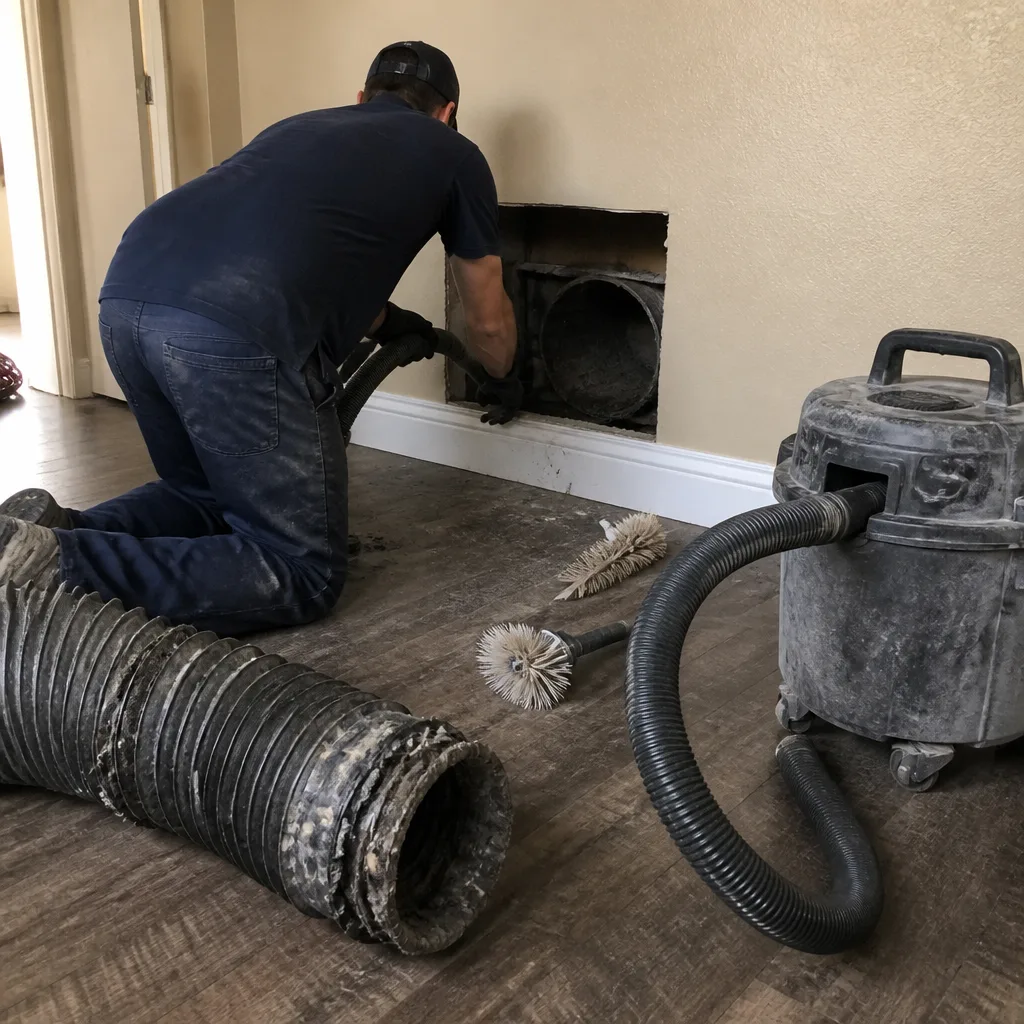 Before
 After
After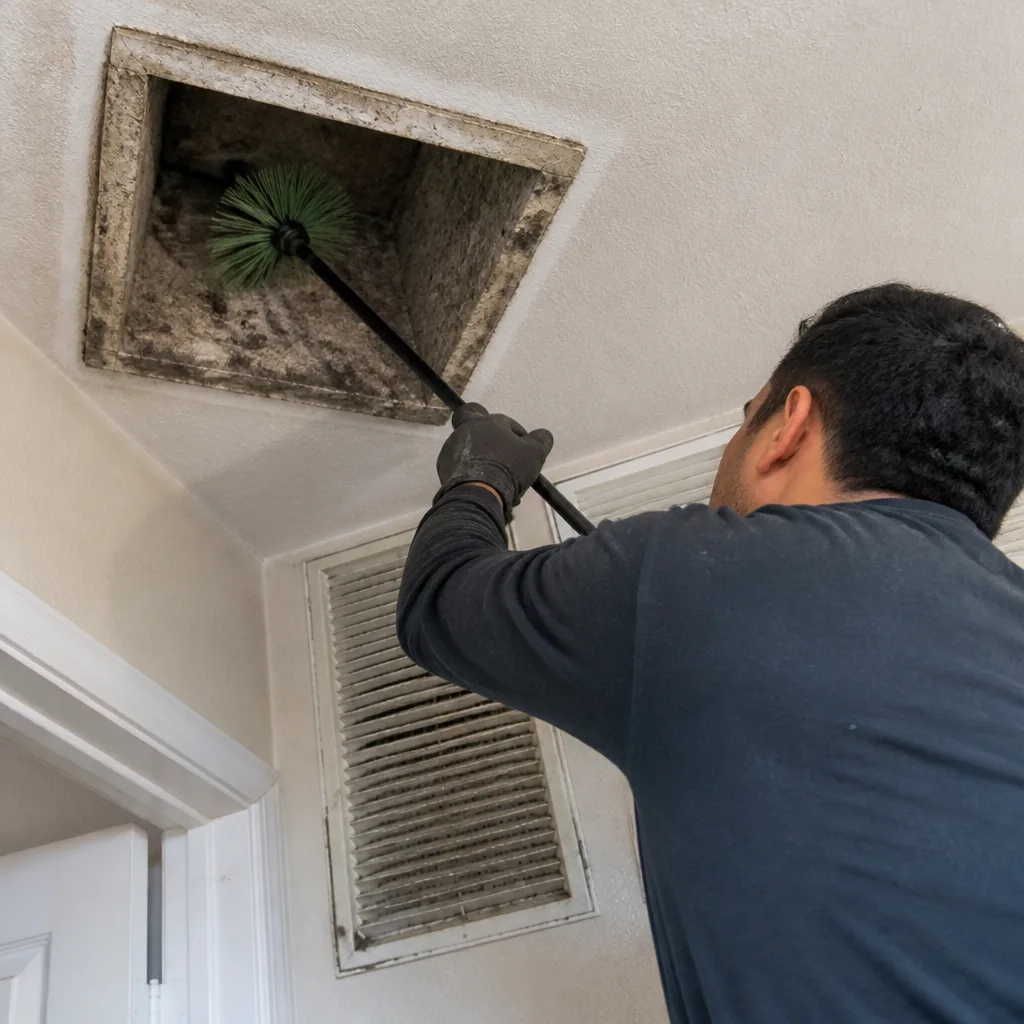 Before
 After
After