
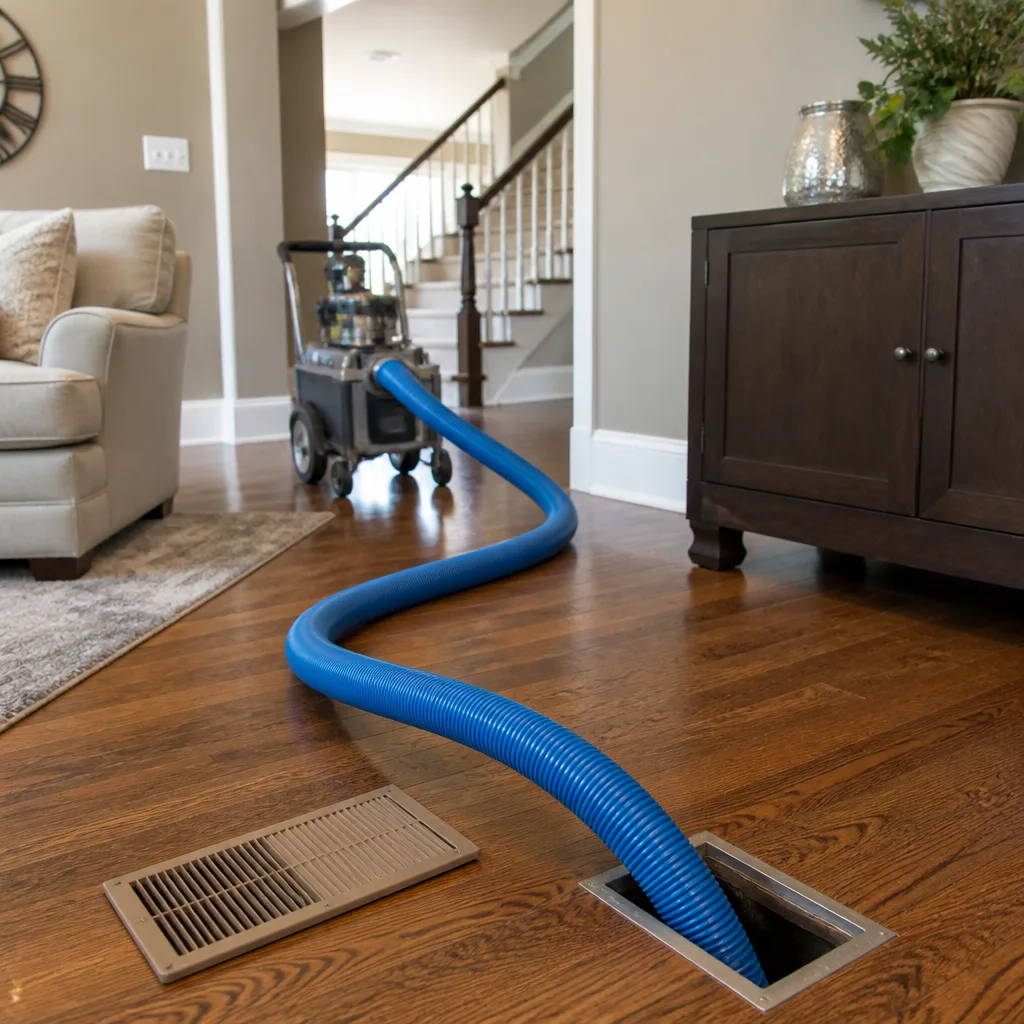
Last updated October 15, 2026
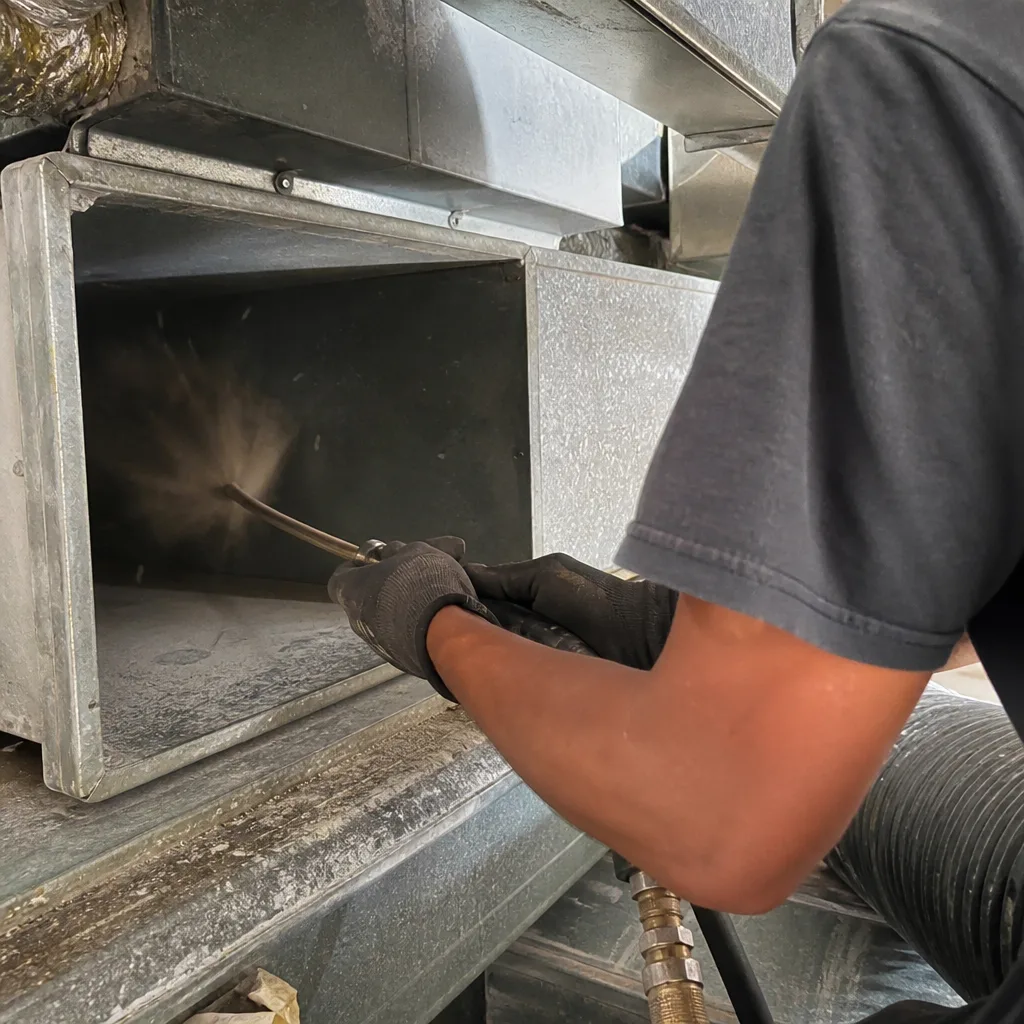
 Whole-home duct cleaning
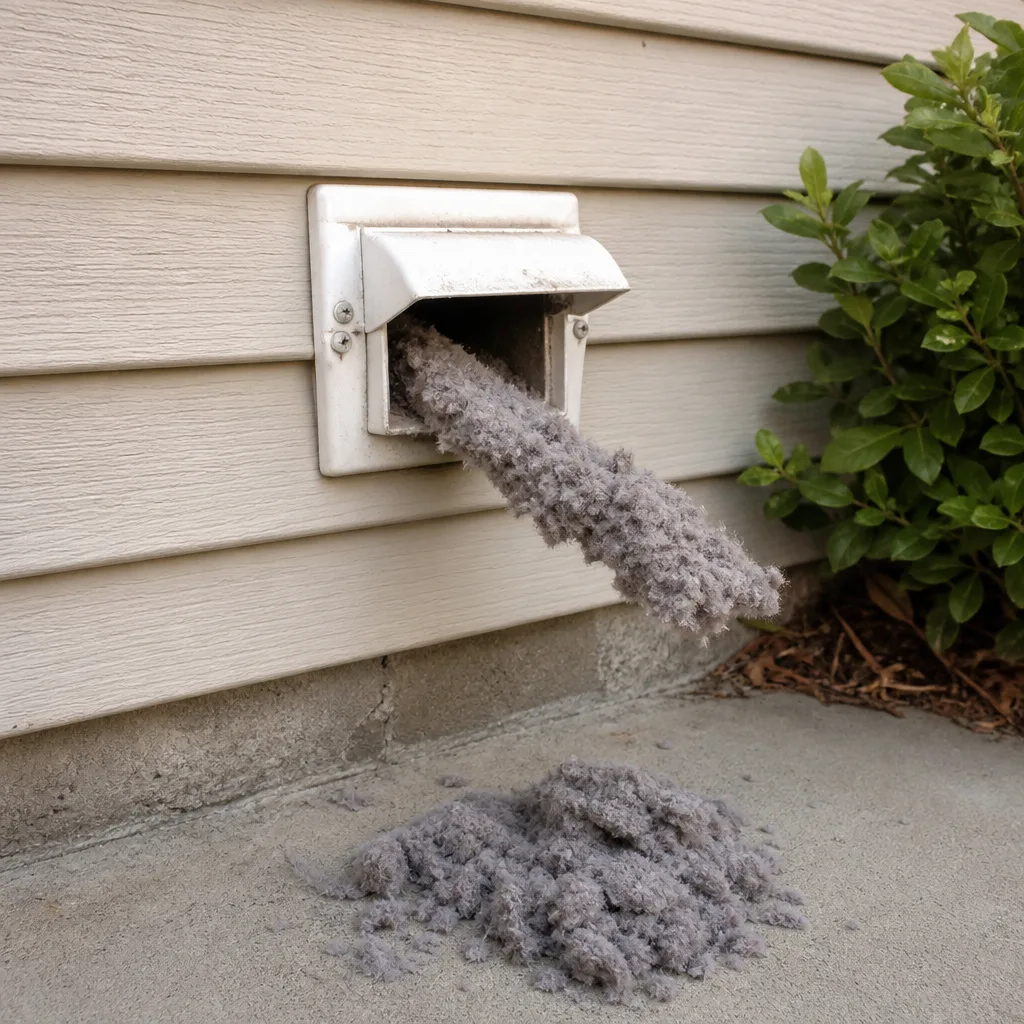 Dryer vent cleaning
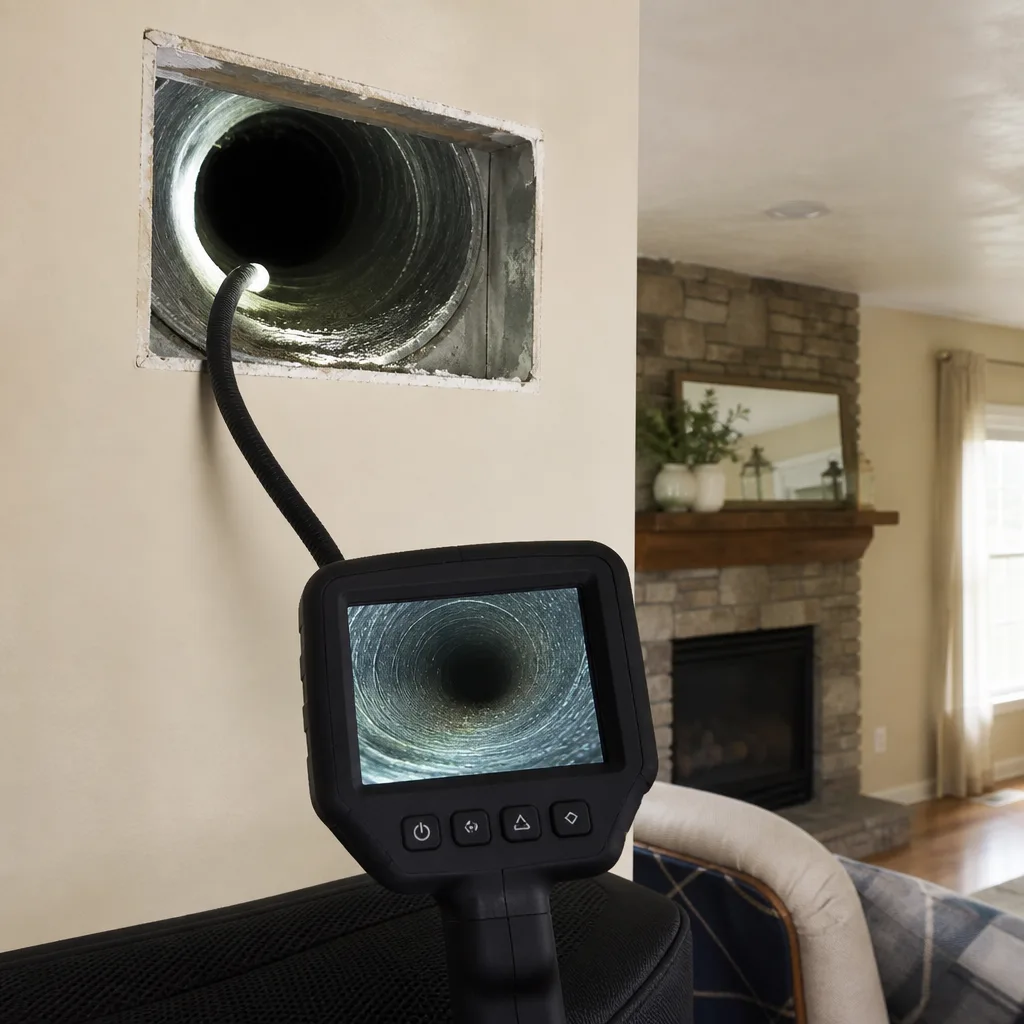 Camera inspection
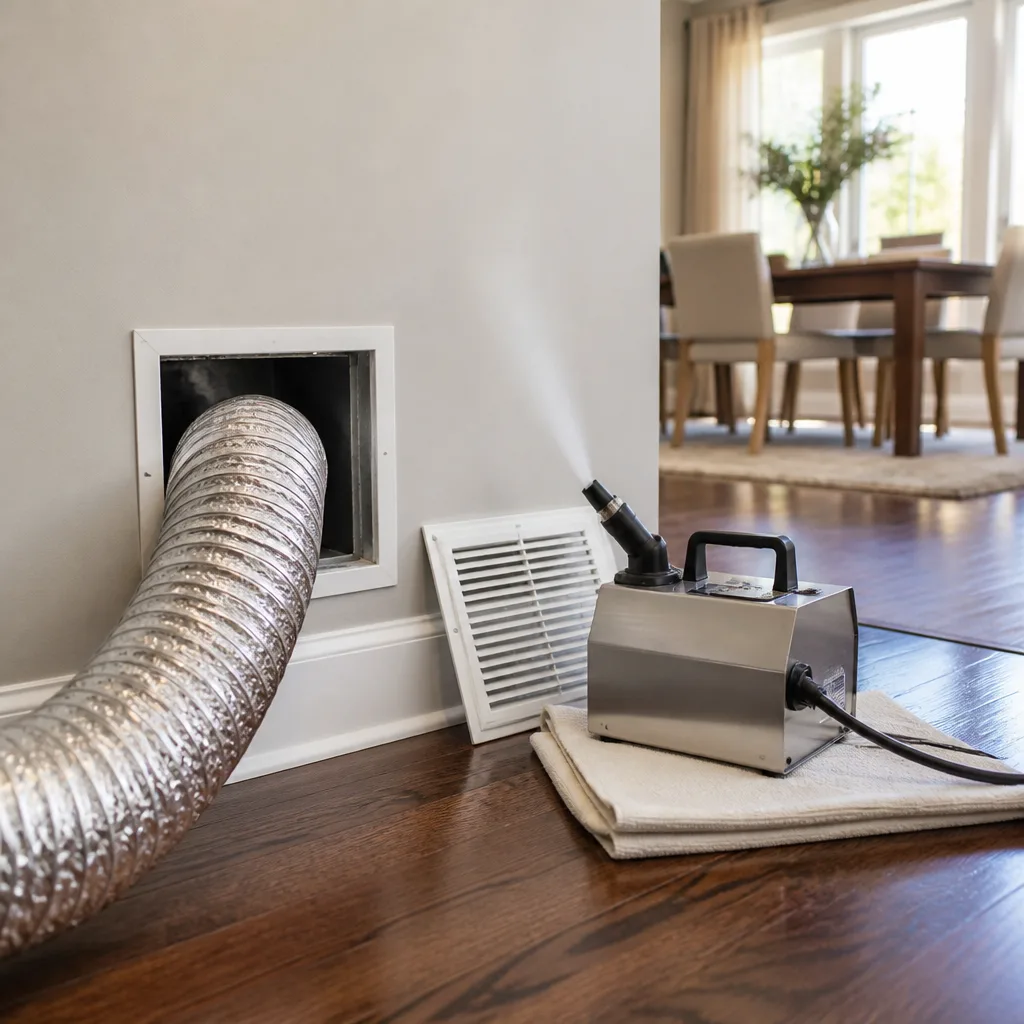 Sanitizing & deodorizing
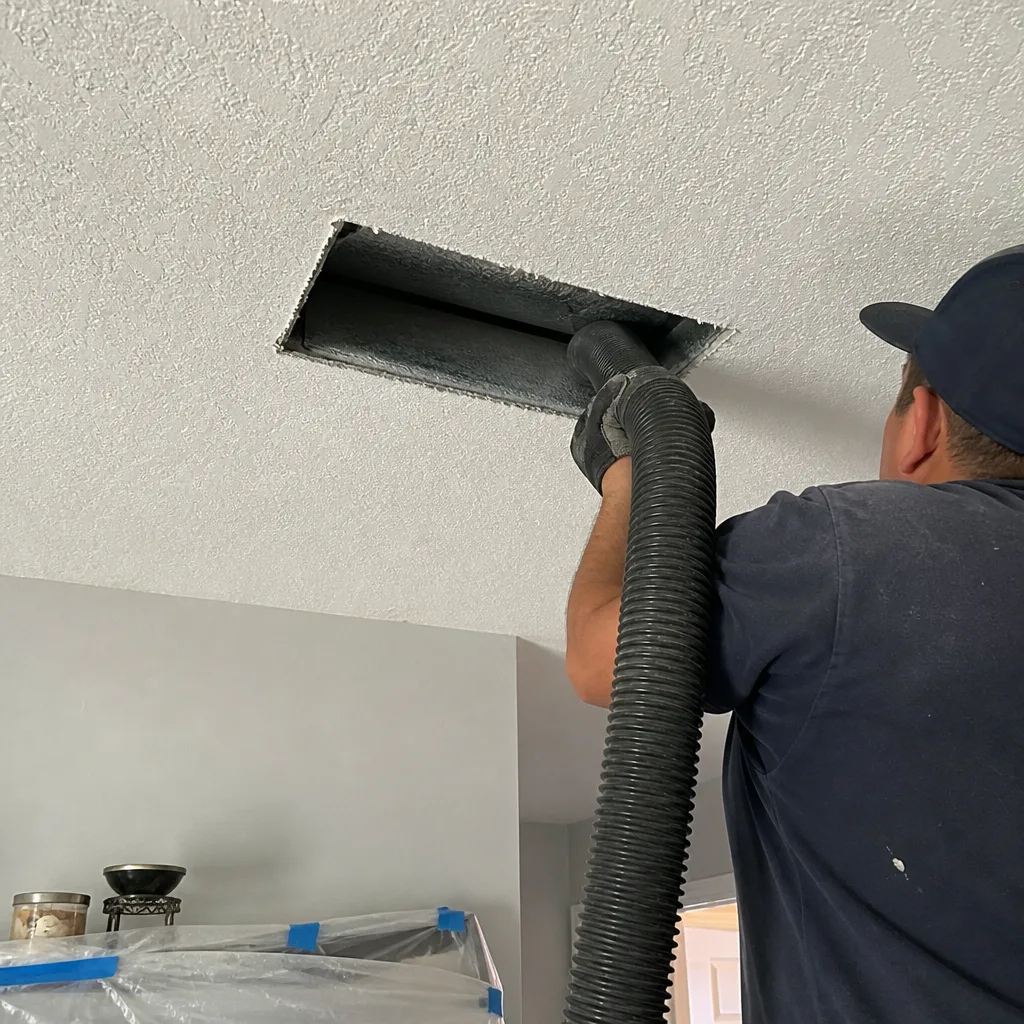
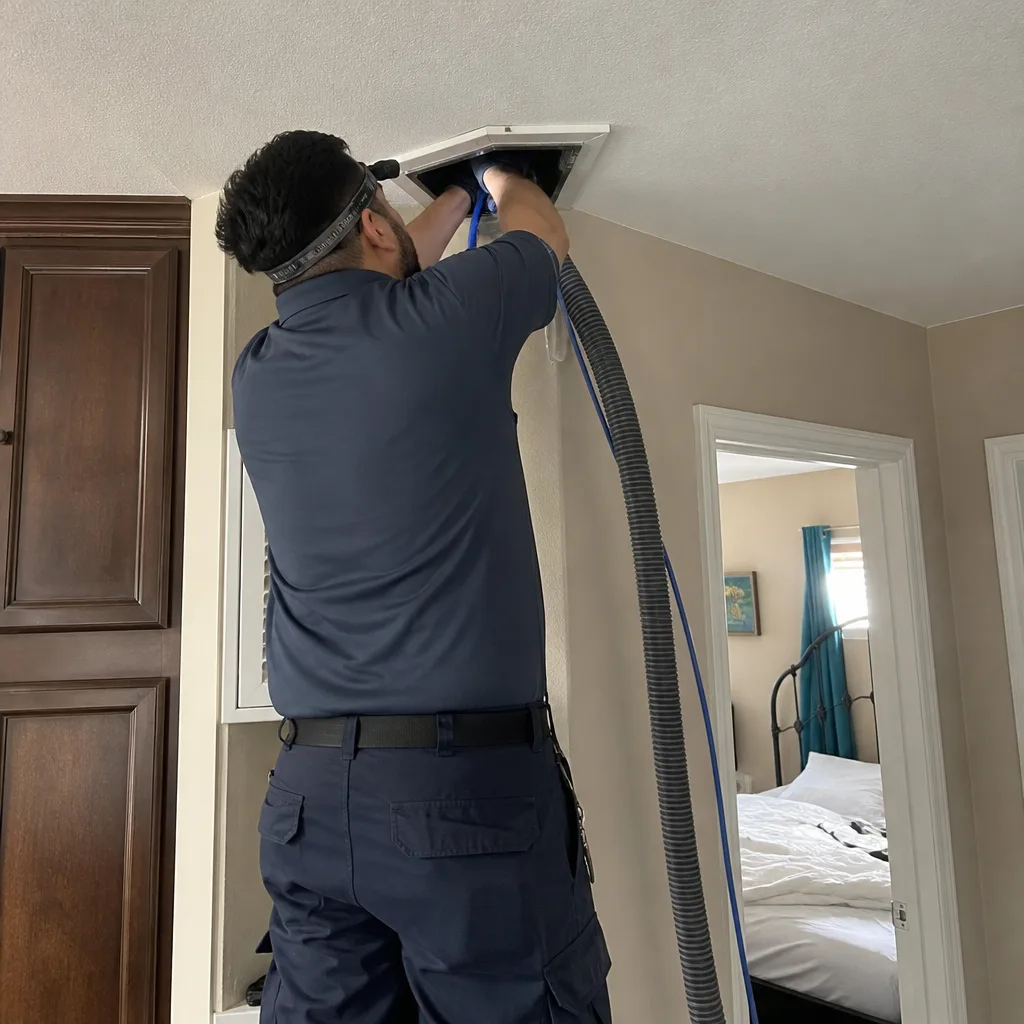
Whole-system duct and dryer vent check with before-and-after photos - you see exactly what came out of your vents
That "$99 whole-house special" is a bait ad - the real number appears once they are in your hallway, or the "clean" is a shop-vac at the register. We photograph the inside of your ducts before and after instead.
Air Duct Cleaning Maintenance Checklist for San Antonio Homeowners
Most air duct maintenance checklists stop at “change your filter every 90 days” – but in San Antonio, where central AC can run continuously from April through October, that same filter slot accumulates twice the particulate load of a northern climate home in the same calendar period. Add in cedar pollen, live oak, wildfire haze from the Hill Country, and the fine limestone dust that settles into attics, and you have a duct system working harder than most in the country. This guide gives you a month-by-month inspection routine built around observation, not just Air Duct Cleaning services. You’ll learn what to look for at every vent register, how to spot flex duct failure before it leaks conditioned air into your attic, and what to document after each cleaning so a warranty claim never becomes a he-said-she-said.
Quick Answer
A proper air duct cleaning maintenance checklist for San Antonio starts with a visual walkthrough every 60 days during cooling season: check return grilles for gray dust buildup, inspect flex duct connections in the attic for sagging or separation, replace filters on a schedule matched to your MERV rating and pollen season, and document everything with photos and dated notes. Full professional air duct cleaning in San Antonio is generally warranted every 3 to 5 years, but homes with pets, recent remodeling, or residents with allergies may need it every 2 to 3 years.
Styles & brands we work with
Table of Contents
- Month-by-Month San Antonio Maintenance Calendar
- Vent Register Inspection: What to Document at Each Register
- Flex Duct Connections: The San Antonio Attic Problem
- Filter Selection for Cedar and Oak Pollen Loads
- Recording a Post-Cleaning Baseline: Your Paper Trail
- Signs Contamination Is Building Faster Than Expected
- When to Schedule a Professional Cleaning
- Common Mistakes to Avoid
Month-by-Month San Antonio Maintenance Calendar
San Antonio doesn’t have a single heating and cooling season. It has an extended cooling season, a brief shoulder season, and a heating season so short it’s easy to forget the furnace exists. Your ductwork lives in that cycle, and your inspection routine should follow it. Here’s what we recommend based on what San Antonio attics and return plenums actually look like when we open them.
- January and February: Cedar peak and heater cycling. Mountain cedar pollen peaks from late December through February in San Antonio. Your filter is catching more than usual, and your furnace is cycling overnight. Check the return grille every two weeks. If you see a gray film forming at the edges of the grille slots, the filter is loading faster than its rating assumes. Replace it early rather than waiting for the 90-day mark.
- March and April: Oak season and spring AC startup. Live oak pollen drops in heavy yellow-green layers during March and April across San Antonio. Before you switch the thermostat from heat to cool for the first time, take ten minutes to inspect the evaporator coil sight line if your unit allows it. Look for a felt-like gray or green deposit on the coil fins. If you see it, the duct system has been pulling unfiltered air past the coil, and a professional cleaning may be overdue. Run the system in cooling mode for five minutes and put your hand at a supply register. Weak airflow suggests a loaded filter, a collapsing flex duct, or a failing blower.
- May and June: Peak load begins. By late May, San Antonio AC units are running 12 to 16 hours a day. This is when condensation in the drain pan and the supply plenum creates exactly the damp environment where microbial growth appears. Check the primary condensate drain line for slow drainage. Check the supply registers in rooms farthest from the air handler: if airflow there feels noticeably weaker than in rooms near the unit, the duct runs to those rooms may be sagging or kinked.
- July and August: Extreme heat stress on everything above the insulation. Attic temperatures in San Antonio regularly exceed 140 degrees in July and August. Duct straps, mastic seals, and the vinyl jacket of flex ducts all degrade faster than they do in cooler climates. Inspect every duct run you can safely reach. Look for straps that have stretched, ducts that are resting on top of ceiling joists or framing instead of being suspended, and connections that have pulled apart at the plenum or at the register boot. Each of these is a real leak that sends paid-for cooled air into your attic.
- September: Still cooling, but with different particulate. The AC keeps running, but the pollen load shifts toward ragweed and other fall allergens. By now your filter has been working near continuously for five months. Even if it is rated for 90 days of use, continuous runtime shortens that real-world window. Replace it now and note the condition of the old one: if the pleats have collapsed or the frame has bowed, you are running too restrictive a filter for the blower.
- October and November: Fall transition checks. This is the best time in San Antonio for a full duct inspection. The cooling load has dropped, but the system is not yet dormant. You can get into the attic without risking heat exhaustion, and any problems you find can be fixed before winter demand. Check every register in the house for dust accumulation patterns. Check the return for white or gray film. Check the flex ducts for any of the failure signs described in the section below. If the system has been running for six months without a professional look, schedule one now.
- December: Filter and furnace check. Before the winter heating cycle starts, check the furnace filter slot for dust bypass. If the filter does not seat tightly in the slot and you can see a dust trail on the clean side of the filter track, air is bypassing the filter entirely. A poorly seated filter turns even a MERV 11 filter into a decorative object. Seal the gap or switch to a filter with a more rigid frame that seats properly.
None of these tasks requires specialized tools or mechanical ability. A flashlight, a phone camera, and ten minutes in the hallway are enough to catch most problems before they become expensive ones.
Vent Register Inspection: What to Document at Each Register
Your supply registers are the most visible diagnostic surface in the entire duct system. The dust pattern at a register tells you a surprising amount about what is happening upstream in the duct run, and documenting it takes seconds. We recommend doing a full register walkthrough every 60 to 90 days during cooling season.
What to Look For
- Gray or brown streaking on the register face. This is airborne particulate sticking to the metal or plastic surface around the airflow opening. A visible gray film within days of cleaning the register means the duct run feeding that register is carrying more dust than a clean system should.
- Black spots or sooty marks. Black spotting that does not wipe away with a damp cloth can be mold or soot. In San Antonio, this is most common on registers in rooms with high humidity, such as bathrooms, laundry rooms, and kitchens. Do not ignore it and do not try to clean it with household chemicals. Get a professional look.
- Uneven dust distribution between rooms. If one bedroom shows heavy gray film on the register while an adjacent bedroom stays clean, the difference points to a leak or partial blockage in the duct run to the dirty room. A register that accumulates dust faster than its neighbors is downstream of a problem.
- Dust on the wall above the register. When air leaves a supply register, it carries whatever is in the duct with it. If you see a fan-shaped gray stain on the wall or ceiling above a register, air is being pushed out under low velocity, which lets particulate settle on surfaces rather than being carried into the room. Low velocity often means the duct run is kinked, sagging, or leaking.
How to Document It
- Take a photo of each register with your phone. Hold the phone at a consistent distance, about 18 inches from the register face. Do not use flash, because it washes out the dust pattern.
- Note the date, the room, and what you observe in a notes app. Two sentences are enough: “Master bedroom register, 45 days after last filter change. Light gray film on top edge, no streaking on wall.”
- Compare notes from one walkthrough to the next. The question is not just whether there is dust. The question is whether the dust appears faster than it did before. If a register went from clean to visibly filmed in 30 days when it took 90 days the previous cycle, something changed: worse filter, new leak, or more particulate in the house.
- Keep the photos. After a professional cleaning, re-take the same photos from the same angles. The before-and-after comparison is your concrete proof that the job was done, and it creates a visual baseline for future cleanings.
These observations matter because duct contamination typically does not announce itself dramatically. It accumulates as a slow change in how fast dust reappears on surfaces around your house. A documented register walkthrough turns a vague feeling that “the house seems dustier lately” into a specific, dated, visual record.
Flex Duct Connections: The San Antonio Attic Problem
San Antonio homes built since the 1980s almost universally use flexible ducts – insulated vinyl tubes with a wire coil, running from the main plenum to each register. Flex duct is inexpensive to install and easy to route through tight attic spaces, but it has a specific failure profile in this climate. The combination of 140-plus-degree attic temperatures, high humidity, and years of thermal cycling causes the vinyl jacket to lose elasticity, the inner liner to separate from the insulation, and the duct straps to stretch or snap. Each failure mode leaks conditioned air into the attic – which means you are paying to cool a space that does not need cooling.
Inspecting flex duct connections is a homeowner-appropriate task if you are comfortable on a ladder and your attic has a safe walking surface or solid joists to work from. It does not require touching the system electrically or mechanically. You are looking, not fixing.
Step-by-Step Inspection at the Plenum
- Locate the main supply plenum. This is the large metal or fiberglass box that sits above or beside your indoor air handler. The flex ducts connect to it via round metal take-off collars.
- Look at the connection point on each duct. The flex duct’s inner liner should be pulled over the take-off collar and secured with a plastic zip tie or metal band clamp. The insulation jacket should then be pulled over that connection and taped. Look for zip ties that have snapped, tape that has dried and peeled, or the inner liner pulling away from the collar.
- Run your hand along the top of each duct connection. Warm air leaking from a supply duct is most often felt on top, because it rises. If you feel a warm draft near a connection, the seal has failed even if it looks intact from below.
- Check for sagging between supports. Flex duct should be suspended so it runs in a relatively straight line with gentle, gradual bends. A duct that dips more than 2 to 3 inches between support straps restricts airflow. A duct that is lying directly on top of the ceiling joists or on the attic floor is one that has slipped its straps – and the weight of the duct itself is pulling on the connections.
- Look for kinks at bends. Flex duct should never bend at a sharp angle. A 90-degree elbow with no radius collapses the inner air path. The duct jacket may look fine from the outside while the inner liner is folded almost closed. If any bend is tighter than a coffee can, that run is losing airflow.
- Check the register boots from the attic side. Where each flex duct drops through the ceiling to a register, the connection at the boot is another common failure point. Look for duct tape that has turned brittle and fallen away, or insulation that has slid back from the metal boot, leaving condensation forming on the exposed metal in humid months.
If you find a failed strap, a separated connection, or a collapsed duct, do not attempt to rebuild it yourself with hardware-store tape. Improperly re-taped duct connections fail again, often quickly, and a poorly supported run can pull on the plenum connection and create a larger leak. Air duct repair in San Antonio is a service call, and it is far less expensive than paying to cool your attic through July and August.
Filter Selection for Cedar and Oak Pollen Loads
San Antonio’s pollen calendar has two distinct peaks: mountain cedar in December through February and live oak in March through April. Between those two, you are also getting pecan pollen, ragweed, and an ambient fine dust that comes off the limestone hills and construction sites all year. The right filter rating is the one that catches enough of that particulate to keep the coil and ductwork clean without starving the blower motor and burning it out.
Understanding MERV Ratings in San Antonio Terms
MERV stands for Minimum Efficiency Reporting Value, and it measures how effectively a filter captures particles. Low resistance and high airflow versus high capture and high resistance are in direct tension. The blower in a typical San Antonio residential system is designed to work against a certain static pressure. Put too restrictive a filter in the slot, and the blower works harder, runs hotter, and can fail years early while also delivering less air to your rooms.
- MERV 8: adequate for single adults, no pets, no allergy issues. Catches 70 to 85 percent of particles in the 3 to 10 micron range – pollen, dust mites, and the coarse limestone dust that drifts through San Antonio window screens. Low resistance, easy on the blower.
- MERV 11: the practical sweet spot for most San Antonio households. Catches a meaningful portion of 1 to 3 micron particulate – including more of the fine smoke from Hill Country wildfires and construction site dust. Still appropriate for most residential blowers, provided the filter is changed on schedule.
- MERV 13: appropriate for households with documented allergy or respiratory conditions, but only if the system is designed for it. A MERV 13 filter has significantly higher resistance than a MERV 8. If your system was not specified for that resistance, you may notice reduced airflow at distant registers during peak cooling. If you want to run MERV 13, have a technician verify the static pressure first.
Seasonal Replacement Schedule
During cedar season and oak season, replace a MERV 8 or MERV 11 filter every 45 to 60 days. The pollen load is continuously high, and a filter packed with pollen stops catching anything and starts restricting airflow. During the summer cooling months, replace every 60 to 90 days depending on runtime. A system that runs 16 hours a day wears out a filter faster than one that runs 8. During the brief winter and fall shoulder, every 90 days is typically adequate. The one rule that matters more than the calendar: look at the filter. If the pleats are loaded and you cannot see the filter media between them, replace it regardless of how long it has been in place.
Recording a Post-Cleaning Baseline: Your Paper Trail
After a professional cleaning, most homeowners close the door and never think about the duct system again until something goes wrong. That is the exact moment a documented baseline becomes valuable. A good baseline does two things: it proves what the system looked like when it was clean, and it gives you, or the next technician, a reference point for anything suspicious that appears later.
What to Record After Every Cleaning
- Date of service and name of the company. If a warranty claim comes up later, “sometime in 2023” is not a useful answer. The date matters because warranties are time-bound.
- What was done. Specify the scope: which ducts were cleaned, whether the return and supply plenums were included, whether the coil was cleaned, and whether any repairs were made. A one-paragraph summary from the technician is fine.
- Photos of every register and the return grille. Take them the same day, before dust has any chance to re-accumulate. These are your reference images for the next register walkthrough.
- The filter type and install date. Note the MERV rating, the brand if you have it, and the date. If questions come up later about whether a filter is loading too fast, you need to know exactly what was in the slot and for how long.
- Any observations the technician made. If the technician mentioned a specific flex duct that looked weak, a boot that was starting to pull away, or a coil that needed attention, write it down. Those observations tell the next professional visit where to look first.
- The written guarantee or warranty document. Keep it with the other records. At Linden Air Duct San Antonio, every air duct repair is covered by a written guarantee with a free second visit if the repair fails. That guarantee is only as useful as your ability to find it when you need it.
This record does not need to be elaborate. A folder on your phone with photos, a notes file with the service date and scope, and a photocopy of the written guarantee is enough. What matters is that it exists and is dated. In warranty disputes, the homeowner with a clear, dated paper trail is in a fundamentally stronger position than the one with a vague memory.
Signs Contamination Is Building Faster Than Expected
The standard recommendation for professional duct cleaning is every 3 to 5 years. But that range assumes normal conditions – and normal conditions in a San Antonio house with two shedding dogs, a recent kitchen remodel, and a backyard under construction are not normal. Certain signals tell you the system is loading faster than the standard interval assumes, and when you see them, the right response is to shorten the interval. For a full breakdown of what to watch for, see our guide to Air Duct Cleaning Warning Signs: A San Antonio Homeowner’s Reference Guide.
Accelerated Contamination Signals
- Dust returns to flat surfaces within 48 hours of cleaning. If you wipe a dresser top and the surface is visibly dusty two days later with the AC running, particulate is being distributed through the supply ducts. A clean system with a properly seated filter should not redeposit dust on furnishings at that rate.
- Visible dust on the clean-side return grille frame. If you replace the filter and dust reappears on the grille frame within two weeks, air is bypassing the filter or the return duct upstream of the filter is loaded with debris that is breaking loose.
- Condensation or moisture staining around register openings. In San Antonio’s summer humidity, cold air leaking from a poor register boot connection can condense moisture on nearby drywall or on the register itself. A persistent moisture ring is a sign that the boot connection has failed and the gap is pulling humid attic air into the duct system.
- Increase in allergy symptoms at home but not away. If a family member’s symptoms consistently improve when they leave the house and return when they come home, and you have already addressed the filter, the duct system is a probable contributor. Dust, pollen, and mold spores circulating through the system are not being captured where they should be.
- Airflow that drops noticeably in specific rooms. This is not a contamination sign in itself, but it often accompanies one. A duct run that has accumulated enough debris to restrict flow is near the point where it needs professional attention.
If you are seeing even two of these signals, the standard 3-to-5-year interval probably does not apply to your house. In houses with multiple large pets, recent remodeling that created drywall or tile dust, or ongoing construction in the neighborhood, we routinely see systems that require cleaning every 2 to 3 years. The observation log you keep at the registers will tell you which category your house falls into.
When to Schedule a Professional Cleaning
A documented maintenance program keeps your system in good shape and catches small problems before they become large ones. But it does not replace professional cleaning on the appropriate interval, and there are moments when the right answer is a service call, full stop. Schedule a professional evaluation when any of these apply: your register walkthrough shows dust accumulation accelerating between checks, the system has not been professionally cleaned in more than five years regardless of appearance, you have completed a renovation that produced drywall or tile dust, a resident has developed unexplained allergy or respiratory symptoms that track with time spent at home, visible mold is present on any register or inside any accessible duct surface, or the flex duct inspection in the attic reveals sagging, separated, or failed connections. For regulatory context, see Air Duct Cleaning Permits, Codes & Inspections in TX: What You Need to Know.
Linden Air Duct San Antonio offers free estimates in San Antonio – call (430) 233-7681. We put the price in writing before any work starts, every single time, and we show you before-and-after photos so you know exactly what was done to your system. Our technicians arrive in clean, marked uniforms with photo ID badges, and their name and photo are sent to you before the visit. The Linden Air Duct San Antonio home team has been serving this city since 2004, under a standard that includes a 365-Day Done Right Promise: if the work is not right, we make it right, and that commitment is in writing on every job.
Common Mistakes to Avoid
- Running a high-MERV filter without verifying static pressure. Many San Antonio homeowners install MERV 13 filters during cedar season without realizing their blower is not rated for that resistance. The result is reduced airflow to distant registers, longer runtime, and premature blower wear. Verify the system before upgrading filter restriction.
- Replacing the filter on schedule without checking the filter slot. If the filter does not seat tightly in the slot, a significant amount of air flows around it, not through it. The filter looks used because the air is still moving, but it is not actually cleaning that air. Check the fit every time you replace the filter.
- Ignoring one register that looks different from the others. A house-wide layer of dust is normal accumulation. One register with black spotting, rust, or dramatically different airflow is a signal specific to that duct run. Treat it as a diagnostic clue, not a cleaning task.
- Using duct tape on flex duct connections. Despite the name, standard cloth duct tape fails quickly in San Antonio attic heat. The adhesive dries and the tape peels within one to two summers. A proper repair uses mastic and the correct band clamps. If you see old duct tape peeling at a connection, do not re-tape it – call for repair.
- Relying on a “whole house” cleaning that leaves no documentation. A technician who cannot or will not provide before-and-after photos, a written scope of work, and a written guarantee has not given you anything you can hold them to. In a city with as many duct cleaning services as San Antonio has, written accountability is the difference between a real service and a truck-roll.
- Failing to inspect the attic connections. Most homeowners never see the flex duct runs above their ceiling. By the time a flexible duct failure is visible from inside the house, a significant amount of conditioned air has already been leaking into the attic for months. The attic inspection is the single highest-value observation task on this checklist. Do it, or have it done.
Frequently Asked Questions
Most San Antonio homes need professional air duct cleaning every 3 to 5 years, but the city’s continuous cooling season and specific pollen loads shorten that interval for many households. Homes with pets, allergy sufferers, recent remodeling, or visible dust accumulation at registers often need cleaning every 2 to 3 years. Your register walkthrough documentation will tell you which interval is right for your house.
Air duct cleaning in San Antonio typically runs from $300 to $600 for a standard single-system home, depending on the number of vents, the number of systems, and the level of contamination present. Homes with two AC units, inaccessible attic runs, or heavily loaded ductwork fall toward the higher end. At Linden Air Duct San Antonio, the price is put in writing before any work begins, every single time, with no surprise invoices at the end. Call (430) 233-7681 for an exact quote – estimates are free.
The most common reason is that some companies quote a teaser price that does not include the full scope of work – the return and supply plenums, the coil, the full duct runs to every register. Once the technician is in the house, the price grows to match the work that was always necessary. At Linden Air Duct San Antonio, the quote is a flat, whole-system price agreed before work starts, not a per-vent upcharge model. If a quote seems dramatically cheaper than the $300 to $600 range, ask for the written scope of work first.
Ask for before-and-after photos of the inside of your ducts and the plenums. A professional cleaning should include photo documentation that shows the internal surface before and after the work. At Linden Air Duct San Antonio, every job includes before-and-after photos of your own system. If a company cannot show you what the inside of your ductwork looked like before and after, you have no way to verify the work was performed.
A clean, properly seated filter helps significantly, because fewer particles enter the duct system in the first place. But a filter does not clean existing contamination. If ducts are already loaded with dust and debris, a new filter only prevents additional material from entering. The existing buildup remains in the system and continues to be redistributed into your rooms during every cooling cycle. Filter upkeep extends the time between cleanings; it does not replace the cleaning itself.
Flex ducts can be cleaned using negative-pressure extraction, the same method used on rigid metal ductwork, provided the inner liner is intact and the connections are sound. If the flex duct has collapsed, separated at the connections, or degraded to the point where the liner is torn, cleaning is not the right answer – replacement or repair is. A professional inspection determines which condition applies. Air duct repair in San Antonio covers both replacement and connection repair, and every repair at Linden Air Duct San Antonio is covered by a written guarantee.
For San Antonio residents with documented allergy issues, professional duct cleaning is frequently worthwhile – but it works best in combination with a proper filter upgrade and regular filter replacement. The city’s cedar and oak pollen seasons load filters and ductwork faster than non-pollen months do. Removing accumulated pollen, dust, and loose debris from the duct system reduces the total particulate load in the air you breathe at home. It is not a cure for allergies, but it removes one of the contributing sources in the house. Call (430) 233-7681 to discuss whether your system is a likely contributor.
The most consistent signs of leaking ductwork are reduced airflow at specific registers, rooms that never quite reach the thermostat setpoint, and dust or insulation particles appearing at supply registers. In the attic, a leaking connection often feels like a warm draft near a duct seam while the system is running. If your register walkthrough shows weaker airflow in distant rooms and you can see dust through the grille when the system is off, have the duct runs inspected. Drier vent and duct leaks are separate issues from the dryer vent cleaning in San Antonio that handles the dryer exhaust path specifically.
The Bottom Line
San Antonio’s climate puts your duct system under more stress than a typical American home. An 8-month cooling season means filters load faster, flex ducts bake in 140-degree attics, and pollen seasons layer cedar and oak particulate into your return airstream. The maintenance solution is not complicated, but it requires consistency: walk the registers every 60 days, inspect the attic connections twice a year, replace filters on a pollen-aware schedule, and keep a written and photographic baseline after every professional cleaning. That record protects your warranty position and gives you an early warning system for problems that would otherwise go unnoticed. If a professional evaluation is due, Linden Air Duct San Antonio provides free estimates – call (430) 233-7681 and speak to a real person, any hour of any day.
Written by Marcus Veale, Owner at Linden Air Duct San Antonio, serving San Antonio since 2004. Explore more guides & resources on our blog.
See the difference
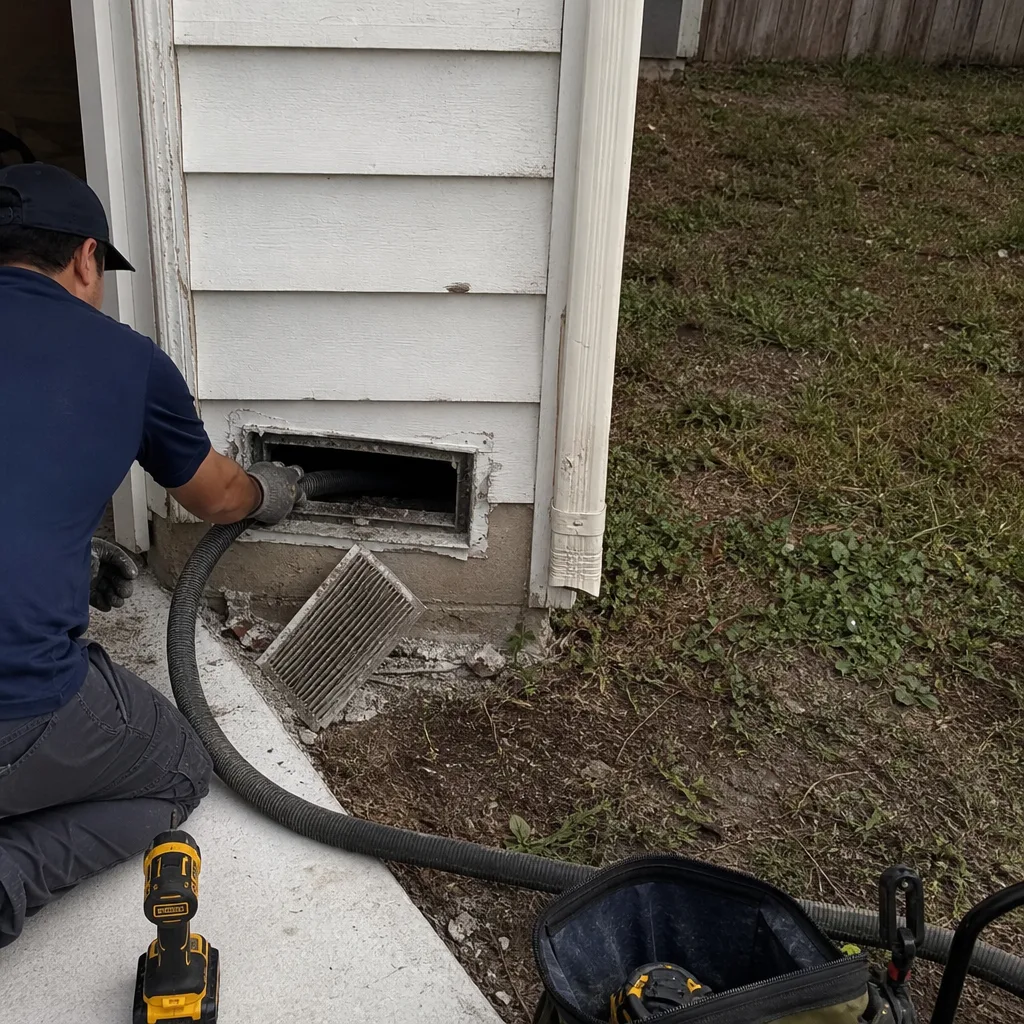 Before
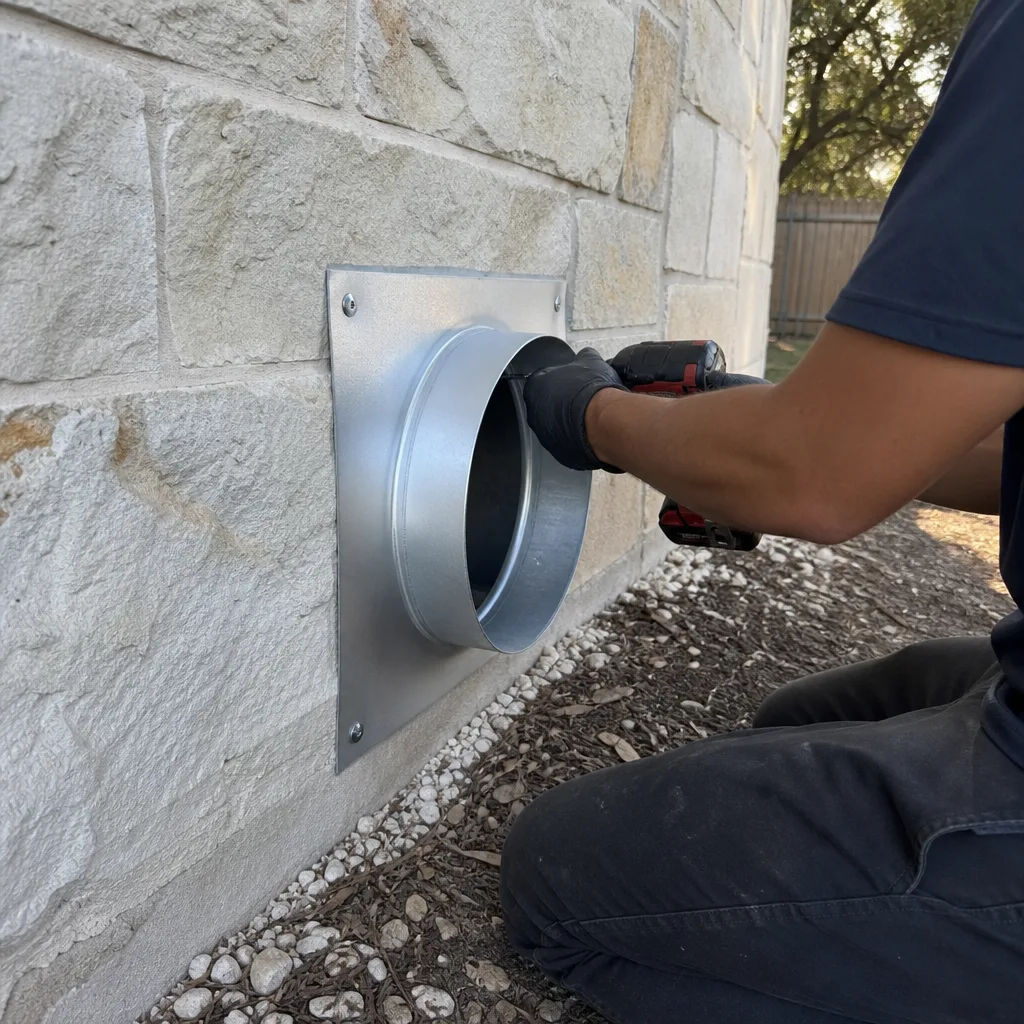 After
After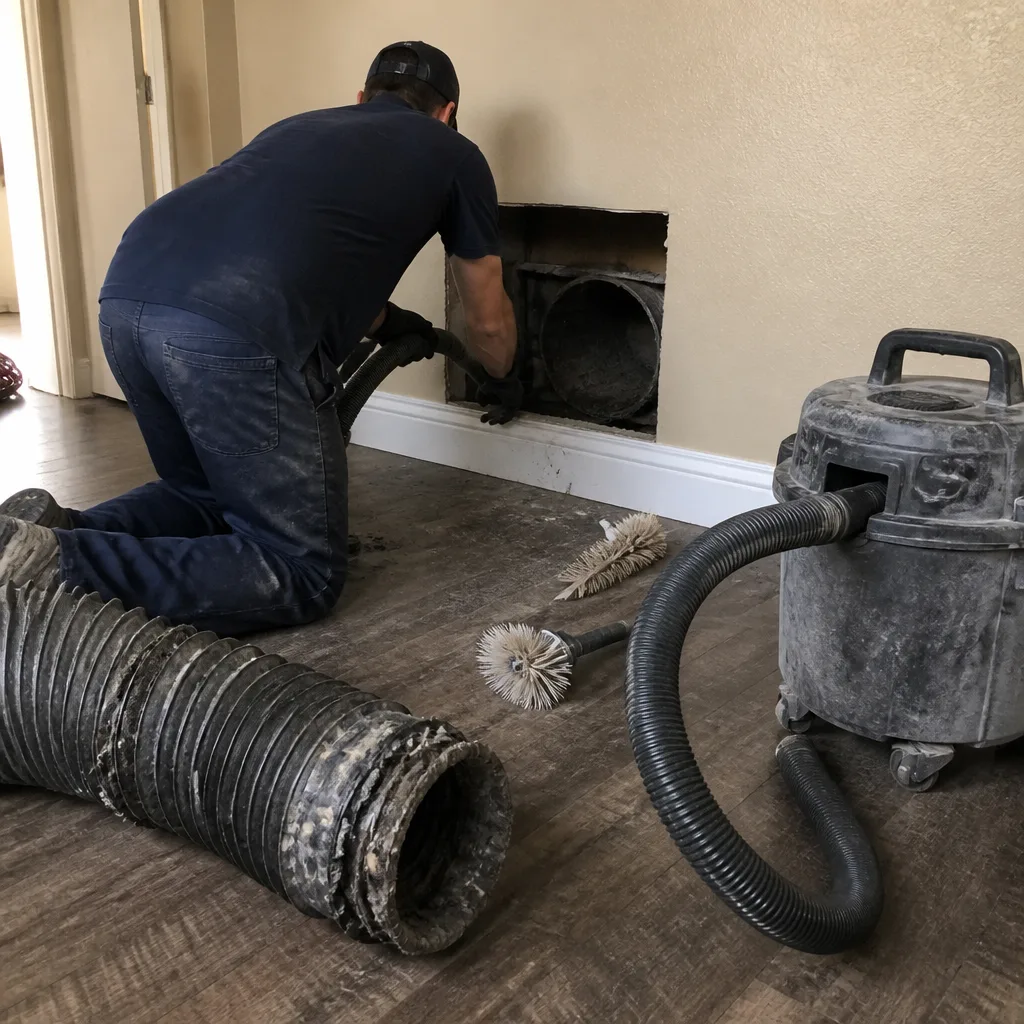 Before
 After
After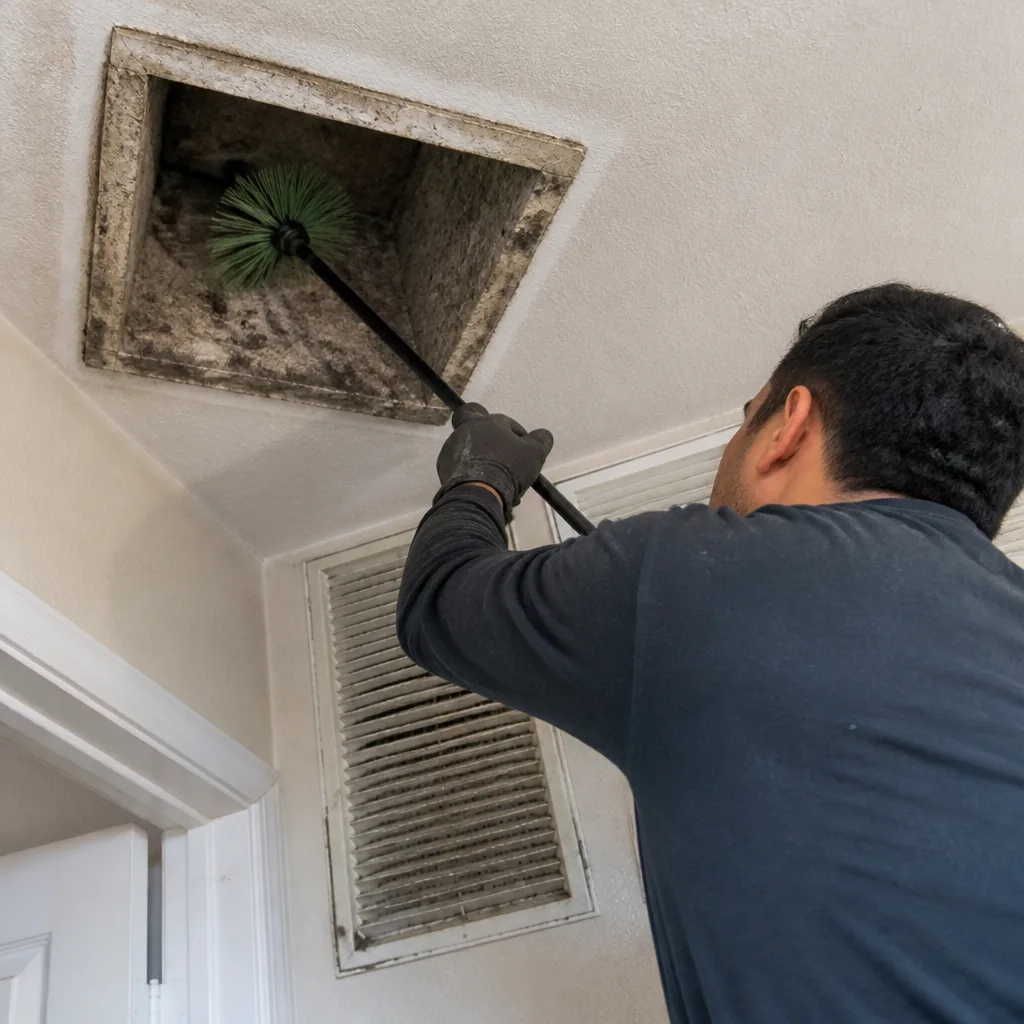 Before
 After
After