
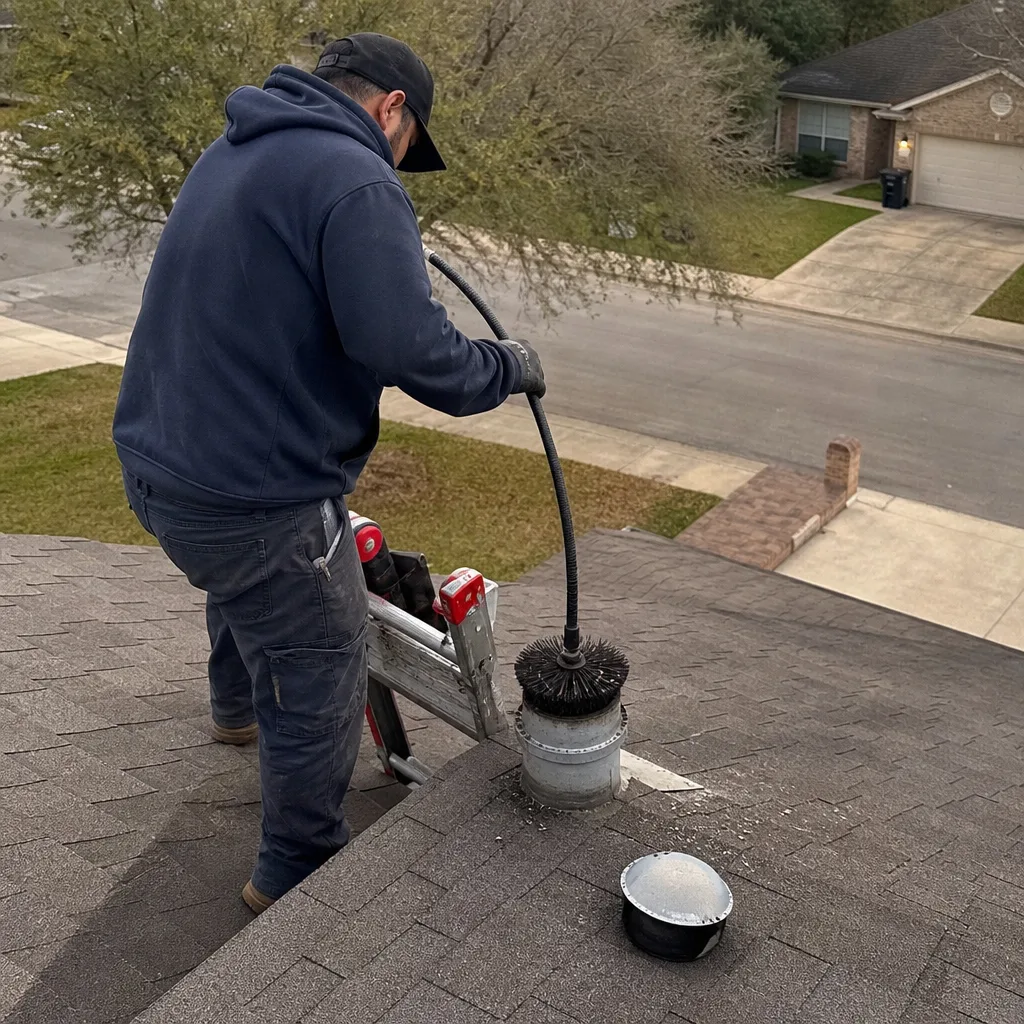
Last updated October 15, 2026
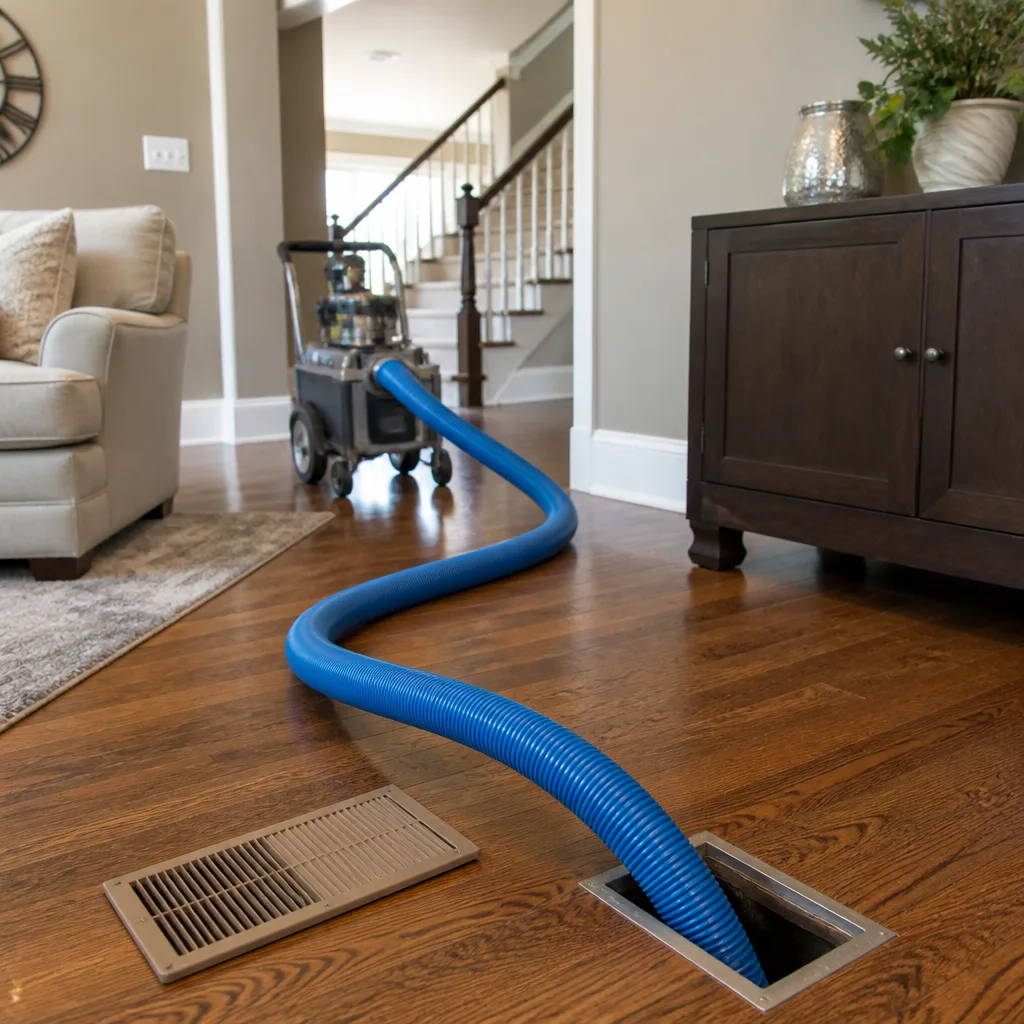 Whole-home duct cleaning
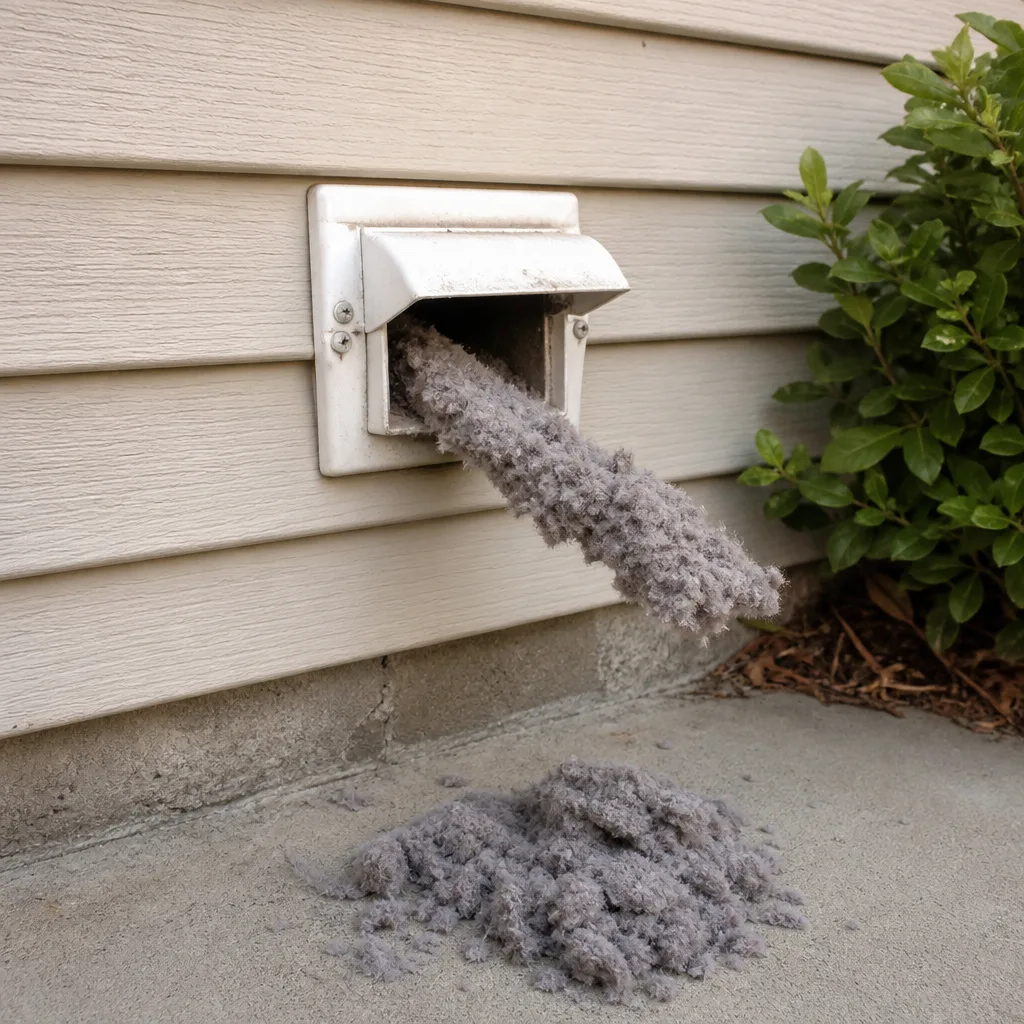 Dryer vent cleaning
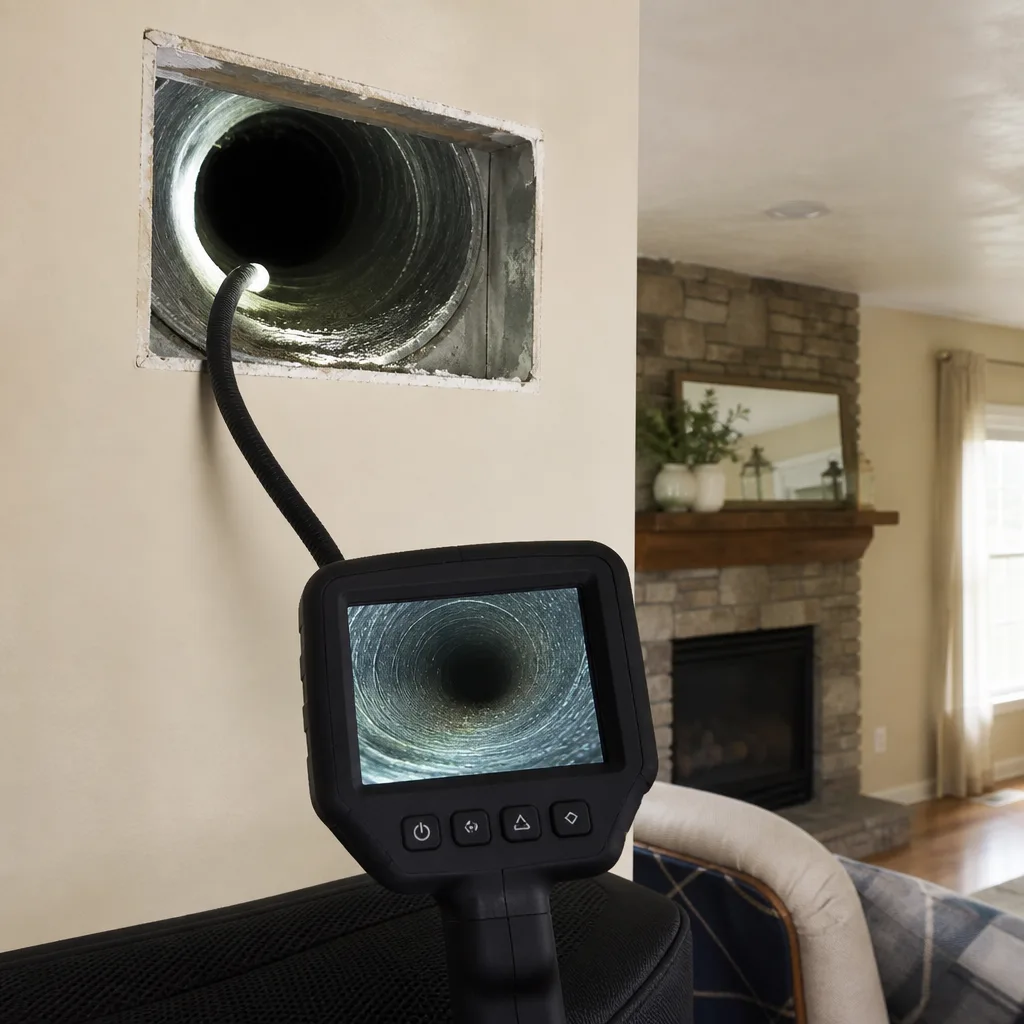 Camera inspection
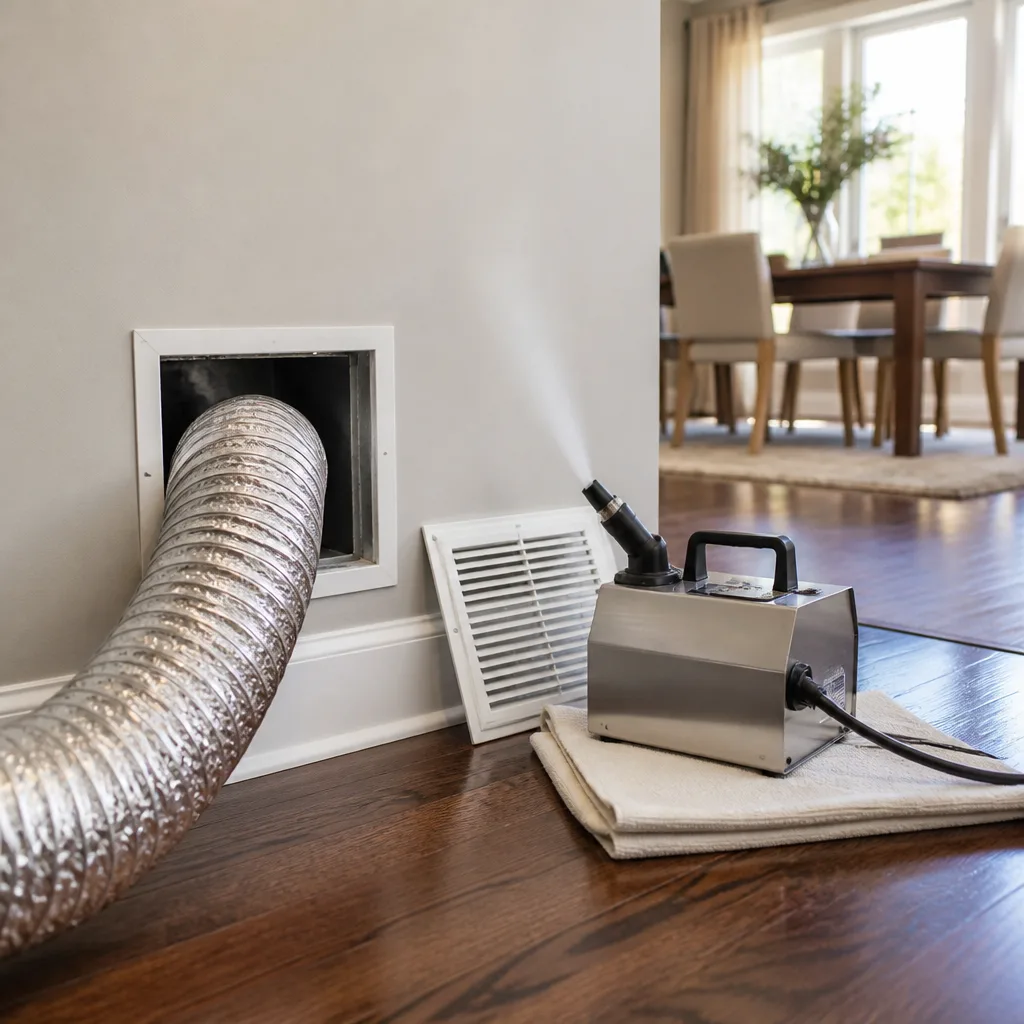 Sanitizing & deodorizing
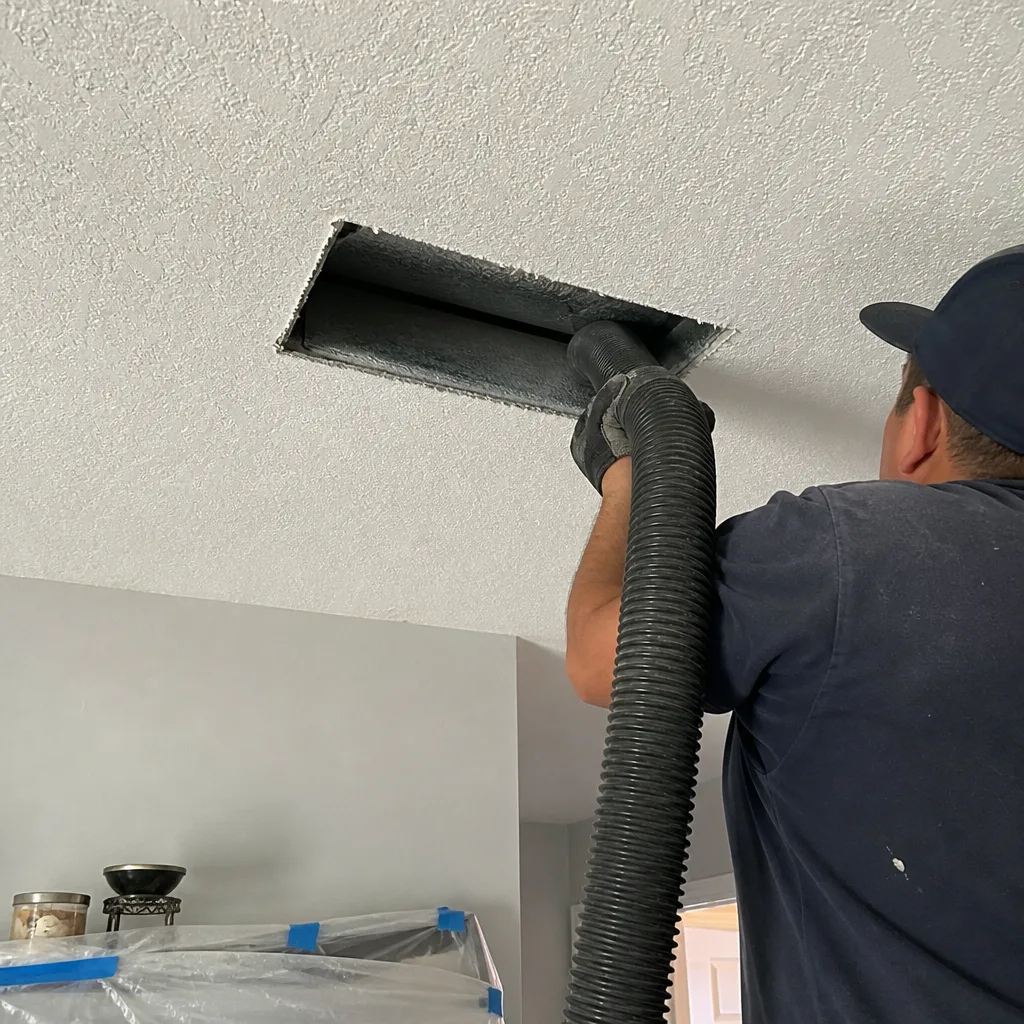
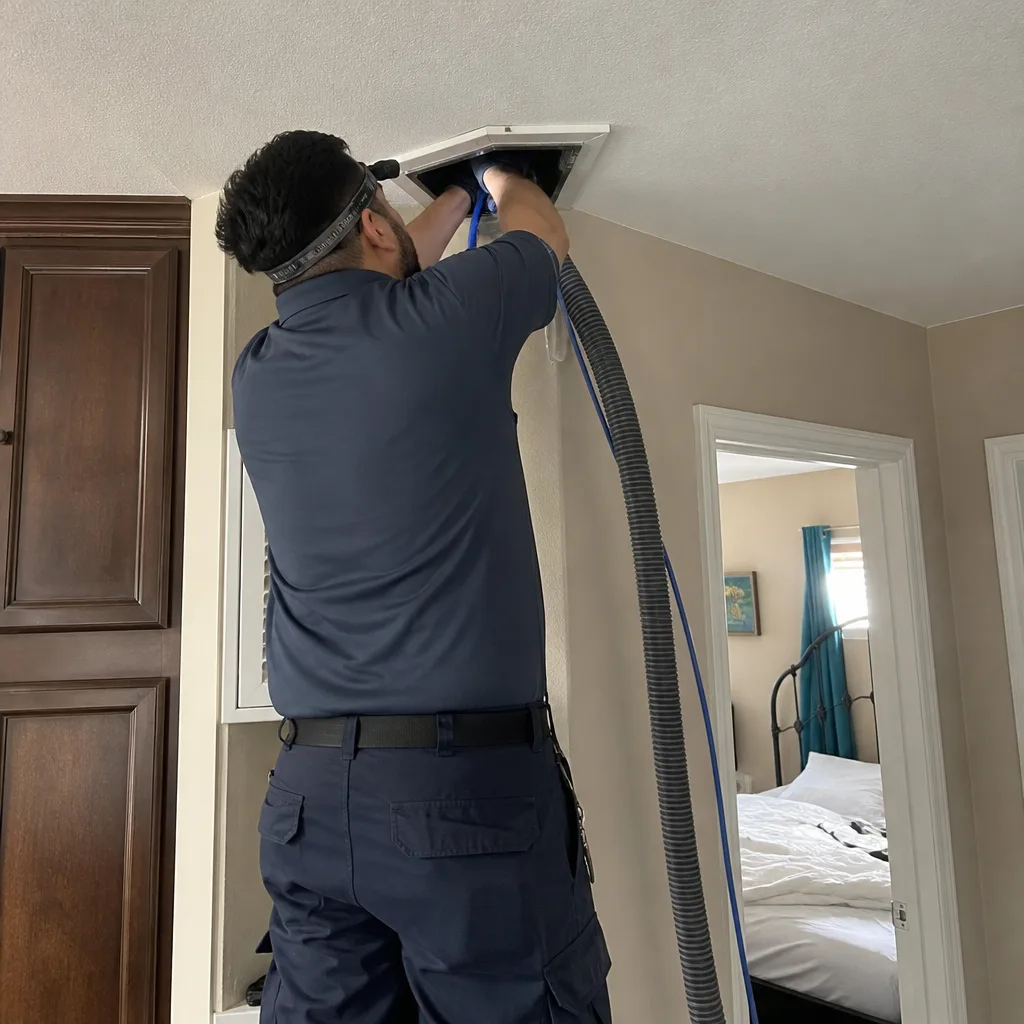
Whole-system duct and dryer vent check with before-and-after photos - you see exactly what came out of your vents
That "$99 whole-house special" is a bait ad - the real number appears once they are in your hallway, or the "clean" is a shop-vac at the register. We photograph the inside of your ducts before and after instead.
Seasonal Air Duct Cleaning Care for San Antonio: Year-Round Homeowner’s Guide
San Antonio’s air is not neutral. For about six weeks every winter, mountain cedar pollen from the Hill Country rolls into the city at concentrations high enough to turn a clean white filter yellow in under a week. For the other ten months, we deal with dust, humidity, attic heat, and the simple physics of a cooling system that runs harder than most in the country. Most homeowners think of duct cleaning as a once-a-year event. In San Antonio, that schedule leaves gaps. This guide and our Air Duct Cleaning Maintenance Checklist for San Antonio Homeowners explain what enters your ducts during each phase of the local calendar, what it does once it’s inside, and how to time professional cleanings so you’re not paying peak-season prices or breathing peak-season air. We’ll cover cedar season, spring allergy overlap, the brutal summer, and the October window that matters more than people realize.
Quick Answer
San Antonio’s climate doesn’t follow a clean four-season pattern. The city experiences a long cooling season from April through October, a short but aggressive cedar pollen spike from December through February, and two brief transition windows. Each phase deposits a different type of material in your ductwork: pollen and fine dust in winter, mold-friendly humidity and AC startup debris in spring, heat-stressed particulate from a system under constant load in summer, and accumulated residue in fall. Homeowners get the best results from two professional cleanings per year: one in late fall (after the system winds down) and one light service or filter upgrade check in mid-spring (before peak AC demand), with specific seasonal actions in between.
Styles & brands we work with
Table of Contents
- Cedar Fever Season in San Antonio: December Through February
- Spring Allergy Season and AC Startup: March Through May
- Summer Peak Load and Attic Heat Stress: June Through September
- Fall Transition and Pre-Winter Cleaning: October Through November
- When to Upgrade Your Filter Instead of Replacing on a Fixed Schedule
- How to Time Professional Cleanings to Avoid Peak Pricing
- Moisture in Dormant Ducts: The Spring Startup Problem
- Common Mistakes to Avoid
- When to Call a Professional
- Frequently Asked Questions
Cedar Fever Season in San Antonio: December Through February
Mountain cedar, technically Ashe juniper, grows thick across the Hill Country northwest of San Antonio. When December cold fronts push through, those trees release pollen in visible clouds. The pollen drifts south on north winds and settles over the entire metro area. This is not a mild allergy season. Cedar pollen counts in San Antonio routinely rank among the highest in the country during these months, and the numbers are not subtle: counts above 10,000 grains per cubic meter are common, and counts over 30,000 have been recorded multiple times.
What does that mean for your ducts? Your HVAC system pulls return air through your filter, but the filter only catches what reaches it. Cedar pollen is small enough to work past low-grade filters, and it accumulates in the return plenum, in the blower compartment, and along the interior walls of your ductwork. If you cleaned your ducts in October, you’re now running peak-season air through a system that is collecting fresh pollen every single day. The cleaning itself was not a waste, but it did not provide a shield. A professional air duct cleaning in San Antonio done in late fall removes the previous year’s accumulation. Keeping the system clean through cedar season requires a different strategy: upgraded filtration and a shorter replacement interval.
We’ve pulled filters from San Antonio homes in January that looked like they’d been in place for six months. They’d been installed two weeks earlier. That’s the cedar load. The filter is doing its job, but if it loads past capacity, air starts bypassing the filter media entirely and carrying pollen directly into the coils and ducts.
Duct-care actions for cedar season:
- Install a filter rated MERV 11 or higher during December, January, and February – a step up from the common MERV 8.
- Check the filter every two weeks, not every month. If it’s visibly loaded, replace it regardless of the calendar.
- Keep windows and doors closed on high-count days. Wind from the north and northwest means high cedar.
- Run the blower fan on “On” rather than “Auto” during peak cedar days so air keeps moving through filtration rather than sitting stagnant.
The goal during cedar season is not to clean the ducts mid-season. It’s to reduce what enters them. You’ll address what got through when the season ends.
Spring Allergy Season and AC Startup: March Through May
San Antonio’s spring overlaps with oak pollen season, which runs roughly March through May and brings a second heavy allergen load. But the more significant duct issue in spring in San Antonio is not a new contaminant. It’s what’s been sitting dormant in the system since fall.
When your AC shuts down for the season, usually in October or November, the system goes quiet for anywhere from three to five months depending on the year. During that time, whatever moisture was trapped in the system has a chance to do exactly what moisture does in a warm, dark, still environment. The interior of ductwork is not sterile. There’s household dust, skin cells, pet dander, and pollen residue. Add a small amount of condensation left over from the last cooling cycle, and you have the conditions for microbial growth. In San Antonio, where winter humidity can sit above 70% even on cool days, dormant ducts hold moisture longer than most people assume.
The spring AC startup is the single highest-risk moment for San Antonio homeowners who skipped a fall duct service. When the system kicks on for the first time, it blasts whatever grew during the dormant period directly into the living space. We’ve had calls from homeowners in Alamo Heights, Stone Oak, and Helotes describing a musty smell the moment the AC first runs in March or April. That smell is the microbial load being circulated. In many cases, the ductwork itself has to be cleaned and sanitized before the system stops pushing that odor through the house.
Spring duct-care steps:
- Before the first cooling cycle of the year, run the fan for 30 minutes with windows open to flush the system.
- Inspect the supply registers for visible mold, dust buildup, or a musty odor. If any of these are present, schedule a professional air duct repair or cleaning service in San Antonio before running the AC at full demand.
- Replace the filter with a fresh MERV 11 or higher unit before the cooling season begins.
- If you did not have a fall cleaning, spring is the second-best window. Book it before late April, when demand picks up.
Summer Peak Load and Attic Heat Stress: June Through September
San Antonio summers are not just hot. They are structurally different from most of the country. The city averages over 100 days per year above 90°F, and June through September routinely brings afternoon temperatures in the high 90s to low 100s. Attic temperatures in San Antonio homes during this period are worse: 130°F to 150°F is normal, and we’ve measured ducts in attics that were hot enough to be uncomfortable to touch.
That heat has a direct effect on duct integrity. Most San Antonio homes built in the last forty years use flex duct, which is a wire coil wrapped in fiberglass insulation and covered with a plastic or foil jacket. The plastic jacket degrades under sustained heat. It gets brittle, cracks, and eventually separates at the seams. When the outer jacket fails, two problems follow. First, the insulation loses its ability to prevent thermal gain, so the cooled air inside the duct warms up on its way to the registers. Second, the compromised duct now has openings that pull in attic air, which is not filtered and which carries fiberglass particles, dust, blown insulation, and whatever else lives in the attic space above San Antonio homes.
We’ve inspected ducts in San Antonio attics in August that were literally falling apart at the connection points. The homeowners noticed higher electric bills and rooms that never cooled evenly. When we opened the attic access, the ducts were visible in a state of collapse. Flex duct lifespan in a San Antonio attic is shorter than in cooler climates, and summer accelerates the clock.
Summer duct-care steps:
- Check the attic visually once in June for obvious duct separation, sagging, or crushed sections. You don’t need to spend an hour up there, but a quick look can catch major issues early.
- Listen for whistling or hissing sounds at the registers, which can indicate air leaking from compromised duct connections.
- If one or two rooms never cool properly even though the AC runs constantly, suspect a duct problem in the attic run serving those rooms rather than an AC equipment failure.
- Keep the cooling season filter on a 30-day replacement schedule. Summer runs longer and the system moves more air, loading filters faster.
Fall Transition and Pre-Winter Cleaning: October Through November
October and November in San Antonio are the most available months for professional Air Duct Cleaning, and there’s a simple reason: demand drops. The cooling season is ending, the cedar season hasn’t started, and the weather is mild enough that nobody’s system is running at full load. For a homeowner, that means scheduling flexibility that doesn’t exist in March or in the weeks before a cold snap.
The fall cleaning serves a specific purpose. It removes the accumulated load from the previous nine months: cedar pollen residue from winter, oak and grass pollen from spring, and the heat-stressed particulate and possible duct debris from summer. Cleaning in late fall means the system goes into its dormant winter period clean. When the heating runs during a January cold snap, it’s pushing air through ducts that have been cleared, not through a system holding a year’s worth of accumulated material.
Fall is also the right time to address any duct repairs that summer revealed. If you noticed uneven cooling in August, or if a visual check showed duct separation in the attic, October is the time to fix it. The repair does the same work it would in July, but scheduling is easier and you’re not paying a premium for emergency response during peak cooling demand. Our fall service calendar in San Antonio tends to have open windows that don’t exist during the summer months.
Fall duct-care steps:
- Schedule a professional duct cleaning in October or early November, before holiday scheduling tightens.
- Address any duct repairs identified during the summer, including separated flex connections and crushed sections.
- Use the fall cleaning as the reset point for the next cedar season.
- Ask the cleaning technician to note the condition of the ducts so you have a baseline for spring inspection.
When to Upgrade Your Filter Instead of Replacing on a Fixed Schedule
The standard advice in the duct cleaning industry is to replace your filter every 30 to 90 days. That’s useful as a general rule, but it ignores what’s actually moving through San Antonio air at any given moment. A fixed schedule treats every month as identical. A cedar season month and a mild November month are not identical. Not close.
During cedar season, a high-quality filter can load in under two weeks. Running that same filter for a full month means the last two weeks are pulling air through a saturated media, which restricts airflow and forces the blower to work harder. It also means some fraction of the air is bypassing the filter entirely and carrying pollen into the system. The fix is not complicated: check more often, and upgrade the filter rating during the high-load months.
The same logic applies to summer. San Antonio summers run long, and the AC runs almost continuously. That means more air moved through the filter per day than in a milder climate, and more loading per day. A 30-day schedule may be too long for a MERV 8 filter in July. Stepping up to a MERV 11 or MERV 13 during the cooling season and checking every 30 days makes more sense than a strict 90-day replacement schedule.
We work with filtration products from Honeywell and Aprilaire, and the difference between a standard filter and a properly rated one is measurable in what we pull out of ducts during a professional cleaning. Homes that run upgraded filtration consistently have less visible dust accumulation inside the ductwork, full stop.
Filter schedule that works for San Antonio:
- December through February: MERV 11 or higher, checked every two weeks.
- March through May: MERV 11, checked monthly.
- June through September: MERV 11, replaced every 30 days regardless of visual condition.
- October through November: MERV 8 or higher, replaced monthly during heating season.
How to Time Professional Cleanings to Avoid Peak Pricing
Duct cleaning demand in San Antonio is not flat. It spikes in two predictable windows: early spring, when allergy season pushes people to think about their air, and late summer, when AC bills are painful and homeowners look for an efficiency fix. If you schedule during those windows, you’re competing for appointment slots with everyone else who waited for the problem to become obvious.
The cleaner window in San Antonio is October and early November. The weather has turned, cooling demand is falling, and the cedar season hasn’t started. Technicians have more calendar flexibility, and you’re getting the same cleaning for the same written price without the scheduling squeeze. We’ve seen October availability that simply doesn’t exist in March, when every other home in the city is calling about the same allergy symptoms.
The second-best window is May, after the oak pollen peak and before the July heat settles in. May is a shoulder month. The system has been running for a couple of months, and a mid-season cleaning can help through the summer. But May is busier than October, and the pricing is the same either way. The difference is scheduling convenience.
What you’re avoiding by booking in October is not a price increase. Reputable duct cleaners in San Antonio price the job based on the system and the work, not the calendar. What you’re avoiding is the wait. If you call in mid-March with a system full of cedar and oak pollen, you may be two to three weeks out for a service window. If you call in October, you may be scheduled within the same week.
Moisture in Dormant Ducts: The Spring Startup Problem
San Antonio’s winter is mild by national standards, but it’s also humid. Relative humidity in San Antonio during December and January regularly sits above 70% at night, even when daytime temperatures stay in the 50s and 60s. That’s a problem for unused ductwork because the air inside the ducts cools, condenses, and provides moisture for whatever organic material is already there.
Here’s the sequence we’ve documented in San Antonio homes. The AC runs all summer, pulling air through the system and leaving behind a fine layer of dust, dander, pollen, and skin cells on the duct interior. The AC shuts down in late October. The ducts sit through a mild, humid winter with no airflow. By the time the system starts back up in March, the interior environment has been warm, dark, and intermittently damp for months. That’s the recipe for microbial growth.
The first AC cycle of spring tells you whether you have a problem. A musty odor on startup is the classic sign, and it’s not a smell that solves itself with a few days of operation. It’s a signal that the interior of your ducts is holding something that belongs in a biology lab, not in your breathing air. The solution is a professional cleaning with sanitizing treatment, ideally in the fall before the dormant period, or in early spring as soon as the odor appears.
This is also why we recommend running the blower fan for a few minutes each week even during mild weather. Moving air through the system once a week reduces the stagnant conditions that allow microbial growth to get established. The cost is minimal, and it makes the spring startup smell less likely.
Common Mistakes to Avoid
- Cleaning once in the fall and assuming you’re covered until next fall. Cedar season runs December through February, and it moves enough pollen through your system to undo a fall cleaning within weeks. You need upgraded filtration and more frequent filter checks during that window, not another cleaning.
- Using a fixed 90-day filter schedule all year. San Antonio’s air moves through phases, and a MERV 8 filter that’s fine in November is useless by mid-January. Adjust the filter by season, not by calendar.
- Ignoring a musty odor on spring AC startup. That smell is a warning sign from the dormant period, and it doesn’t clear on its own. Running the system with microbial growth in the ducts just distributes it through the house.
- Assuming uneven cooling means an AC equipment problem. In San Antonio, it’s often the ducts. Attic heat damages flex duct faster than in cooler climates, and a separated connection in the attic will make one room hot while the rest of the house is fine.
- Waiting until cedar season peaks to call for a cleaning. By the time pollen counts are hitting five figures, everyone is calling. You’ll wait longer for the same service you could have scheduled in October.
- Never looking in the attic. A two-minute visual check once a year catches duct separation before it becomes a summer-long comfort problem and a higher electric bill.
When to Call a Professional
Some duct issues are visible and simple to spot: a crushed flex duct in the attic, a register blowing weakly, a filter that loads in days. But the interior condition of your ductwork is not something you can assess from the outside. If you notice a musty odor on startup, visible mold at the registers, unexplained dust accumulation on furniture despite regular filter changes, or rooms that never cool evenly, the next step is a professional inspection. A proper assessment requires looking inside the system, measuring airflow, and checking the condition of the ducts in the attic. Linden Air Duct San Antonio offers free estimates in San Antonio – call (430) 233-7681 to schedule an inspection at your home.
Frequently Asked Questions
San Antonio’s climate supports a two-part schedule: a full professional cleaning in late fall (October or November) to reset the system, and a lighter service or inspection in late spring to address anything the cedar and oak seasons left behind. Homes with pets, smokers, or residents with severe allergies may benefit from two full cleanings per year. If you want an exact recommendation for your home, call (430) 233-7681 and we’ll walk through your system with you.
Air duct cleaning in San Antonio typically costs between $350 and $650 for a standard single-family home, depending on the number of returns, the length of the duct runs, and the condition of the system. Larger homes, homes with multiple systems, and systems requiring sanitizing or significant repair work run higher. Reputable companies put the price in writing before work begins. If a quote seems too low to be real, it usually is: the low-ball price becomes a much larger invoice once the technician is in the attic. Call (430) 233-7681 for a free, written estimate.
Cheap duct cleaning quotes typically come from companies using minimal equipment and short service windows, or from companies that plan to upsell aggressively once they’re in your home. A proper cleaning uses negative-pressure extraction with professional-grade equipment, and the job takes hours, not minutes. The price difference usually reflects what’s not being done. We run equipment from Nikro and Rotobrush, and we put a written price in front of you before any work begins, so the number you agree to is the number you pay.
No. A mid-season cleaning during peak cedar season doesn’t help much, because the system will start collecting new pollen immediately. The better approach is to upgrade your filter to MERV 11 or higher, check it every two weeks, and schedule your next professional cleaning after the season ends. A fall cleaning that addressed the previous year’s accumulation is more useful than trying to clean during peak pollen load.
Ask for before-and-after photos. Any reputable duct cleaning company in San Antonio can and should provide photos of your duct interiors before and after the cleaning, taken during the job. Beyond that, the practical signs are reduced dust on furniture, improved airflow from the registers, and the absence of a musty odor on startup. If a company won’t show you what the inside of your ducts looks like before and after, that’s a reason to choose someone else.
You can clean your supply registers and replace your filters yourself, and you should. But the interior of the duct runs is a different job. Proper duct cleaning requires negative-pressure equipment that pulls debris out of the system rather than blowing it around, and it requires access to the full length of the ductwork, including sections in the attic that are hot, cramped, and easy to damage. The equipment cost alone exceeds what a professional cleaning costs in San Antonio, and the risk of damaging flex duct or missing contamination is high. This is one job where the professional service is the better value. For related advice, explore more guides & resources on our blog.
The Bottom Line
San Antonio’s air moves through four distinct phases every year, and each one deposits something different inside your ductwork. Cedar pollen loads the system December through February. Spring brings the AC startup risk and oak pollen. Summer’s attic heat damages the ducts themselves while the system runs at maximum load. Fall is the reset point: the most available service window, the right time to repair summer damage, and the best preparation for the dormant winter period. The homeowner who understands this cycle runs cleaner air year-round, and doesn’t pay peak-season prices to get it. If you want a professional look at your system, Linden Air Duct San Antonio offers free estimates throughout the city, and we also provide dryer vent cleaning in San Antonio as part of a full home air system service. Call (430) 233-7681 for a written quote before any work begins.
Written by Marcus Veale, Owner at Linden Air Duct San Antonio, serving San Antonio since 2004.
See the difference
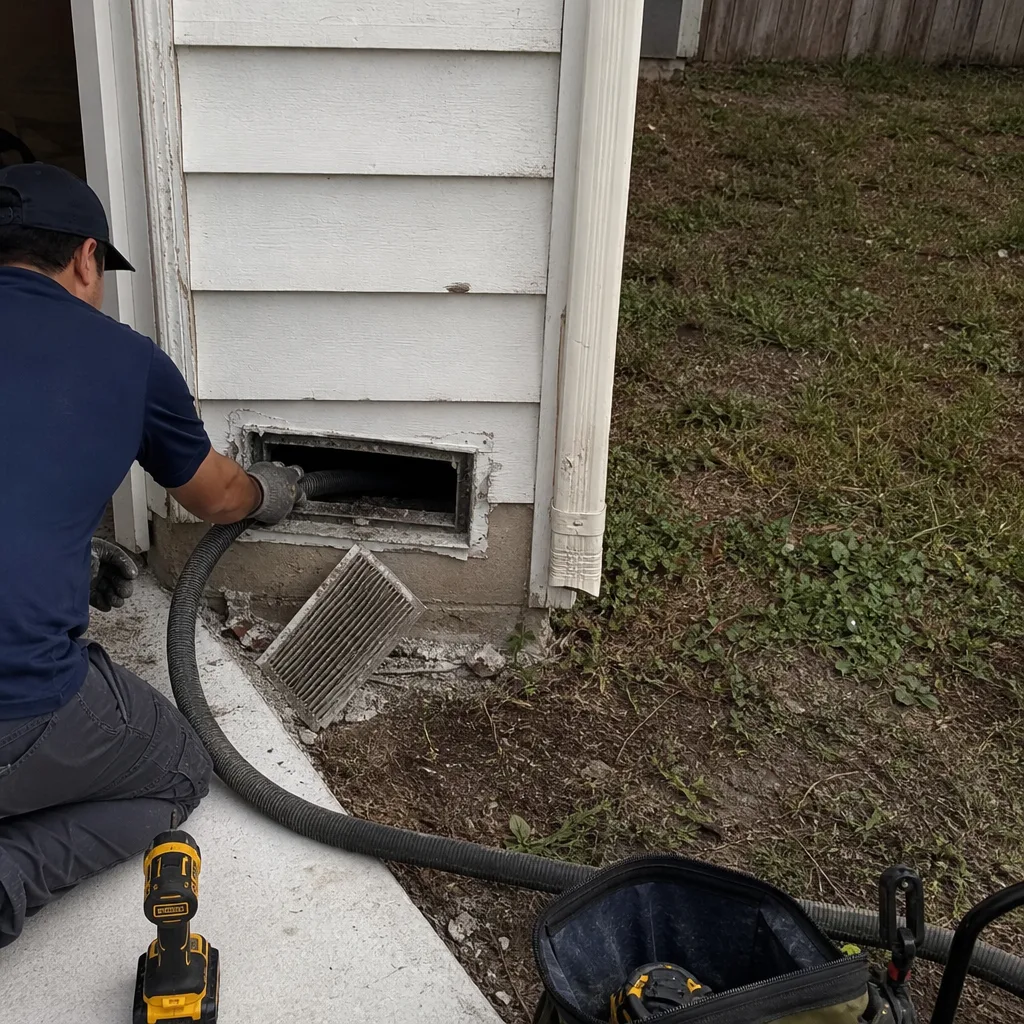 Before
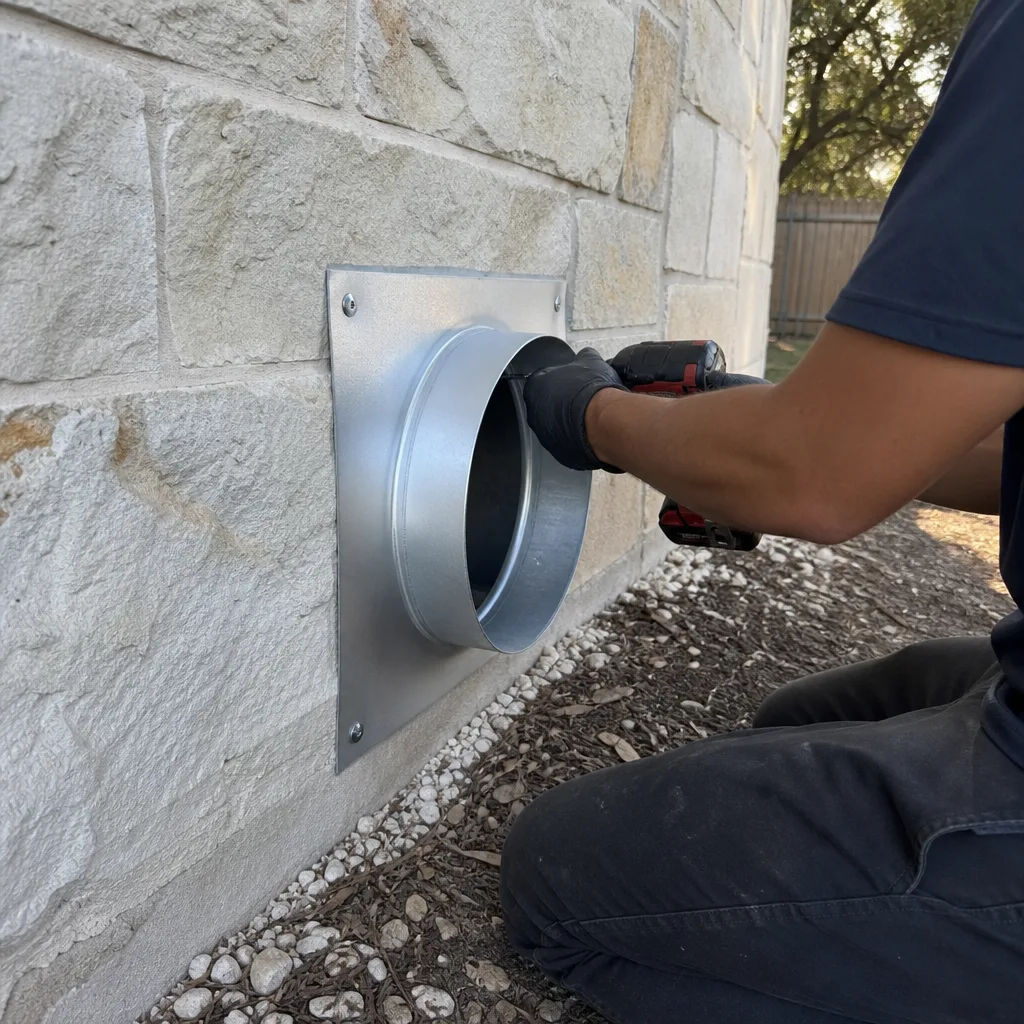 After
After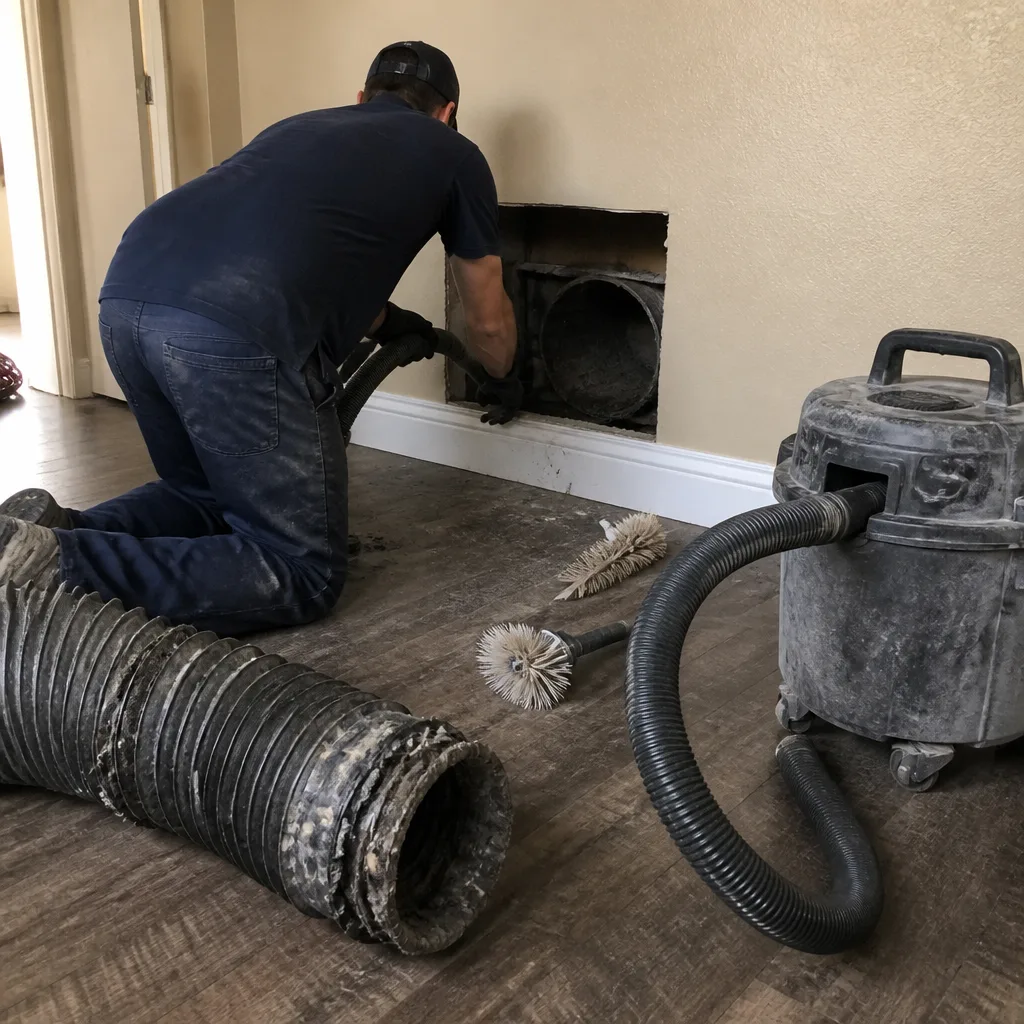 Before
 After
After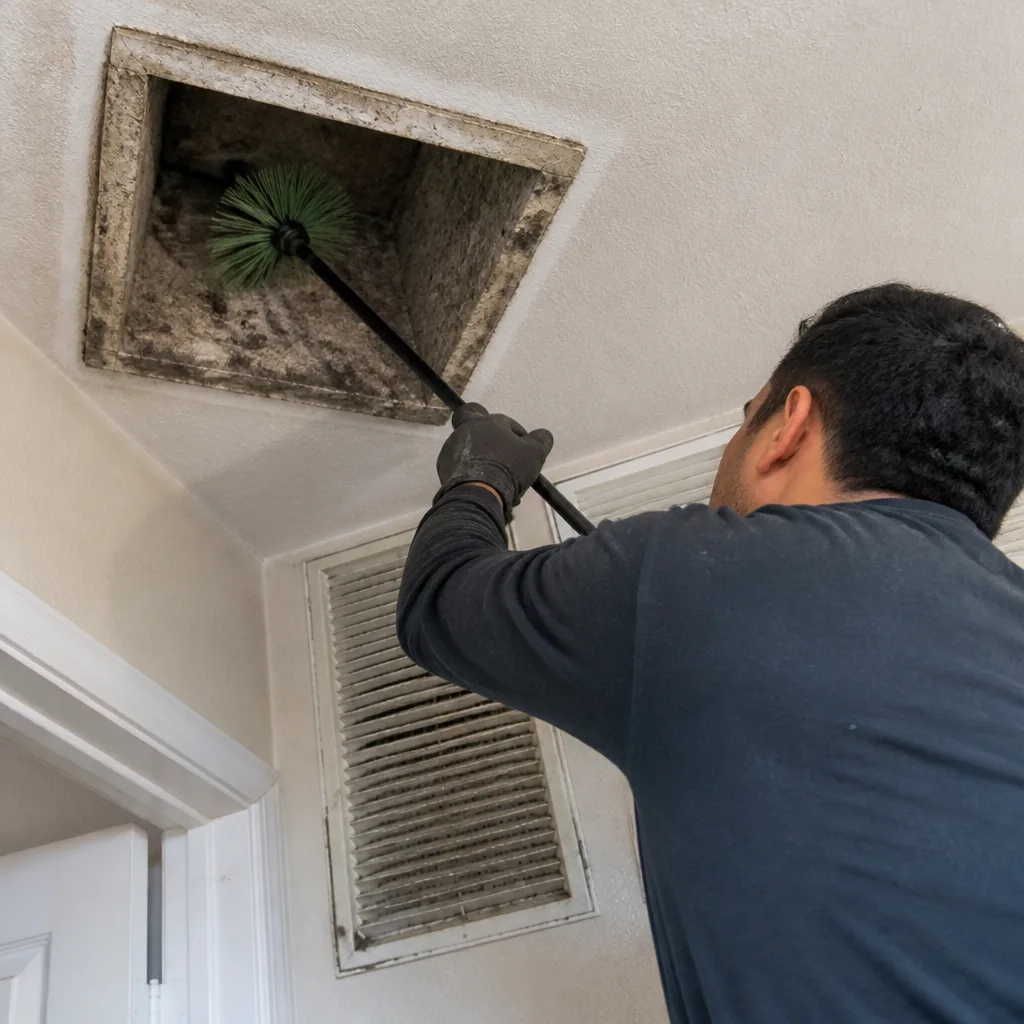 Before
 After
After