
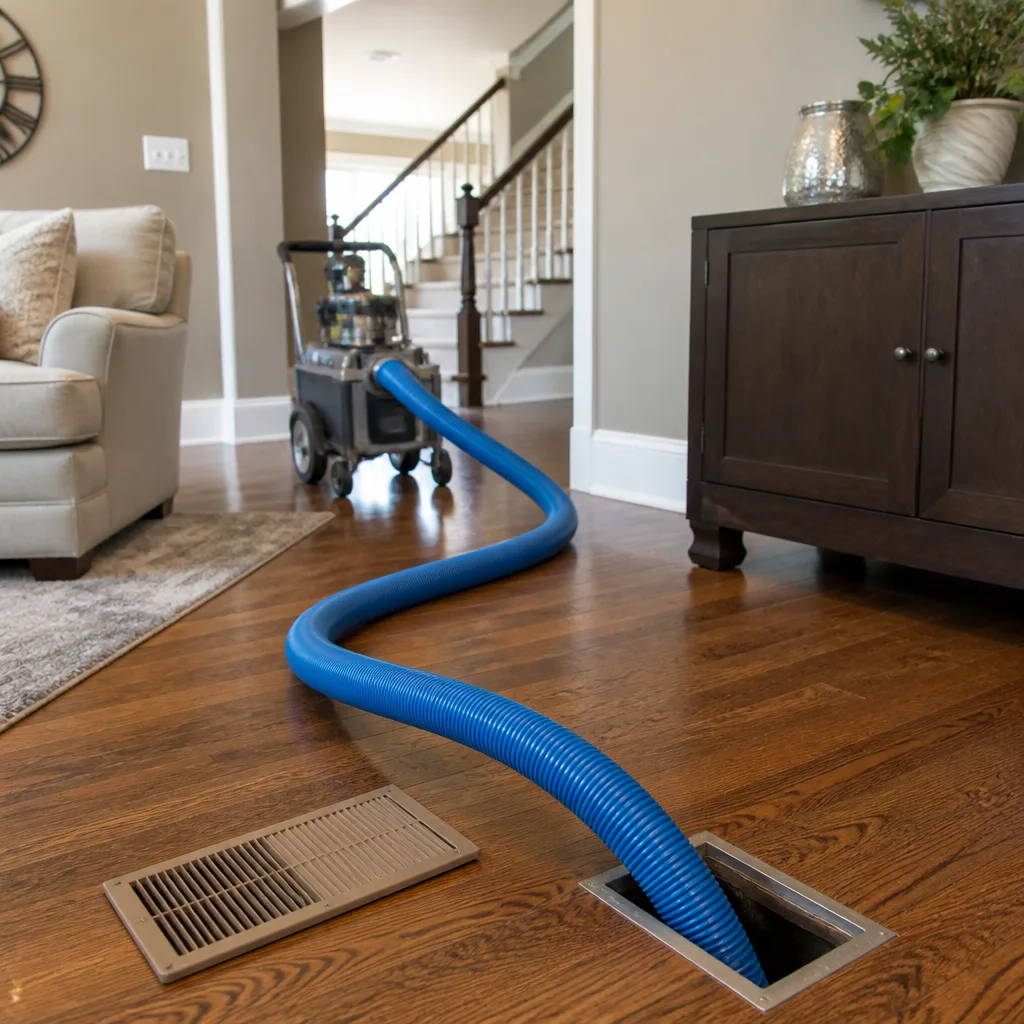
 Whole-home duct cleaning
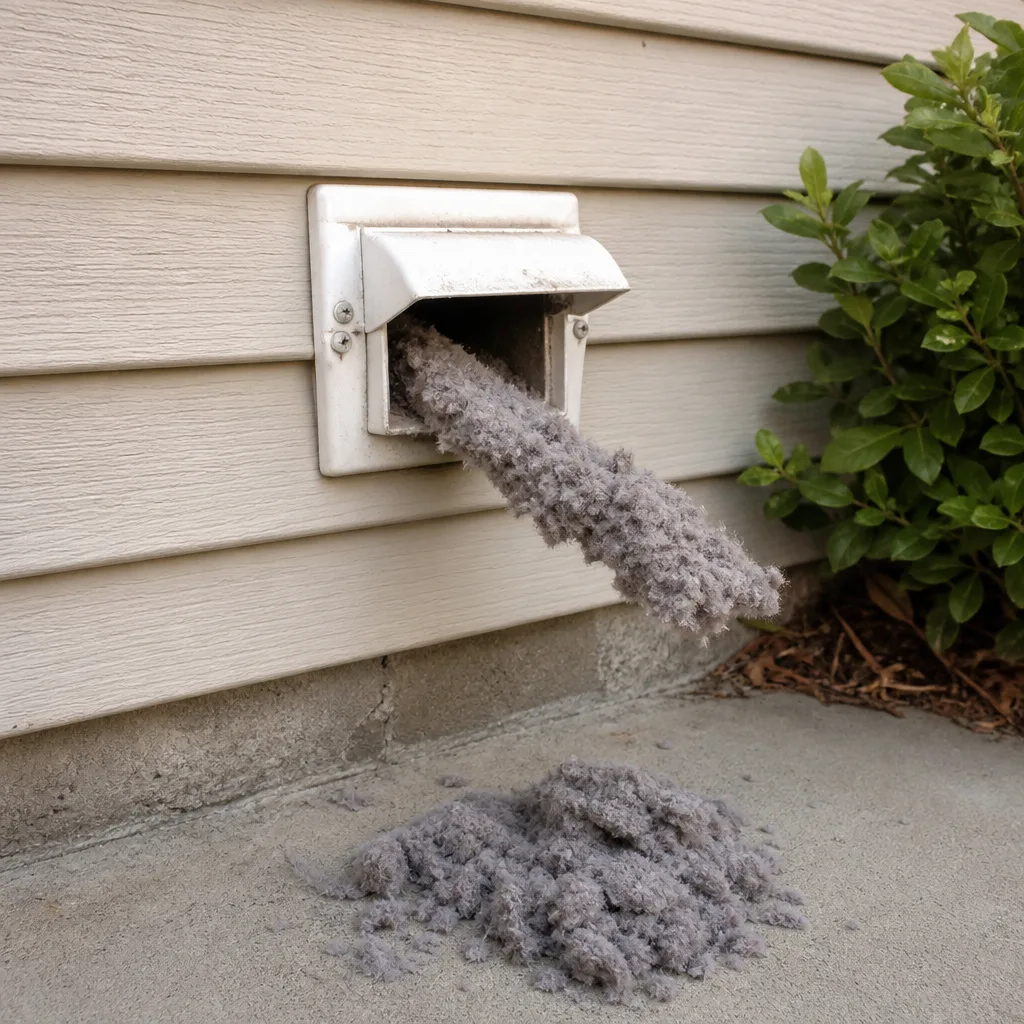 Dryer vent cleaning
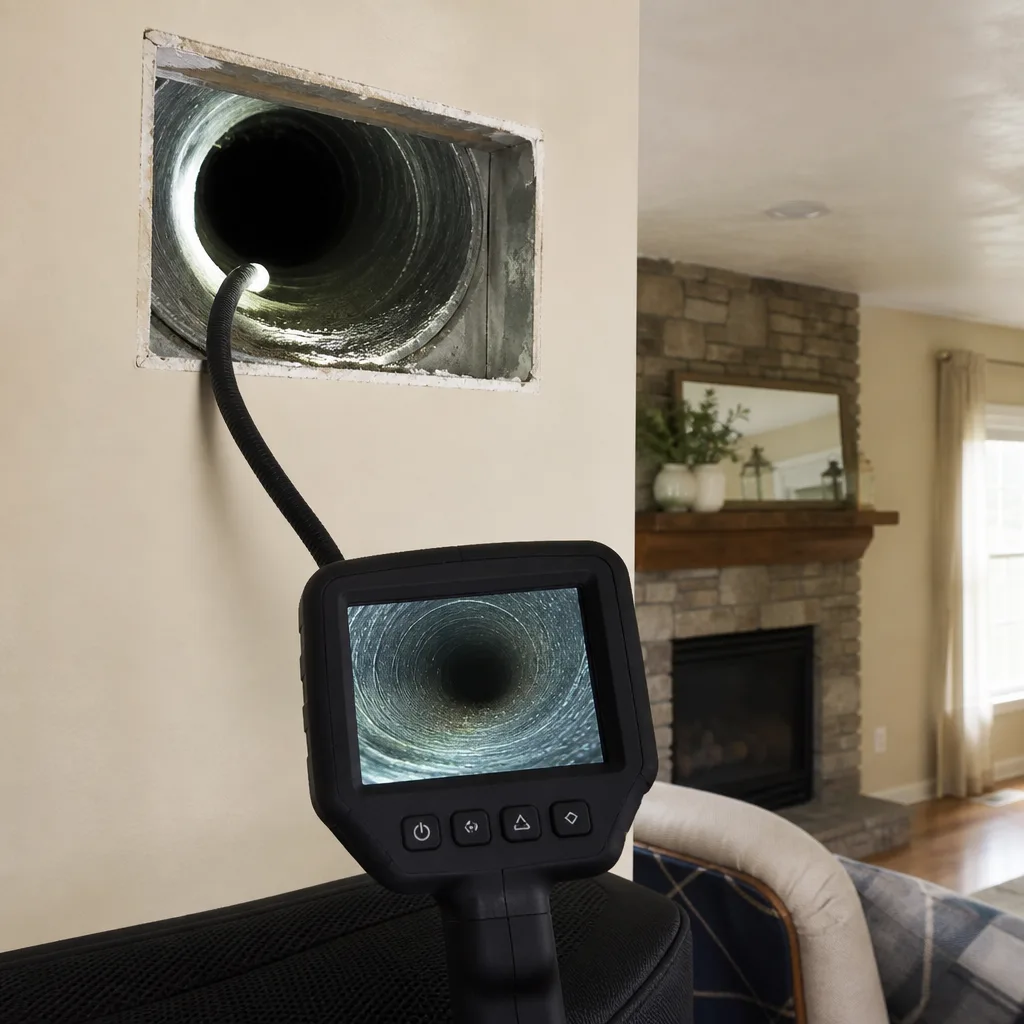 Camera inspection
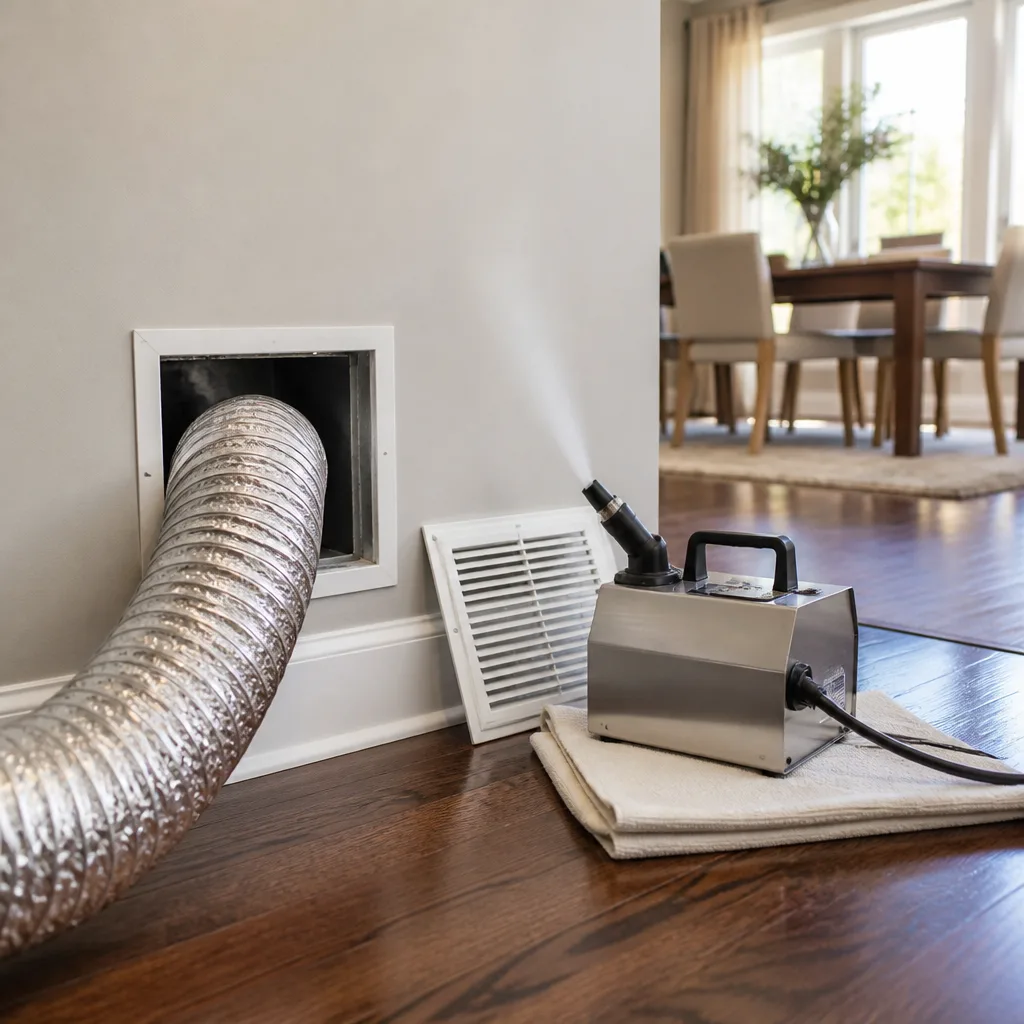 Sanitizing & deodorizing
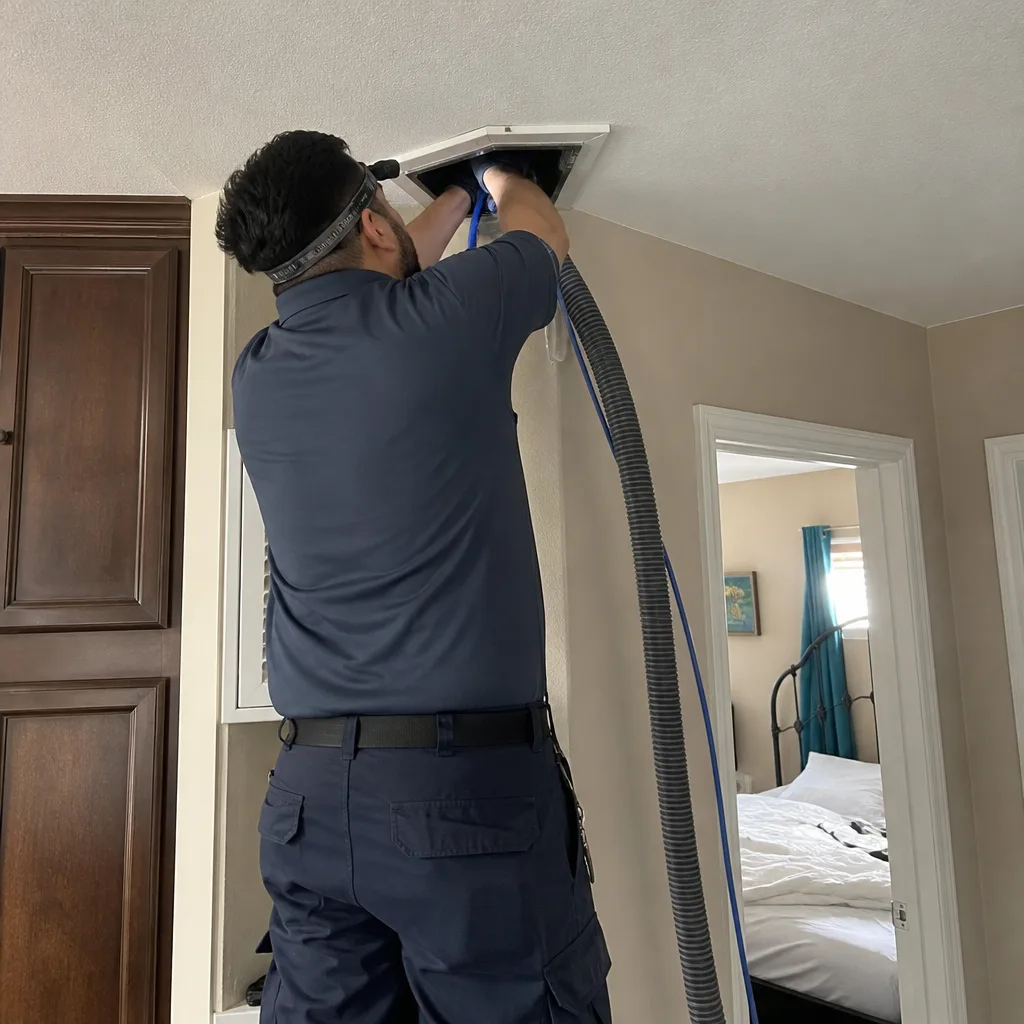
Whole-system duct and dryer vent check with before-and-after photos - you see exactly what came out of your vents
That "$99 whole-house special" is a bait ad - the real number appears once they are in your hallway, or the "clean" is a shop-vac at the register. We photograph the inside of your ducts before and after instead.
Honeywell Coil Cleaning: The San Antonio Owner’s Guide
Honeywell coil cleaning in San Antonio typically costs $180 to $390 for a full evaporator coil cleaning on a residential system, including inspection, access, chemical cleaning, and reassembly. If the condenser coil outside needs it too, expect $120 to $220 on top, depending on how much South Texas cottonwood, live oak pollen, and construction dust has packed into the fins. Most owners discover their coil needs attention when the system runs constantly but the house won’t hold 78 degrees, or when the utility bill arrives and it’s thirty percent higher than the same month last year. We carry Honeywell-compatible coil cleaning equipment and chemicals on the truck, and we can usually get to a San Antonio coil job within a few days of your call.
Key Takeaways
- Typical installed cost in San Antonio: $180 to $390 for the interior evaporator coil, $120 to $220 for the exterior condenser coil
- Biggest local culprit: cottonwood season (March through May) and live oak pollen in the spring, plus hard water scale buildup year-round
- Honeywell coils are brand-specific: the coil cleaner type and dilution ratio depend on your unit’s age and fin spacing
- We stock Honeywell-compatible cleaning products so there’s no second trip for parts or chemicals
- Written price before work starts – always, no exceptions – and a written guarantee with every job
If your Honeywell system has a coil that’s never been cleaned and it’s been in a San Antonio attic for five or six summers, you’re not dealing with a small maintenance task anymore. You’re dealing with a coil that’s been baking in 140-degree attic heat, coated in a paste of dust, pollen, and humidity that turns the fins into a blanket. That’s a coil that’s working twice as hard to do half the job, and it’s exactly what we see when we open units in older neighborhoods like Jefferson and Monticello Park, where the original equipment was installed decades ago and has never once been pulled for service.
Which Honeywell Models This Applies To
Honeywell doesn’t manufacture its own HVAC coils directly – the Honeywell name is carried on thermostats, controls, zoning systems, and air-quality products, while the coil itself is often paired with a specific air handler or furnace brand. That said, San Antonio homes with Honeywell controls and zoning systems still need coil cleaning on whatever coil sits in the plenum above the furnace or in the attic air handler. The compatibility question isn’t “which Honeywell coil” – it’s “which coil is matched to your system, and what’s its fin spacing and access situation.” We see Honeywell TrueZONE and Honeywell Prestige thermostats controlling coils made by Lennox, Trane, Carrier, and others across San Antonio, from Dominion to Stone Oak to Helotes. The coil doesn’t care what thermostat is calling for cooling. What matters is whether it’s a slab coil, an A-coil, or a cased coil, and how the drain pan and plenum are arranged for cleaning access.
On the parts and chemicals side, we use Honeywell-compatible coil cleaning solutions formulated to match the fin material on your specific coil. Aluminum fins need a different cleaner than copper fins with aluminum fins on copper tubing. A cleaner that’s too acidic will eat the fins and you’ll be replacing a coil instead of cleaning it. This is a real gotcha in San Antonio: because our water is hard – we’re talking 10 to 14 grains per gallon depending on the aquifer and municipal blend – evaporator coils develop calcium scale that’s not like dust. It’s mineral deposits baked into the coil surface. A general-purpose cleaner won’t touch it. You need the right dilution ratio and dwell time for the scale we see here, not the scale they see in a humid coastal market with soft surface water. That’s the kind of thing you can’t learn from a YouTube video.
Styles & brands we work with
Signs Your Honeywell Coil Cleaning Is Failing
- Your system runs constantly but rooms won’t cool below 80 degrees. A dirty coil can’t transfer heat, so the system keeps running but the thermostat never satisfies. Over in Alamo Heights, where many homes still run original 1990s Lennox or Carrier air handlers on Honeywell controls, this is the number one call we get every August.
- The air coming from your registers feels weak, even with a clean filter. A coil caked with dust and scale blocks airflow through the plenum. If you’ve checked the filter and the blower is running, the coil is almost always the next choke point.
- Your outdoor unit’s fan runs but the air it’s blowing is lukewarm instead of hot. The condenser coil outside is rejecting heat. If it’s been packed with cottonwood fluff from the San Antonio river basin or construction dust from new builds along Culebra Road, that heat has nowhere to go, so the refrigerant pressure spikes and the system limps along.
- You see ice forming on the copper refrigerant lines at the indoor coil, even in July. A neglected coil restricts airflow enough that the refrigerant temperature drops below freezing and ice forms. Then the ice blocks airflow more, and you’re in a cycle that ends with a thawed coil flooding the drain pan and water damage around the air handler.
- Your electric bill jumped sharply in a summer month with typical temperatures. A dirty coil makes the compressor work harder for the same cooling. We’ve had San Antonio customers send us June-over-June bills showing a 30 to 40 percent jump, and when we open the coil, the answer is sitting there in a layer of gray sludge.
Replacement Cost & What’s Included
In San Antonio, you should expect to pay between $180 and $390 for a complete evaporator coil cleaning, and $120 to $220 for the condenser coil outside. The range depends on access: a cased coil with a front access panel in a first-floor closet is straightforward; an attic A-coil buried behind a plenum in a tight Stone Oak attic with 22 inches of clearance is a different job. It also depends on how long the coil has been neglected. A coil that’s been cleaned every two years needs a standard chemical wash. A coil that’s never been touched in eight years needs a deep-clean approach that takes longer and uses more product. We’ll tell you before we start which category yours falls into, and we’ll put that price in writing. What’s included: full inspection of the coil condition and drain pan, access panel removal, chemical cleaning with the correct cleaner for your fin material, condensate drain line flush, reassembly, and a system run-test to verify coil delta-T before we leave. Every job is backed by our 365-Day Done Right Promise: if something isn’t right, we come back and make it right, in writing, no charge.
See the difference
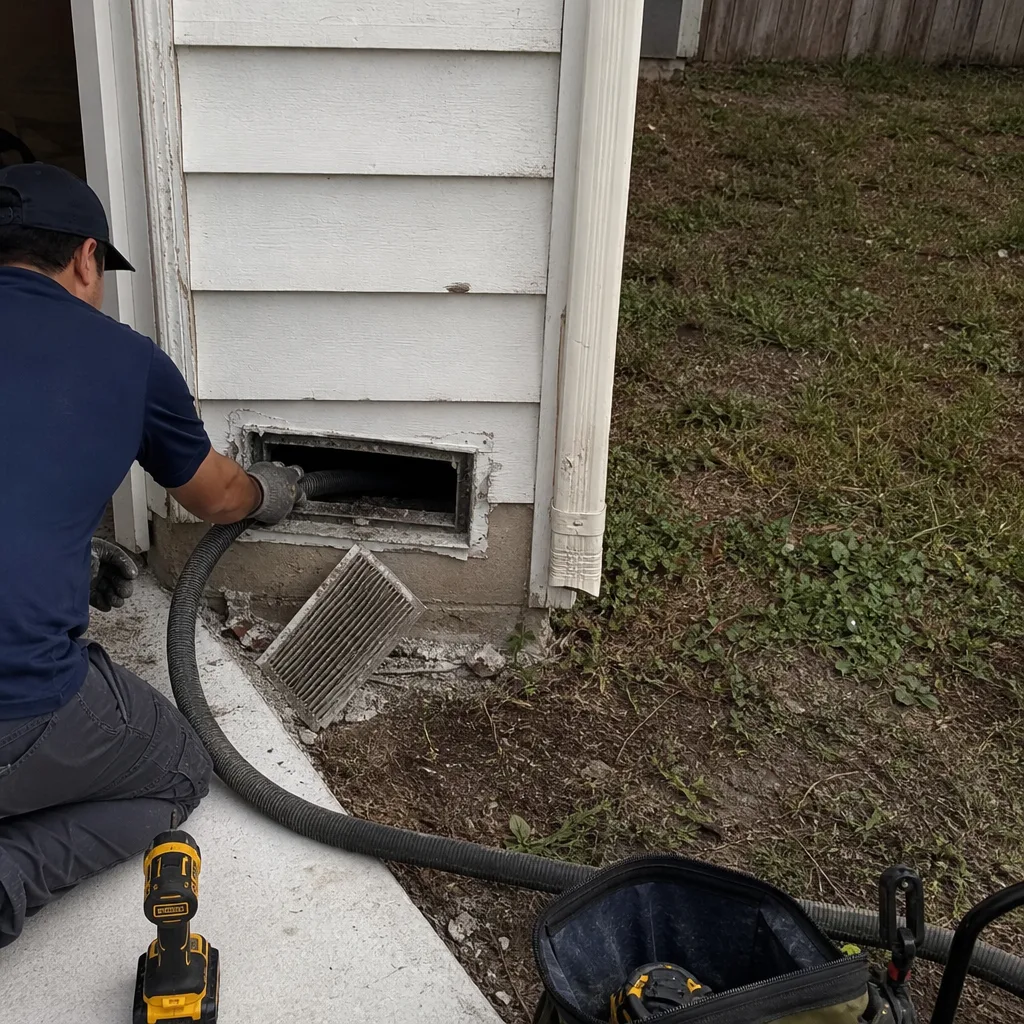 Before
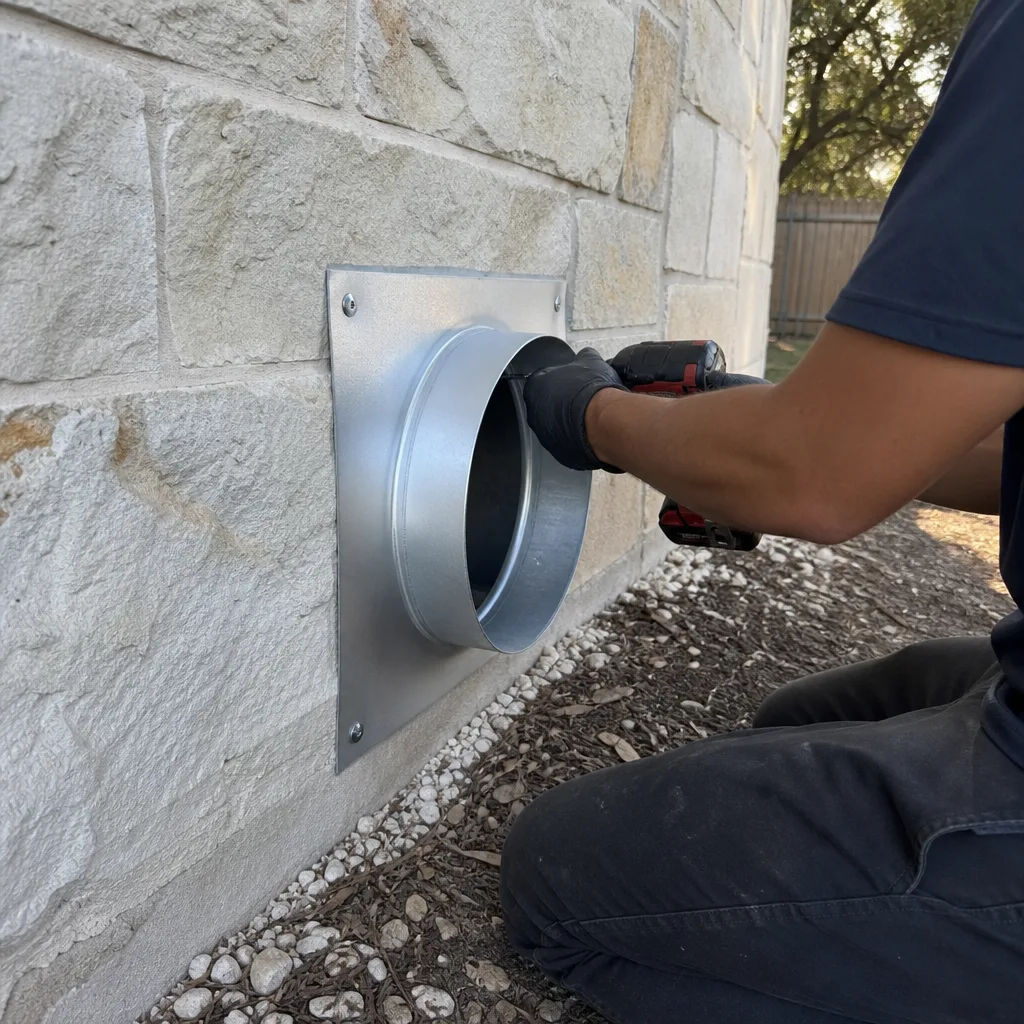 After
After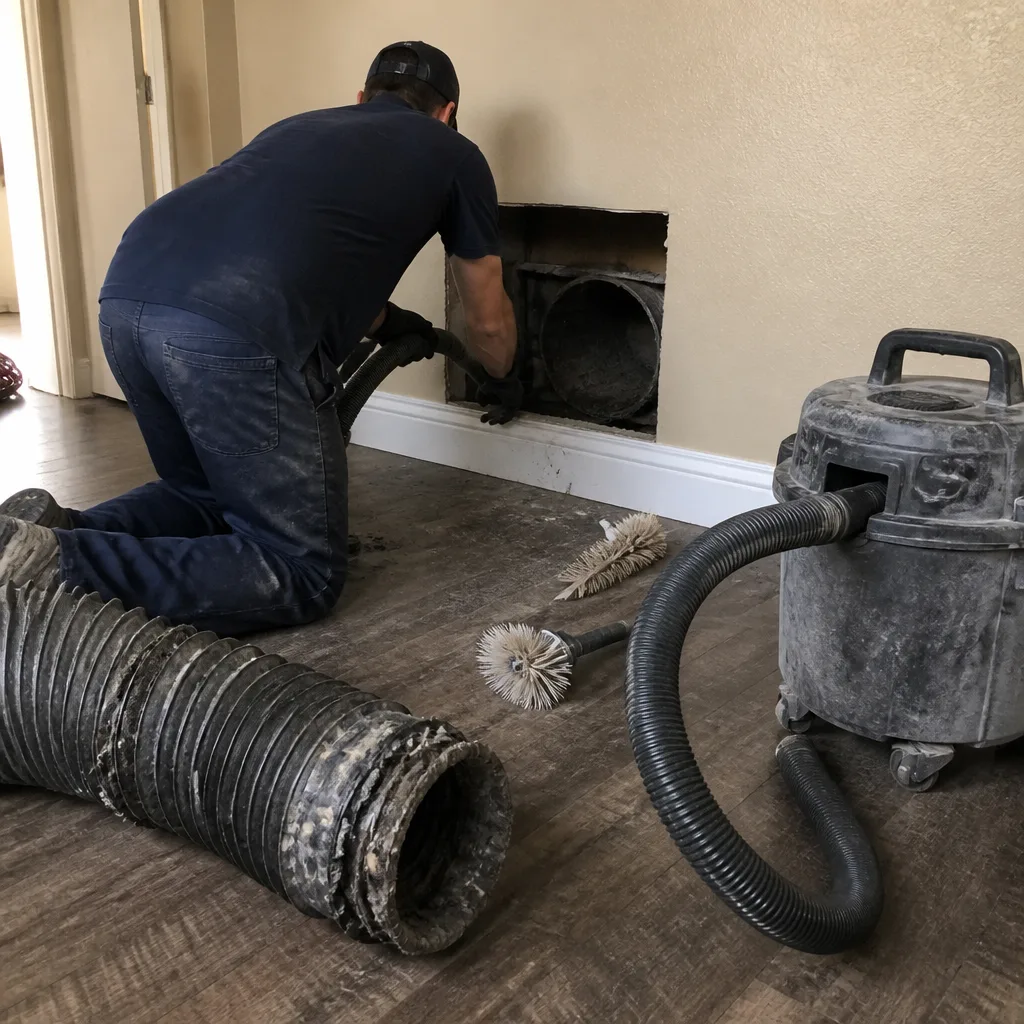 Before
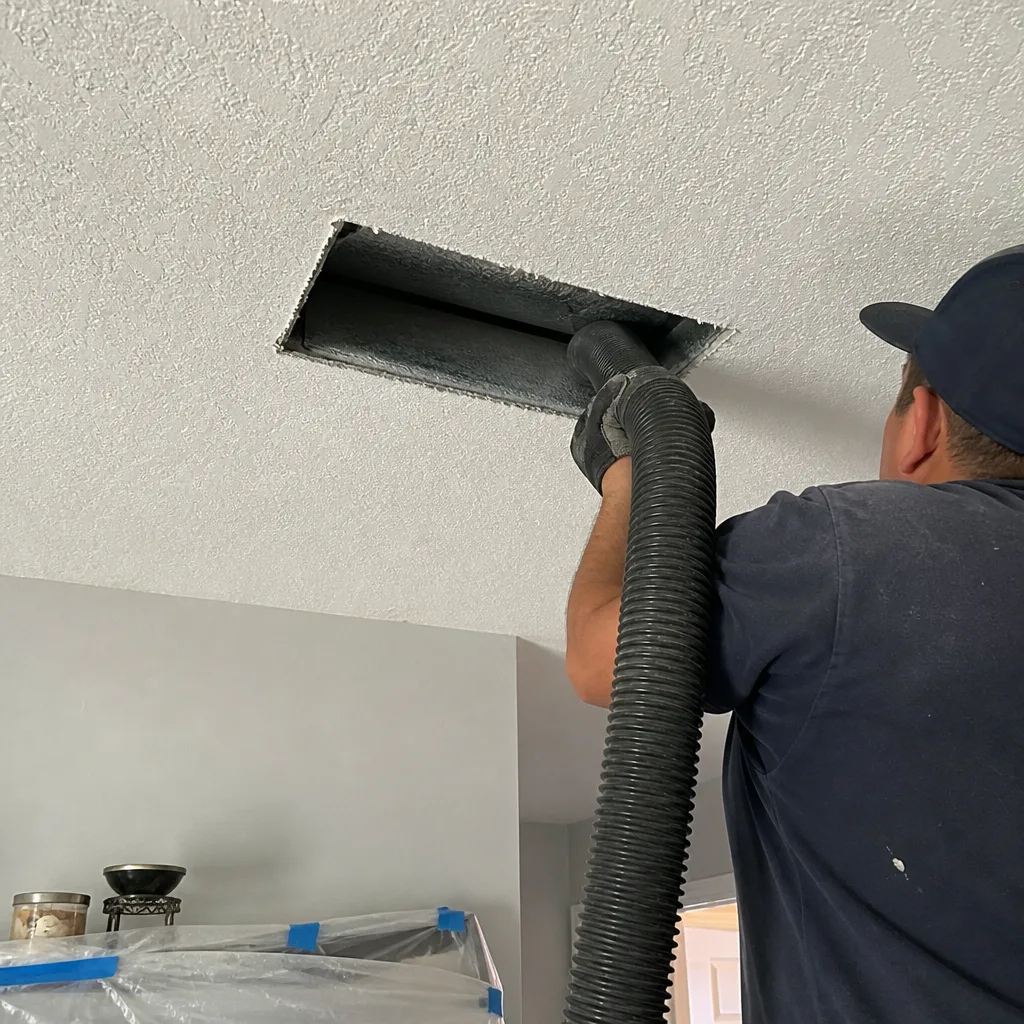 After
After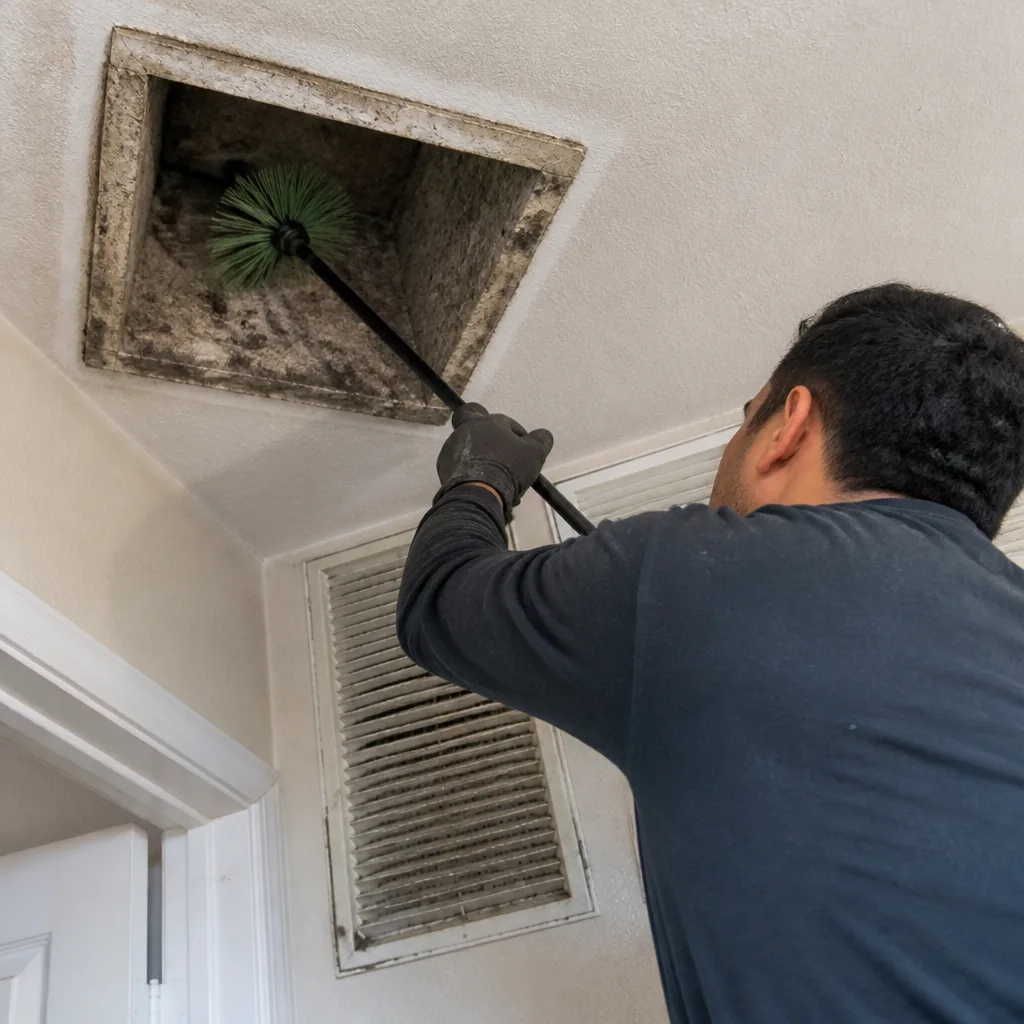 Before
 After
AfterDIY or Call Us?
You can safely check a few things yourself. Pull the filter and shine a flashlight into the coil area – if you can see a gray blanket of dust, it’s worth cleaning. Look at the outdoor condenser coil for cottonwood and pollen buildup on the fins. Rinsing the outside unit with a garden hose is fine, but use low pressure and never a pressure washer. A pressure washer folds the fins flat and destroys the coil’s heat transfer ability, and now you’re replacing a condenser coil instead of cleaning one. Inside, coil cleaning means chemicals. The cleaner itself is caustic – it will burn skin and eyes – and getting the dilution, dwell time, and rinse sequence wrong can corrode the fins or drive residue into the drain pan. We’ve seen DIY coil cleanings in San Antonio that ended with a ruined evaporator coil because the homeowner used an acid-based condenser cleaner on an indoor aluminum coil. That’s a $1,800 to $2,800 mistake. If you’re not sure, call us at (430) 233-7681 and describe what you’re seeing. Tell me what you’re seeing, and I’ll tell you whether it’s worth fixing.
FAQs
Most coil cleanings take 2 to 4 hours from arrival to departure, depending on whether we’re doing the indoor coil, the outdoor coil, or both. Attic work in a San Antonio summer afternoon adds time because we pace the tech and make sure they’re hydrating. We’ll give you a time window before we arrive and call if anything changes.
Most dirty coils can be cleaned and restored to function, and cleaning is always the first step. But if the coil is more than 15 years old and the fins are corroding, or if it’s been leaking refrigerant (not just clogged), replacement might be the smarter money. We’ll tell you honestly which is which, and we’ll put that recommendation in writing before you decide.
In San Antonio, with our spring pollen, cottonwood season, hard water scale, and long cooling season, plan on every 2 years for the evaporator coil and every year for the condenser coil if you have mature trees nearby. Homes near the river basin or new construction corridors get dustier faster.
We stock Honeywell-compatible coil cleaning chemicals and equipment on the truck, so there’s no ordering delay. We also carry cleaning products compatible with Lennox, Trane, and Carrier coils, since those brands make up most of the systems we see across San Antonio.
Neither. We charge one flat price per coil, per system, agreed in writing before any work starts. We don’t do per-vent pricing, and we don’t show up with a low teaser price and grow it into something unrecognizable by the end of the visit. The price we hand you is the price you pay.
Call Linden Air Duct San Antonio for Honest Coil Cleaning
If your Honeywell-controlled system is struggling in this San Antonio heat and you think the coil is the problem, call us at (430) 233-7681. You’ll get a live person on the phone – no voicemail loops, no callback queues. We’ll listen to what’s going on, give you a straight answer about what a coil cleaning will cost, and schedule a visit if it makes sense. Before we arrive, you’ll get the technician’s name and photo. At the door, they’ll show photo ID. And before a single tool comes out, you’ll have the price in writing. That’s how we’ve done it since 2004, and that’s how we do it in San Antonio today. Marcus Veale and the crew at Linden Air Duct San Antonio – we’re the ones who’ll walk you through exactly what we found before anything gets charged.
Written by Marcus Veale, Owner, Linden Air Duct San Antonio at Linden Air Duct San Antonio, serving San Antonio and nearby areas.