
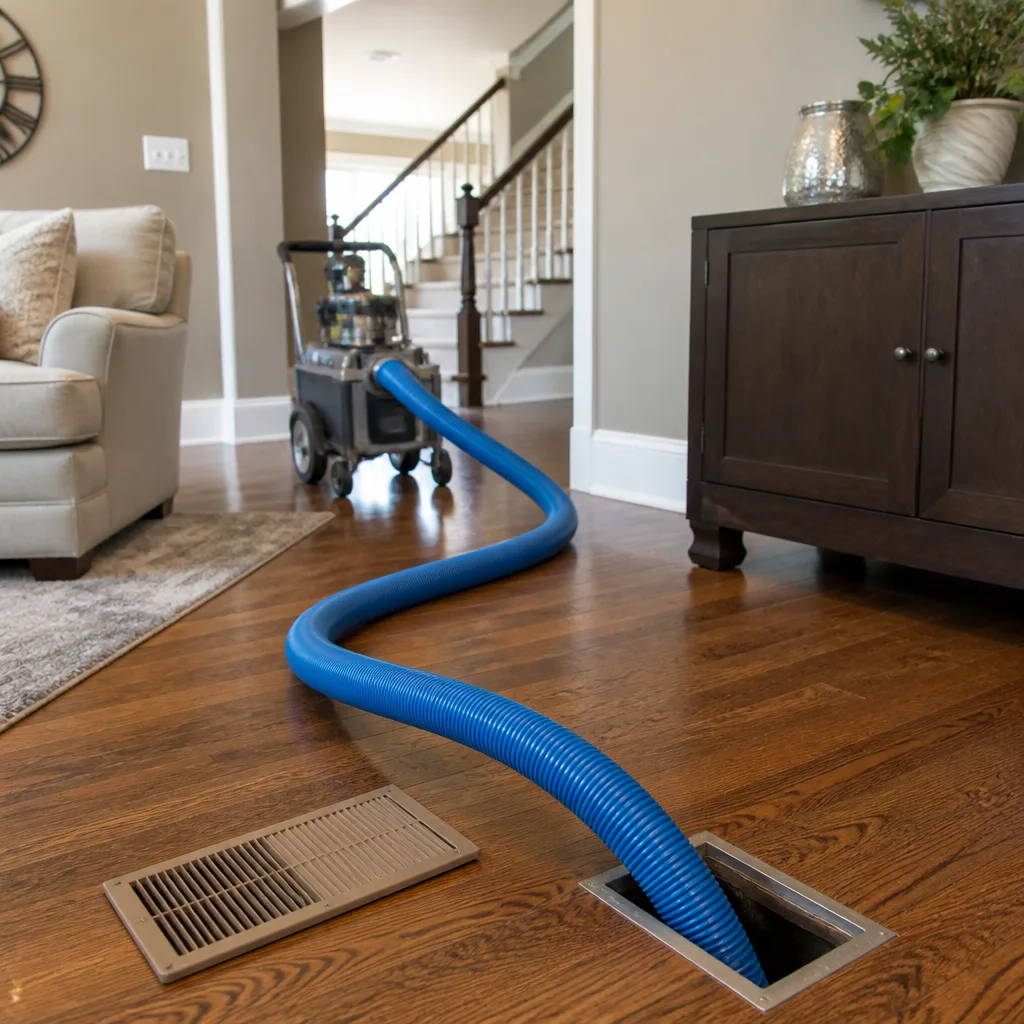
 Whole-home duct cleaning
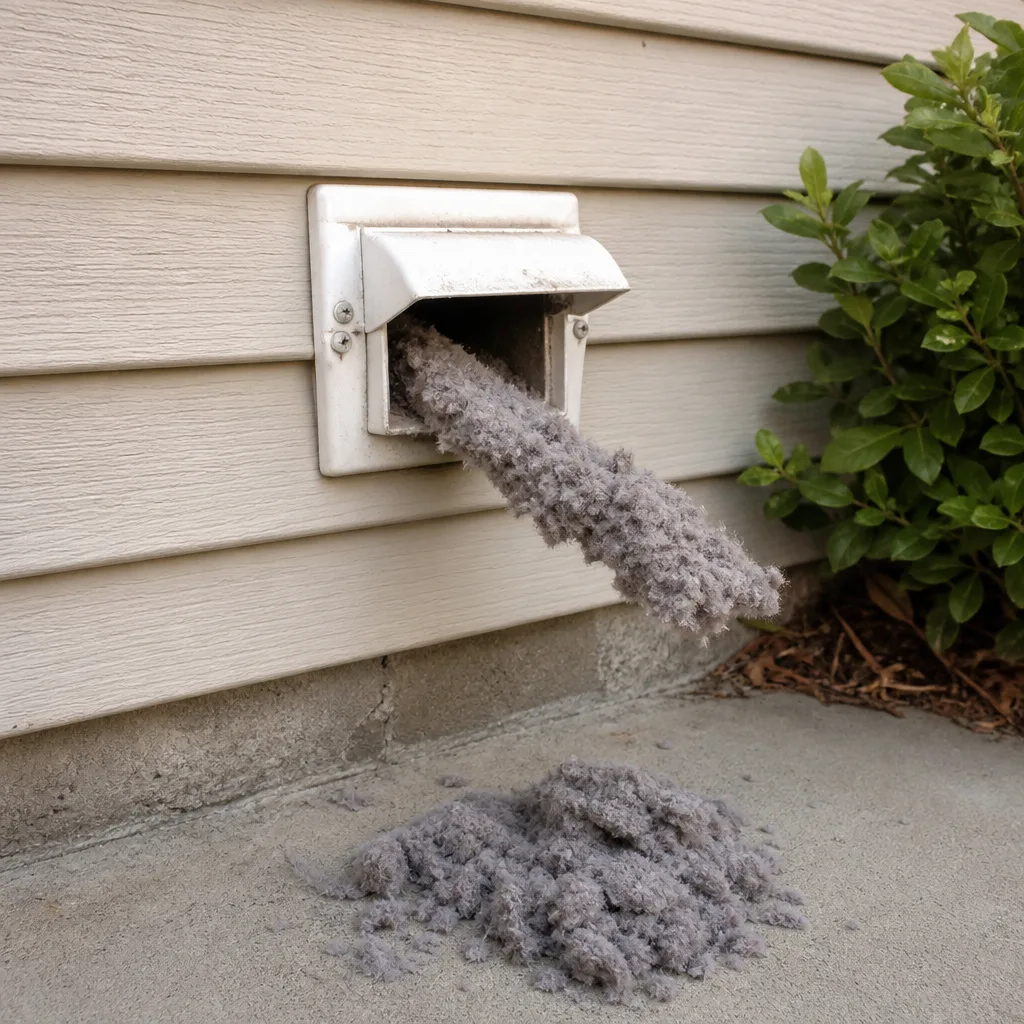 Dryer vent cleaning
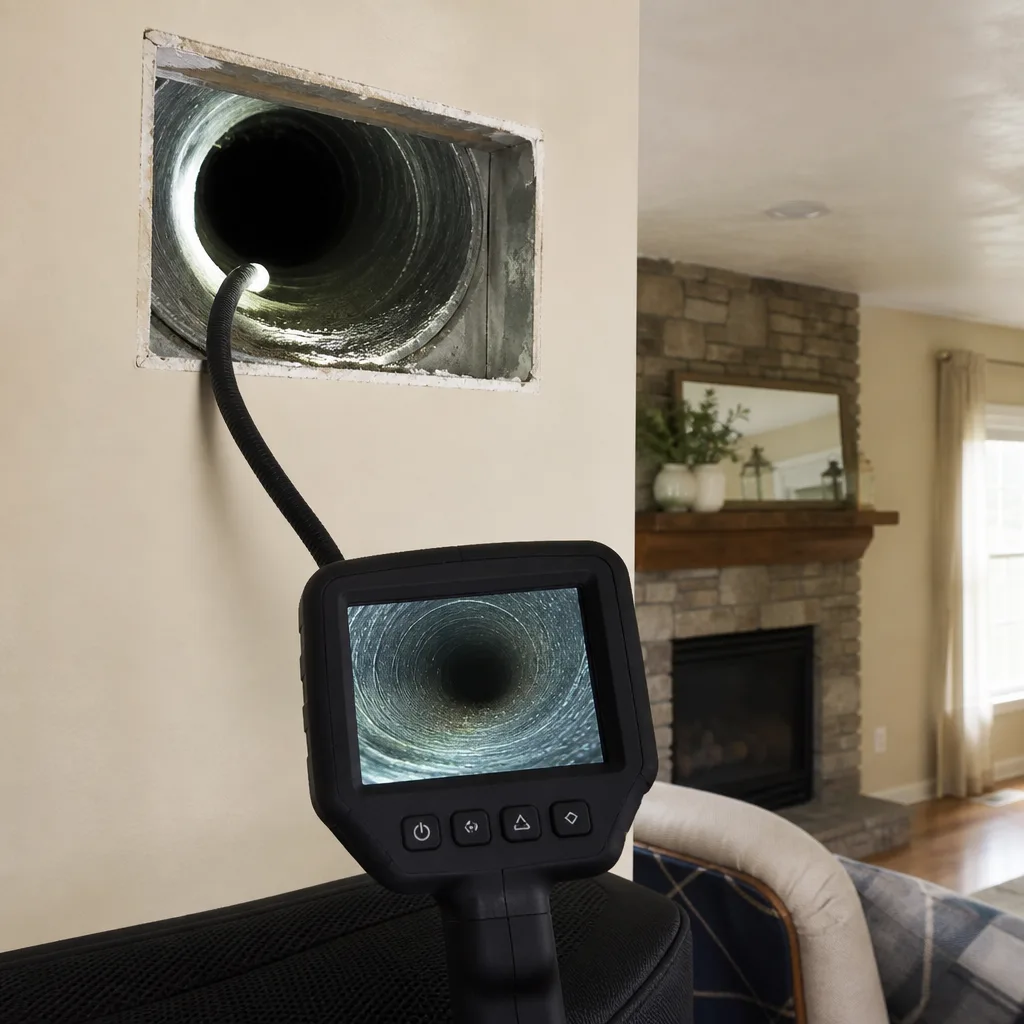 Camera inspection
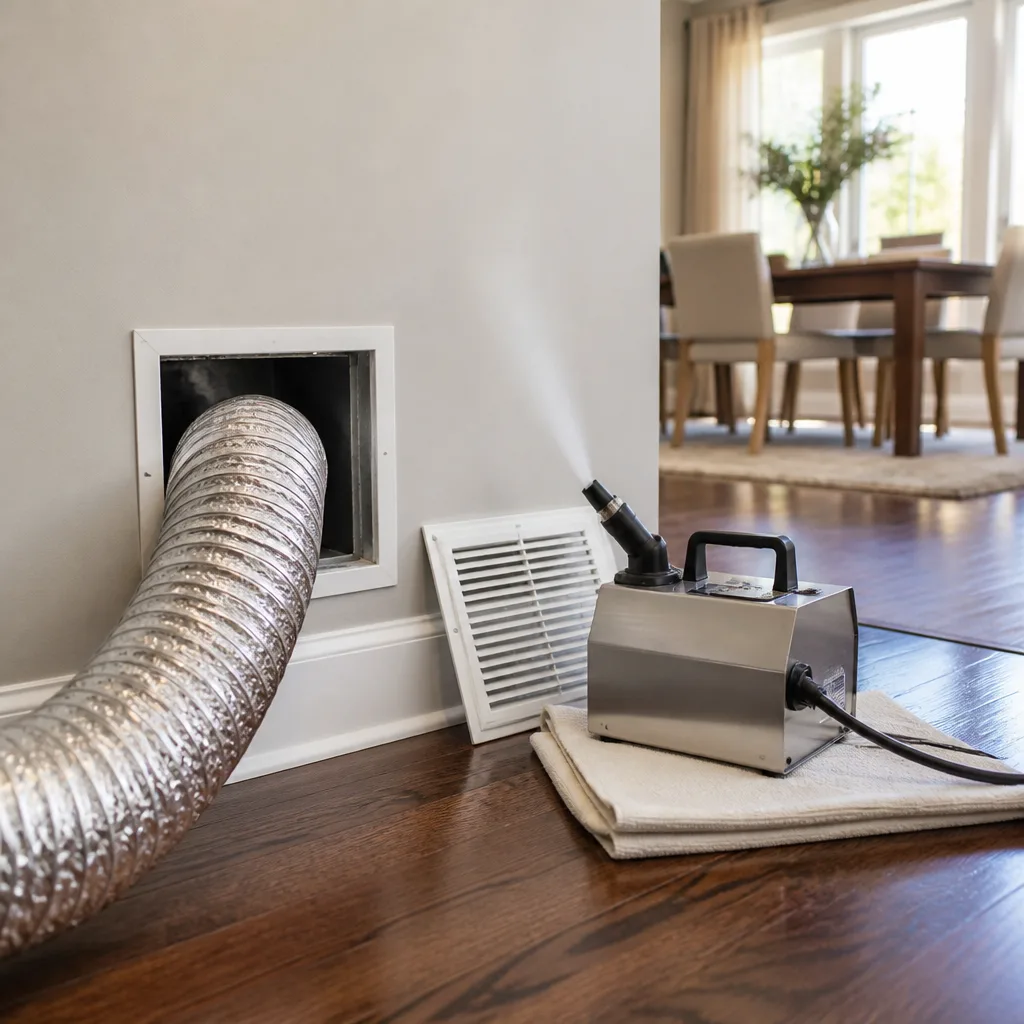 Sanitizing & deodorizing
Whole-system duct and dryer vent check with before-and-after photos - you see exactly what came out of your vents
That "$99 whole-house special" is a bait ad - the real number appears once they are in your hallway, or the "clean" is a shop-vac at the register. We photograph the inside of your ducts before and after instead.
Abatement Technologies Vent Sanitizing: The San Antonio Owner’s Guide
We stock and install Abatement Technologies-compatible vent sanitizing components throughout San Antonio, with most replacements running between $425 and $780 installed. That price includes the part, labor, and a written guarantee on the work before we start, so you know the number going in. Most San Antonio homeowners discover the system has failed when they notice the sanitizing cycle run light stays on, the unit cycles far more often than it used to, or there’s a faint electrical smell near the air handler. Abatement Technologies builds their vent sanitizing units into the supply plenum or return duct, and when the UV or oxidation cell degrades, the system quietly stops doing its job.
These are not common off-the-shelf items. Abatement Technologies vent sanitizing equipment is commercial-grade gear that also ends up in higher-end San Antonio homes, particularly those with allergy sufferers or anyone managing mold sensitivity in our humidity. When the part fails, the symptoms are easy to dismiss at first. You’ll notice the airflow taste changes slightly, or the system’s indicator dims. Left alone, a failed sanitizing cell means you’re moving air but not treating it, and in San Antonio’s hot-humid climate, that’s the difference between conditioned air and air that slowly encourages microbial growth inside your ducts.
Which Abatement Technologies Models This Applies To
Abatement Technologies has produced vent sanitizing equipment under a few distinct lines, and the part in your unit depends on which line and which generation you have. The most common units we see in San Antonio homes are the CAP series and older VP line, with UV-C lamps, oxidation cells, and ballast/power modules being the three components that fail first. The CAP series runs on proprietary lamp sockets that do not cross-fit between generations, even when the lamp length looks identical at a glance. We’ve seen DIY orders arrive with a lamp that is a half-inch too long for the housing, which means the access plate will not seat correctly and the unit will not power on.
Identifying the right part is straightforward if you grab the label before you call. Look for the model prefix (CAP, VP, or UV) followed by a numeric sequence, and measure the access plate width, not just the lamp length. The ballast is specific to the lamp wattage, and Abatement Technologies uses both 14W and 24W configurations across their line, so a ballast stamped for one will not fire the other reliably. If you’re comparing OEM versus aftermarket, we’re honest about this: aftermarket lamps and cells from reputable manufacturers work fine in most Abatement Technologies housings, but we recommend OEM ballasts and sockets, because those are where tight tolerances matter most. We stock both.
One compatibility gotcha specific to our market: Abatement Technologies units installed in Texas often came through HVAC distributors who paired them with custom plenum adapters. That means the sanitizing module itself is standard, but the mounting collar around it may have been field-fabricated. If your unit sits in a sheet metal collar that doesn’t match any photo you find online, you’re not missing a part. That’s a local install signature, and it just means the replacement lamp or cell slides into your existing collar without issue.
Styles & brands we work with
Signs Your Abatement Technologies Vent Sanitizing Is Failing
- The indicator light is dim or flickering. The ballast is struggling to maintain the correct voltage to the lamp. A ballast that flickers is in the early stages of failure, and it will eventually stop firing the lamp entirely.
- You can hear the unit cycling on and off repeatedly. This usually points to a failing power module or a loose socket connection. The system is trying to ignite the lamp, failing, and retrying.
- The unit runs hot to the touch. A lamp near the end of its usable life draws more current and creates more heat in the housing. This can trip thermal switches and shorten the life of the ballast.
- Airflow smells stale or earthy even after filter changes. The sanitizing function has stopped treating the airstream, which means whatever is living in your ducts is moving through them untreated.
- The system powers on but produces no visible blue glow at the access window. In most Abatement Technologies units, the lamp is visible through a small viewport in the access plate. If there’s no glow but the power indicator is on, the lamp has burned out or the socket has failed.
We see a consistent pattern in San Antonio homes. The heat accelerates ballast failure. South Texas summers push air handlers hard, and any electronic component bolted to a duct that cycles between 78-degree air and 140-degree attic air is going to degrade faster than it would in a climate-controlled mechanical room. That’s why a ballast rated for five years often fails in three here.
See the difference
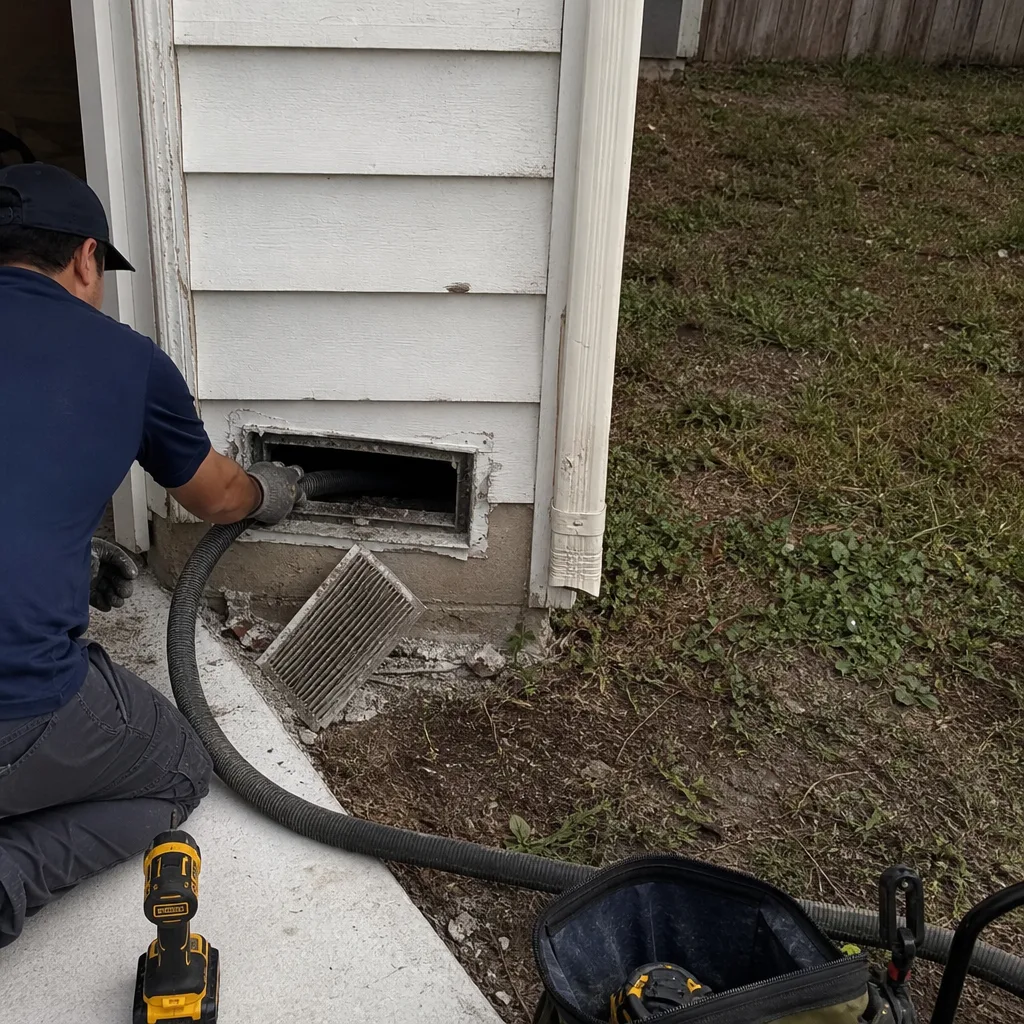 Before
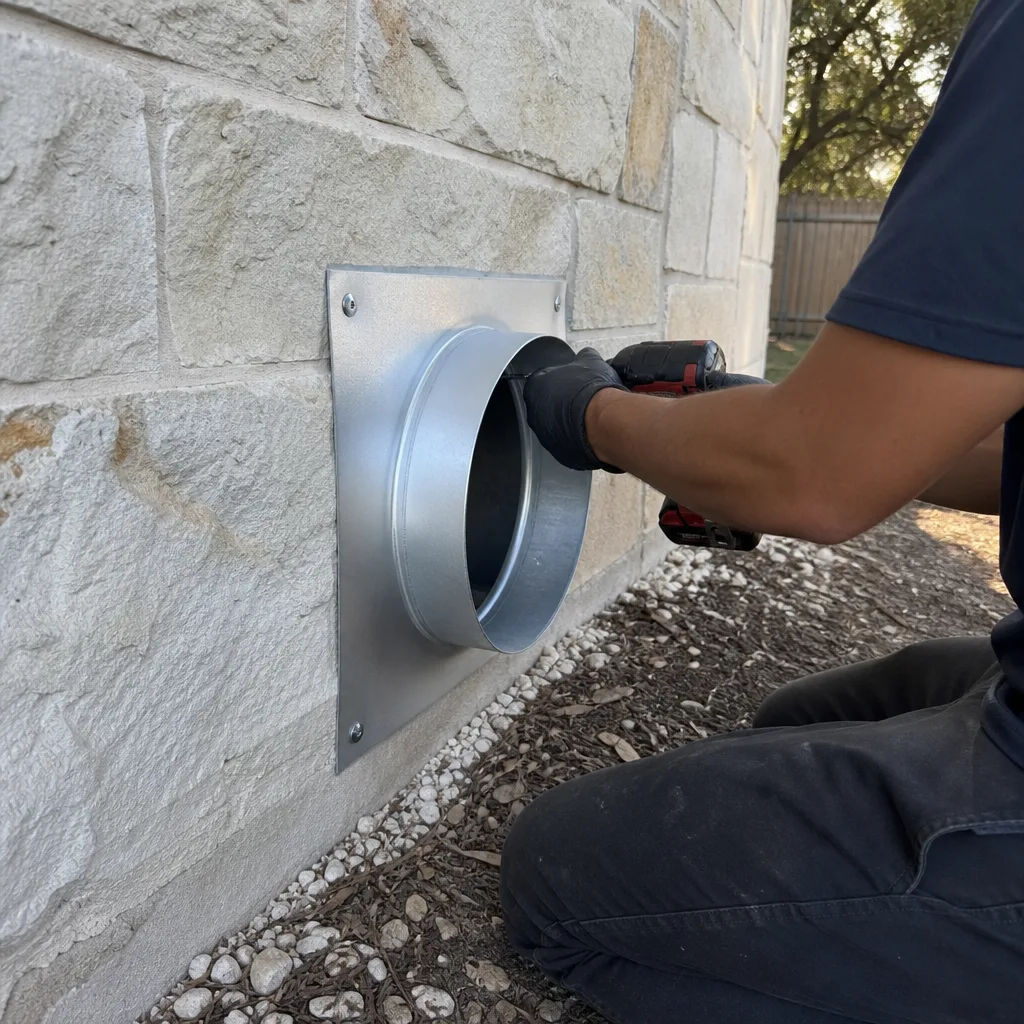 After
After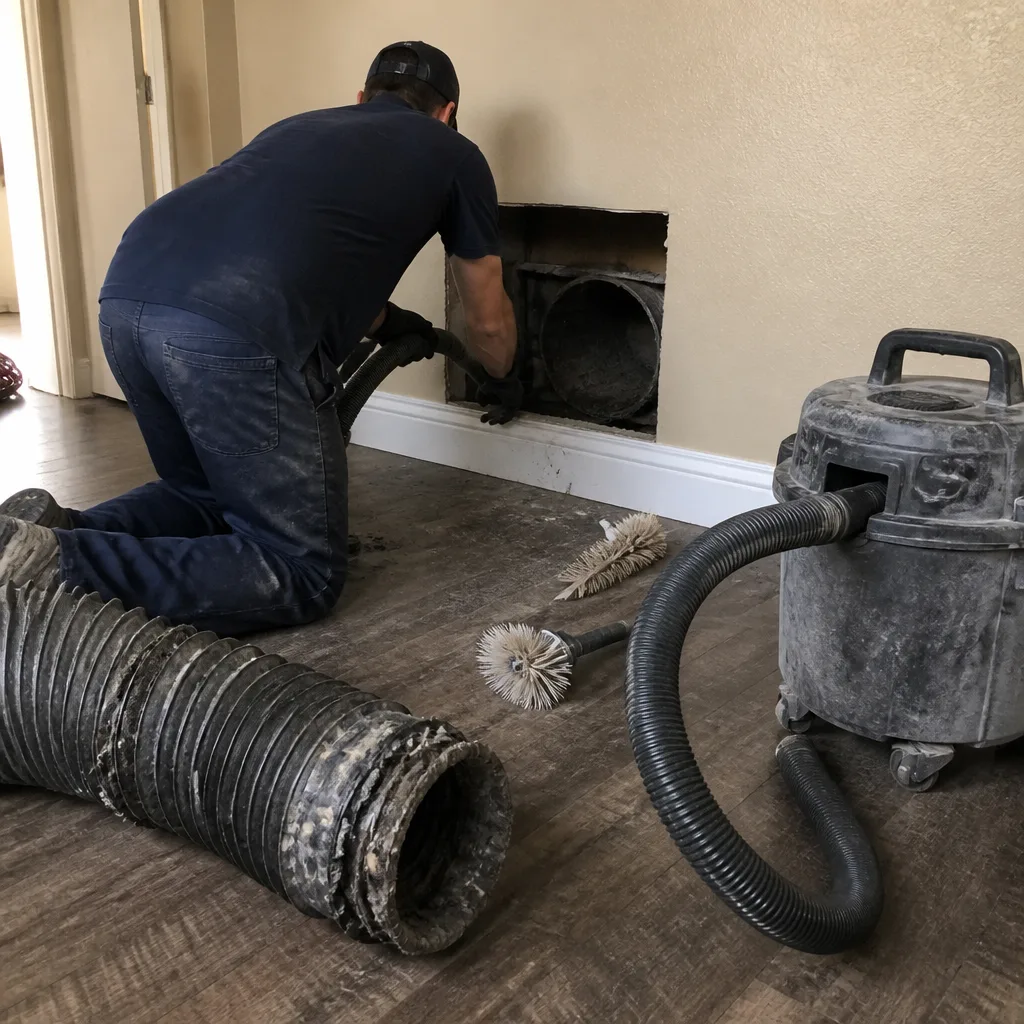 Before
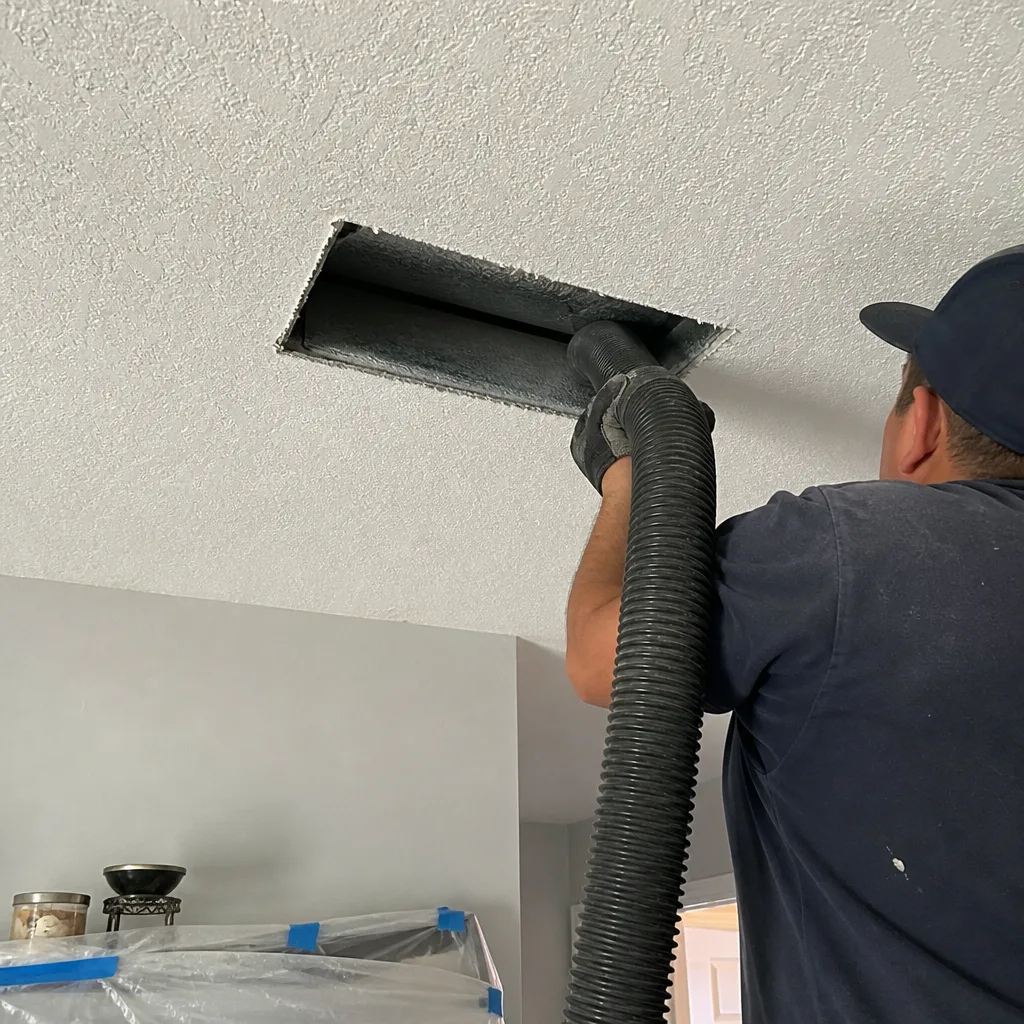 After
After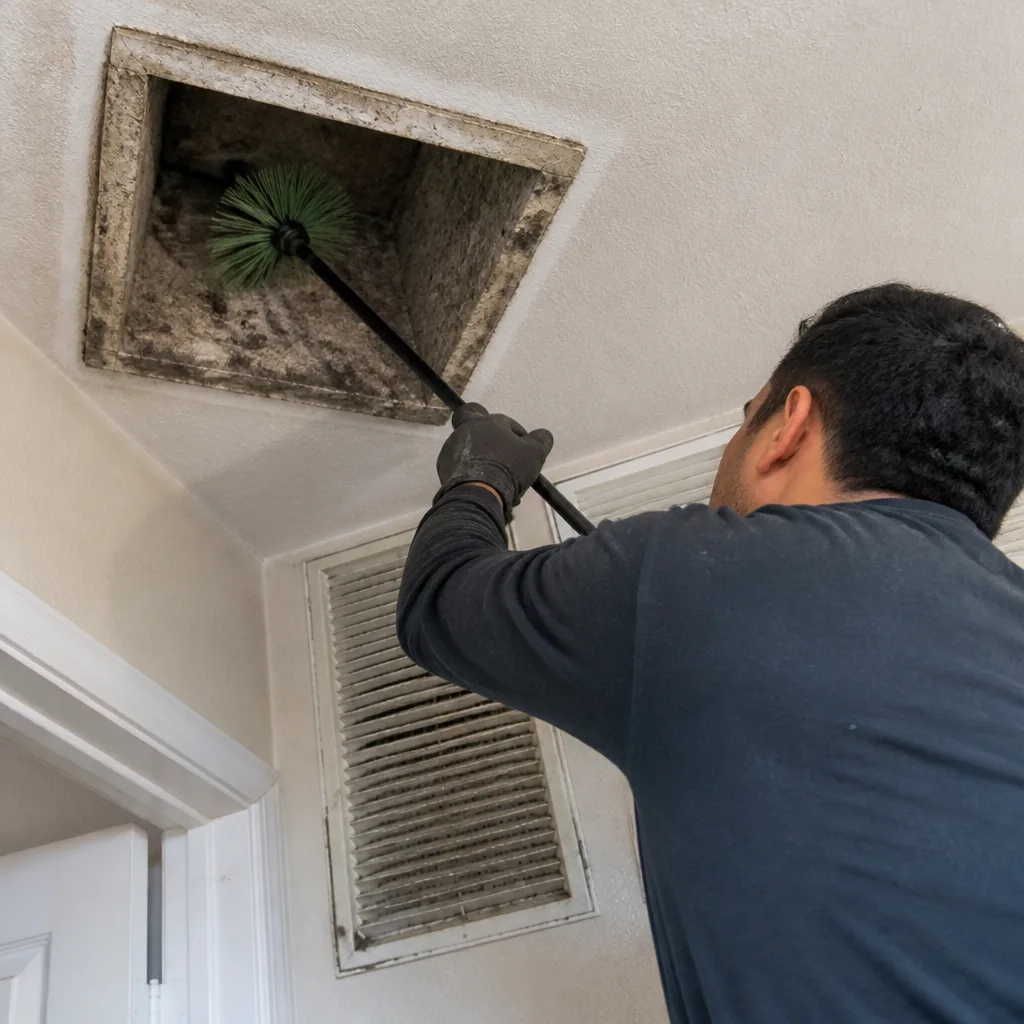 Before
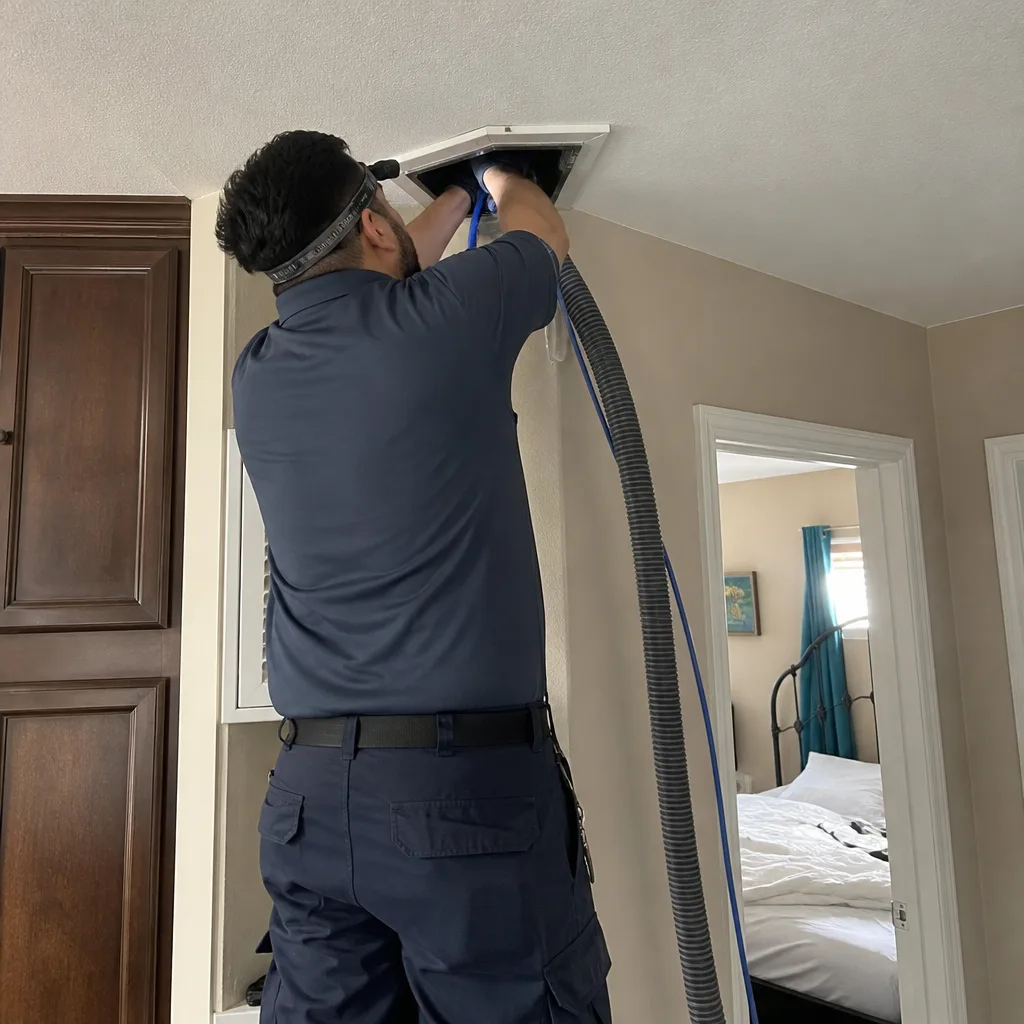 After
AfterReplacement Cost & What’s Included
Replacement cost for Abatement Technologies vent sanitizing components in San Antonio runs from $425 to $780 installed, and here’s what drives the range. A replacement UV-C lamp alone is the lower end, typically $425 to $525 installed. A full lamp-and-ballast replacement runs $550 to $680, and a complete oxidation cell swap with a new power module lands at $650 to $780. The variance depends on which model you have and whether the mounting collar requires any adjustment to accept the new part.
Every quote from us is one flat price for the whole job. You get the part cost and labor in a single number, in writing, before anything gets opened up. There’s no “plus parts” surprise at the end. If we open the unit and find an additional issue, we stop, show you what we found, and give you an updated number before touching anything else. Marcus Veale is known for walking homeowners through exactly what he found before a single tool comes out, so there are no surprises on the invoice. As he puts it: “Tell me what you’re seeing, and I’ll tell you whether it’s worth fixing.”
Every Abatement Technologies vent sanitizing replacement carries our written 365-Day Done Right Promise. If the replacement fails or something isn’t right within 365 days, we come back at no charge and make it right. That’s in writing on every job.
DIY or Call Us?
Abatement Technologies vent sanitizing equipment involves UV-C exposure and line-voltage wiring, so we do not recommend opening the unit yourself unless you’re comfortable working inside an electrical enclosure. UV-C lamps can damage your eyes and skin, even in the brief moment it takes to slide one out. The lamp is inside a metal housing for that reason, and when the safety interlock is bypassed to test a lamp, you’re exposing yourself to the source. There’s also the risk of touching a live ballast wire, since many installs route power directly through the unit.
What you can safely do is identify the model, note the symptoms, and get the unit isolated at the breaker before we arrive. We’ll handle the swap. Most Abatement Technologies replacements we do in San Antonio are completed in under two hours, and the unit is back online same visit. If you’d like to talk through what you’re seeing first, call us at (430) 233-7681 and describe the symptoms. We’ll tell you upfront whether it sounds like a lamp, a ballast, or a power module, and what the likely cost is before we schedule anything.
FAQs
In San Antonio’s climate, we plan for 12 to 18 months of effective service from a UV-C lamp in a vent-mounted unit, regardless of the “rated” life on the box. Heat cycling shortens the useful window, and a lamp that’s technically glowing at 18 months is often producing far less sanitizing output than it did at month six. We recommend replacing the lamp annually in this market and having the ballast checked at the same interval.
Lamps cannot be repaired; they are consumable and get swapped. Ballasts are occasionally repairable if the fault is a failed capacitor or a scorched wire connection, but in practice, the replacement part is inexpensive enough that rebuilding an old ballast rarely makes sense. The power modules are sealed units and get replaced as assemblies. We’ll show you exactly what we find before recommending a repair versus a replacement. Call (430) 233-7681 and we’ll walk you through it.
Most Abatement Technologies vent sanitizing replacements in San Antonio take between 90 minutes and two hours from arrival to cleanup. The unit gets isolated at the breaker, the old part comes out, the new part goes in, and we power it back on and confirm the lamp ignites and runs stable for several minutes before we leave.
We keep Abatement Technologies lamps, ballasts, and sockets stocked on the truck for the most common CAP and VP configurations. If you have an unusual model or a field-fabricated collar from a local distributor install, we may need a day or two to source the correct part. We also stock parts for Lennox, Trane, and Carrier systems, so if your sanitizing unit is paired with equipment from one of those brands, we can address both in the same visit.
Written by Marcus Veale, Owner, Linden Air Duct San Antonio at Linden Air Duct San Antonio, serving San Antonio and nearby areas.