
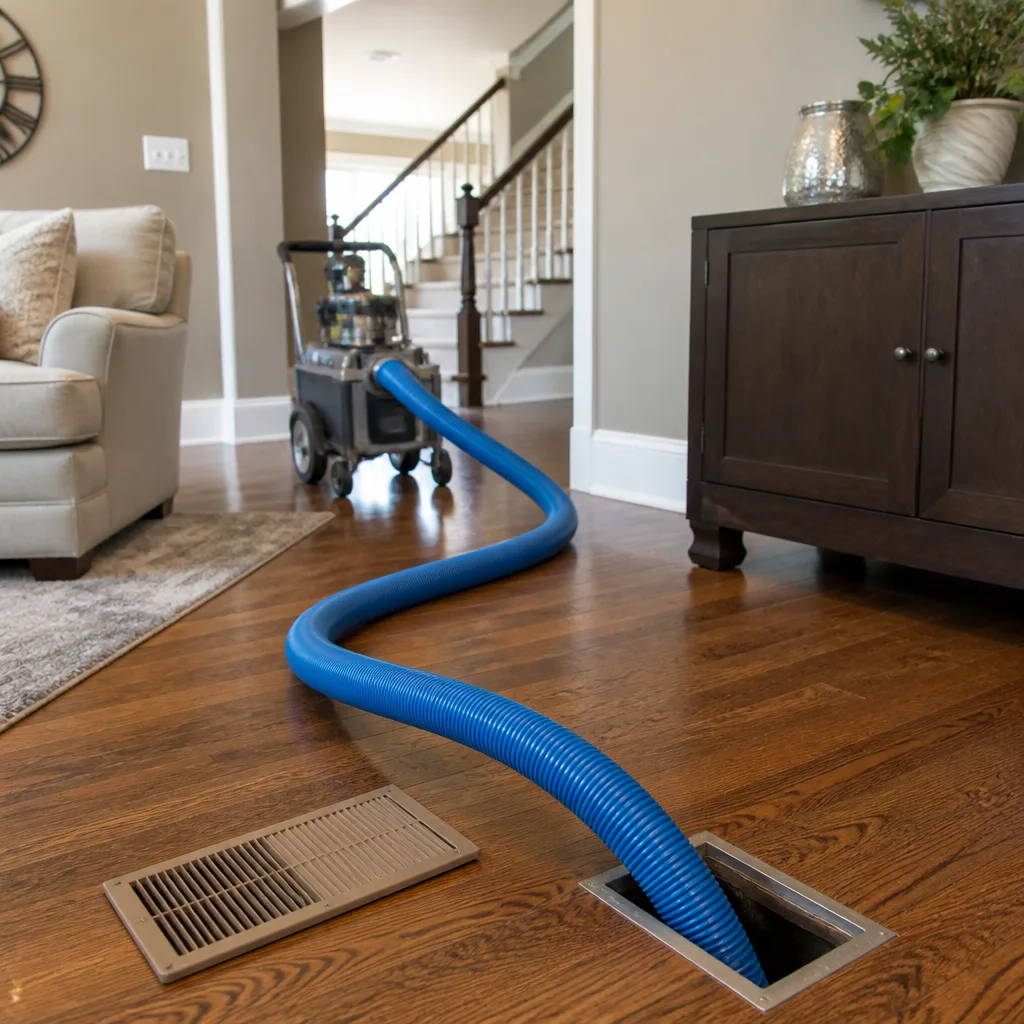
 Whole-home duct cleaning
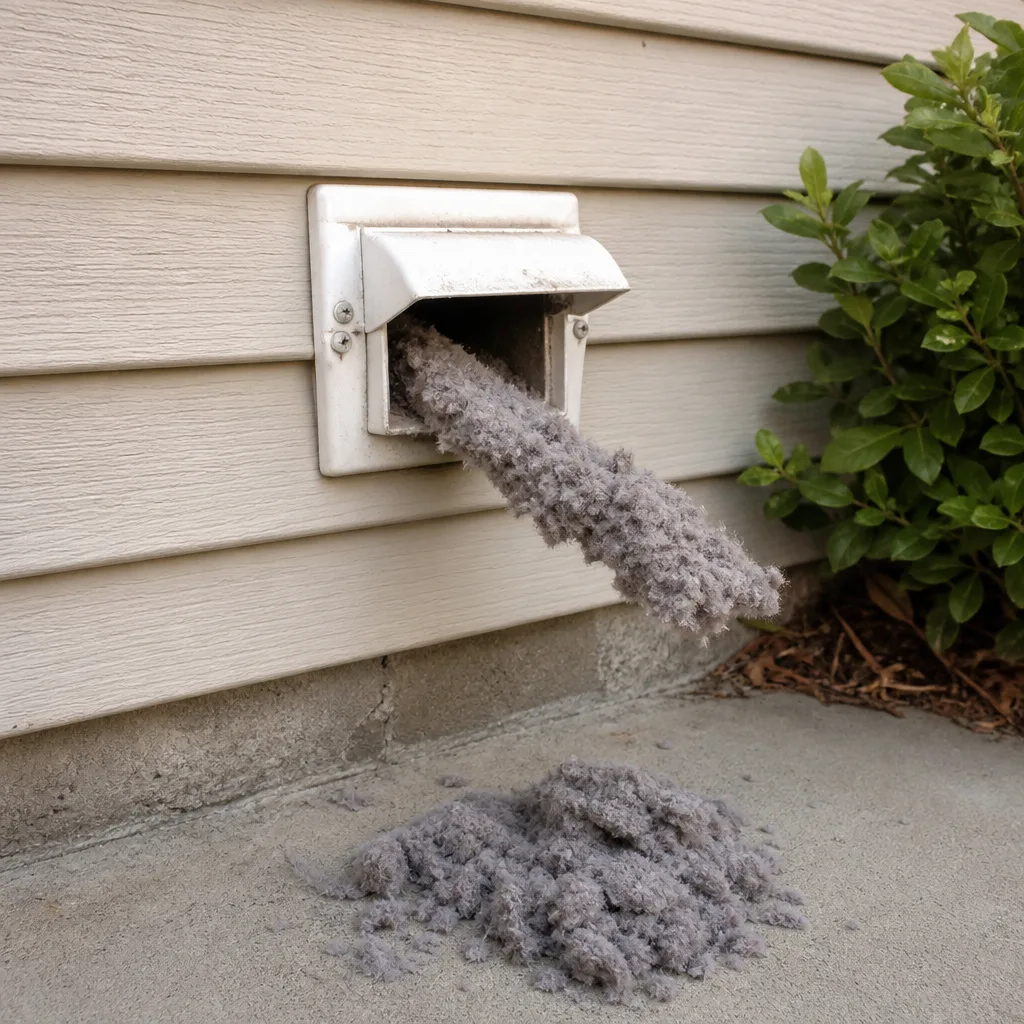 Dryer vent cleaning
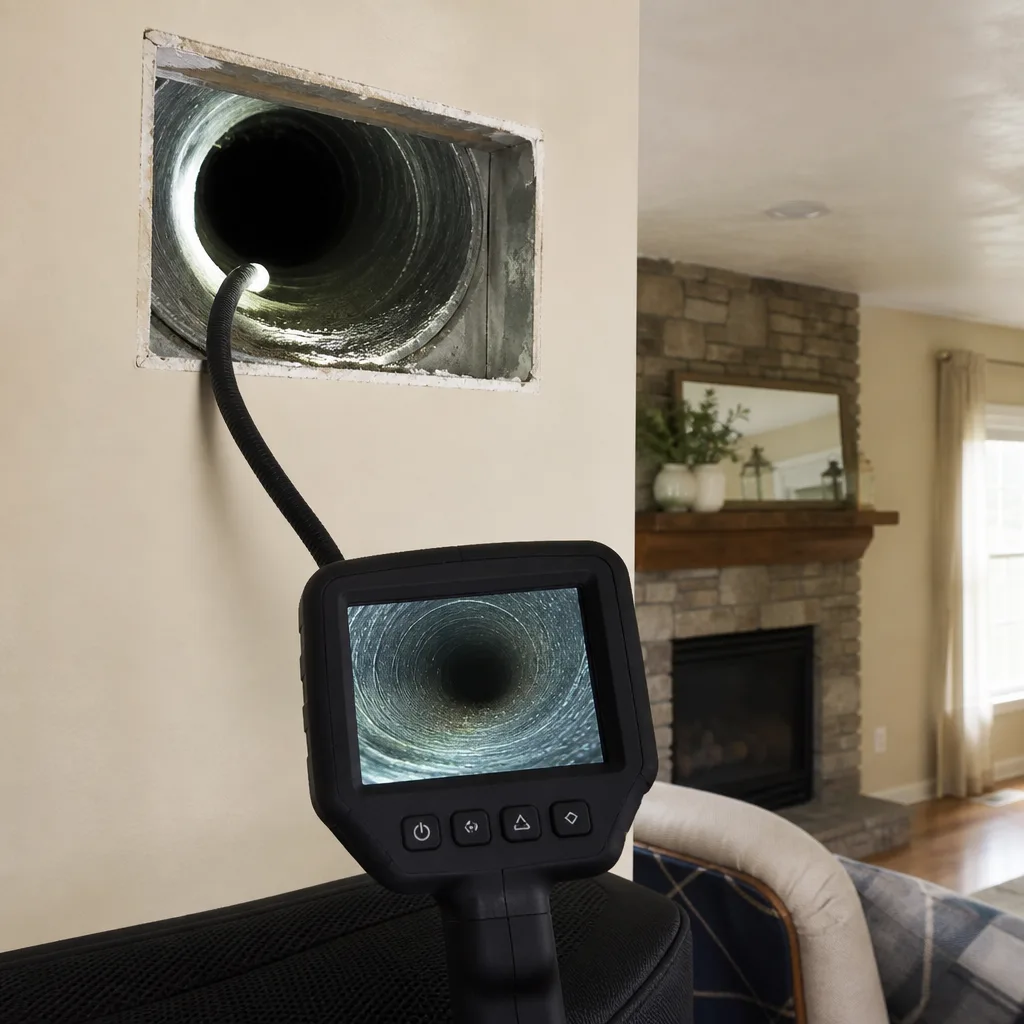 Camera inspection
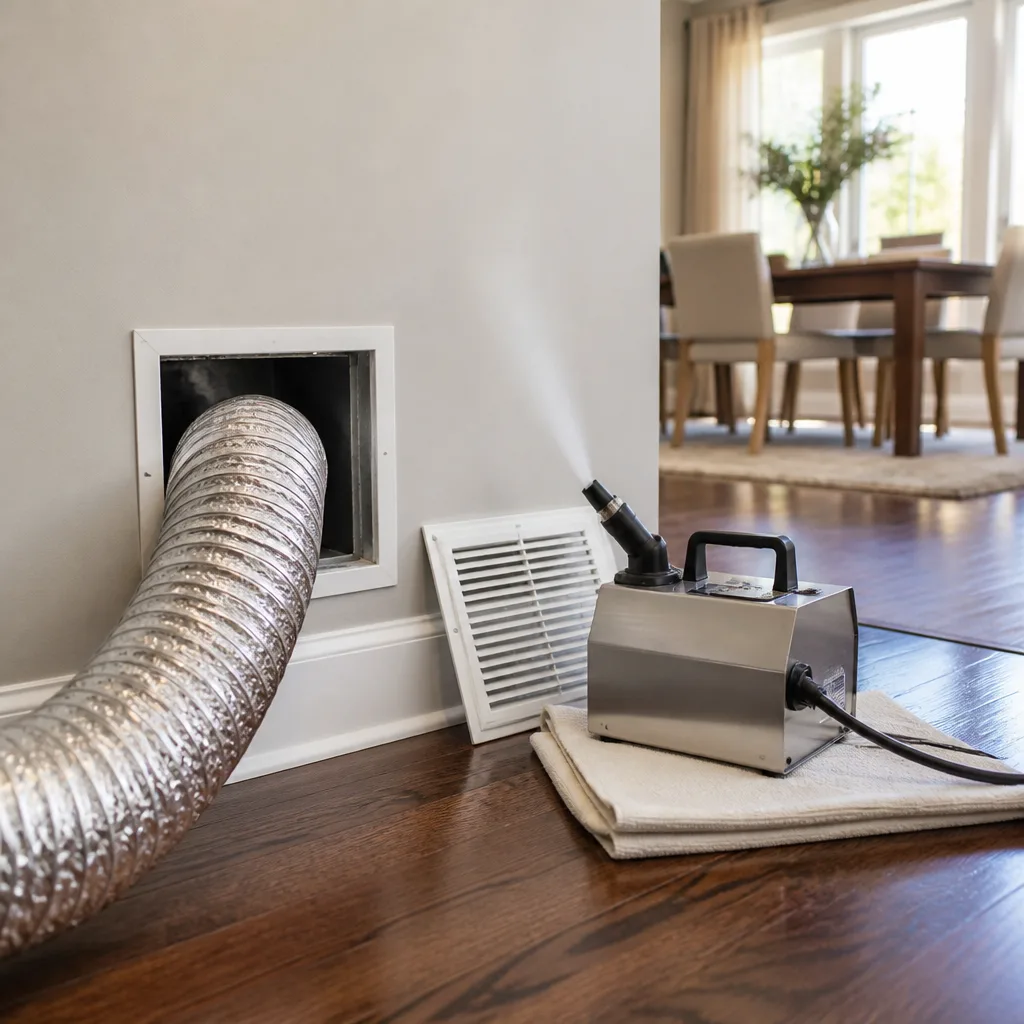 Sanitizing & deodorizing
Whole-system duct and dryer vent check with before-and-after photos - you see exactly what came out of your vents
That "$99 whole-house special" is a bait ad - the real number appears once they are in your hallway, or the "clean" is a shop-vac at the register. We photograph the inside of your ducts before and after instead.
Guardsman Vent Sanitizing: The San Antonio Owner’s Guide
If your Guardsman vent sanitizing unit has stopped producing its sanitizing mist or the airflow through it has dropped to nothing, we stock the replacement parts and can usually have the job done within a day or two of your call to (430) 233-7681. Most Guardsman vent sanitizing replacements in San Antonio run $180 to $380 installed, depending on the specific part. What most homeowners notice first is a steady decline in the sanitizing vapor or a faint electrical smell from the unit, followed by the unit shutting down entirely.
You’re on this page because you already own a Guardsman product and you’re trying to figure out whether the part alone is worth replacing or whether you’re better off replacing the whole unit. That’s the right question, and we’ll answer it straight. The short version: if the fan motor or the atomizer head is gone, the part is worth replacing. If the control board has failed on a unit older than seven or eight years, you may be better off putting that money toward a new unit, and we’ll tell you that on the phone before you spend a dime.
Which Guardsman Models This Applies To
Guardsman vent sanitizing systems installed in San Antonio homes generally fall into two groups: the inline units mounted inside the supply plenum near the air handler, and the standalone units that sit in the ductwork closer to the living space. The inline units are what we see most often in older ranch-style homes around Alamo Heights and Terrell Hills, where the original HVAC install left room above the coil for a plenum-mounted sanitizer. The standalone units are more common in newer construction out toward Stone Oak and the far north side, where builders ran the wiring during construction but left the sanitizer as an add-on.
The compatibility gotcha with Guardsman is the atomizer head thread pattern: early-series Guardsman units used a coarse-thread brass head, while the current production runs use a fine-thread stainless head. They are not interchangeable. Before you order anything online, pull the unit’s model label and check the last three digits: units ending in -01 through -04 take the coarse-thread head. Units ending in -05 or higher take the fine-thread. If the label is worn off, which happens often in attic heat, measure the head diameter with a caliper: 11.5mm is the old pattern, 9.8mm is the current one.
On OEM versus aftermarket: Guardsman’s OEM atomizer heads are well made and we have not had problems with them. The aftermarket heads from third-party suppliers, frankly, are hit or miss. Some are fine. Some produce an uneven mist that leaves residue on the coil and shortens the life of whatever they’re paired with. Our position is simple: we stock OEM Guardsman parts on the truck, and we’ll quote you an aftermarket option if one exists for your unit, but we’ll tell you which one we’d put in our own house.
Styles & brands we work with
Signs Your Guardsman Vent Sanitizing Is Failing
- No visible mist or vapor from the register. This is the most common failure, and it usually means the atomizer head is clogged with mineral buildup from San Antonio’s hard water. If the unit uses a water reservoir, the calcium in our municipal supply builds up on the atomizer over time until it stops producing.
- The unit runs constantly but the reservoir level never drops. When the atomizer is clogged or the pump diaphragm has split, the unit cycles on and off but never actually moves sanitizing solution. The motor runs, the unit hums, and nothing comes out.
- A faint burning or ozone smell from the supply vents. This is the early warning sign for a failing control board or a motor bearing that’s binding. If you smell this, power the unit down at the breaker or unplug the transformer until someone can look at it. A binding motor can overheat.
- Short cycling: the unit turns on, runs for ten or twenty seconds, then shuts off. Guardsman units have a thermal cutoff that trips when the motor draws too much current. Short cycling almost always means a failing motor or a clogged pump putting extra load on the system.
- Water or residue pooling inside the duct near the unit. A cracked reservoir or a failed seal between the atomizer head and the unit body will leak sanitizing solution into the duct. Left long enough, that moisture becomes a mold issue in the Texas humidity, and then you have a bigger problem than the failed part.
See the difference
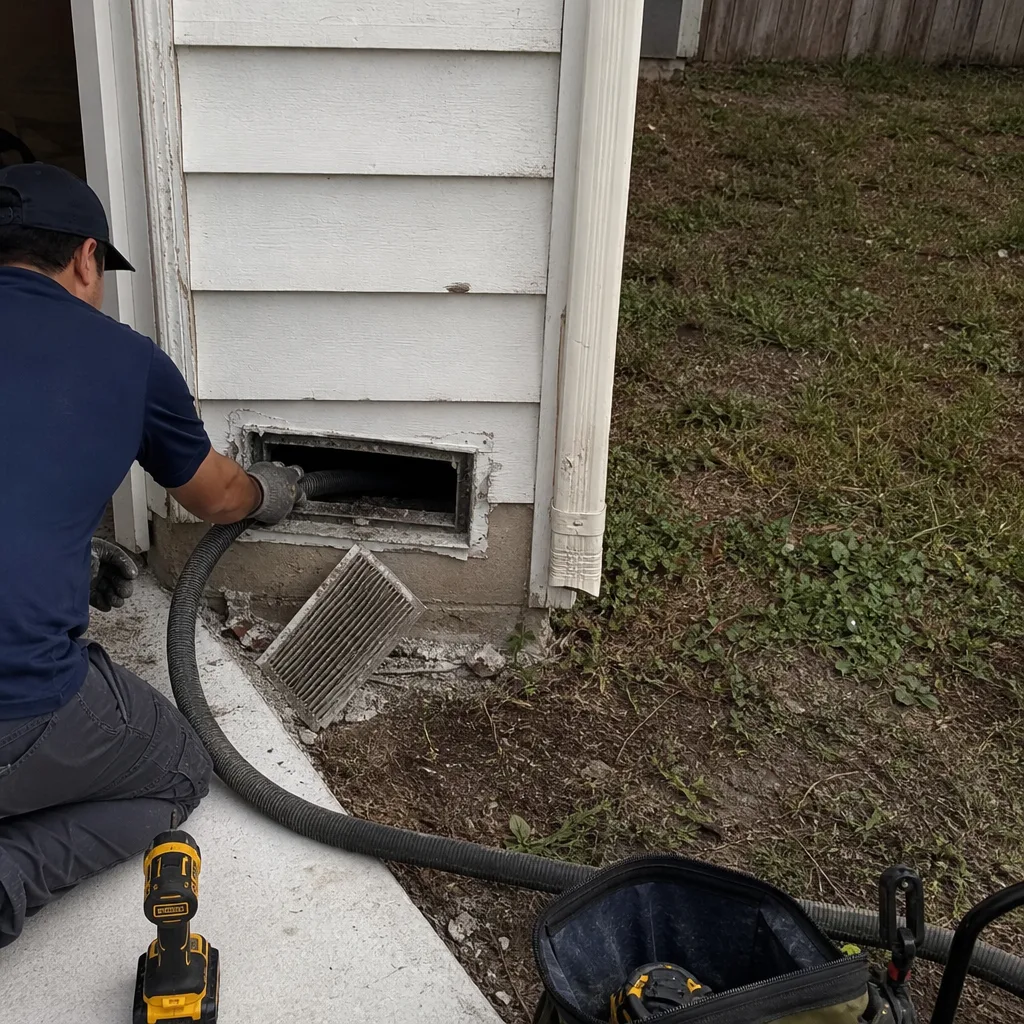 Before
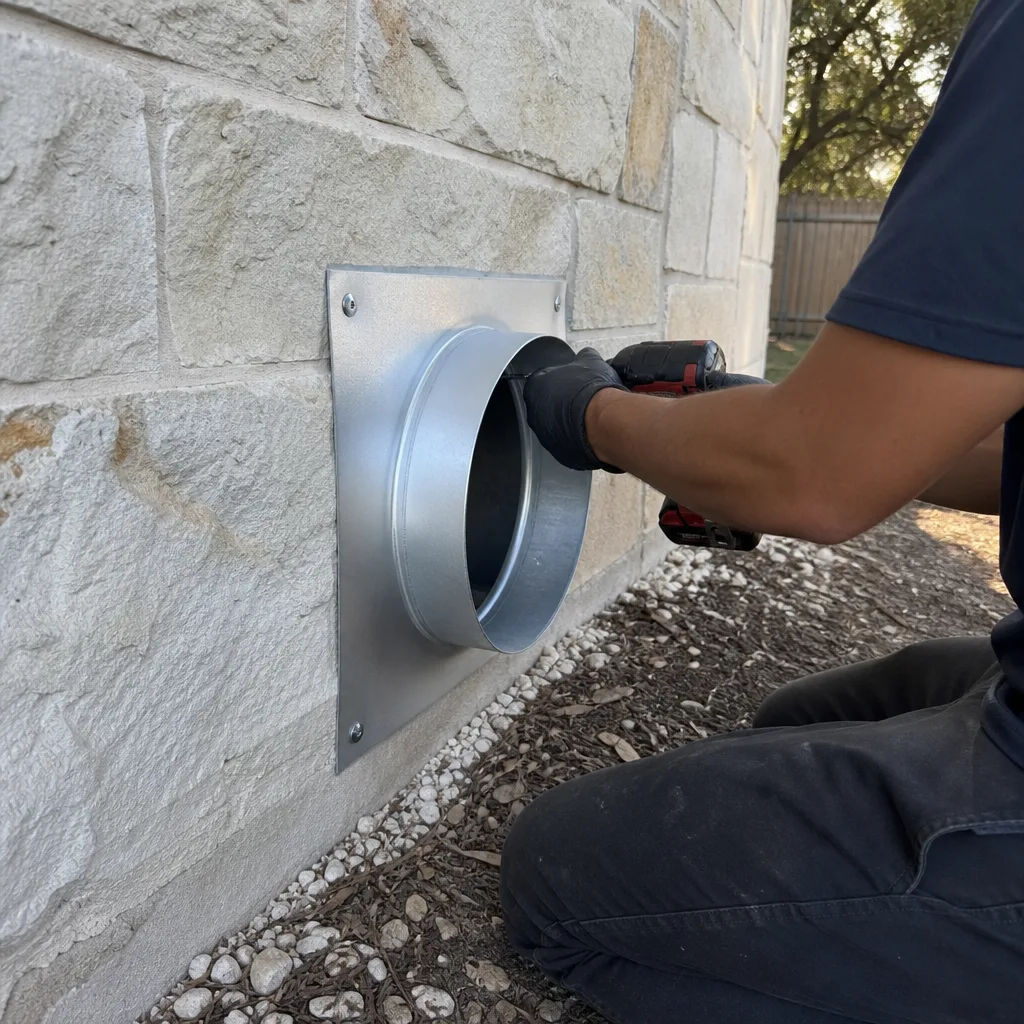 After
After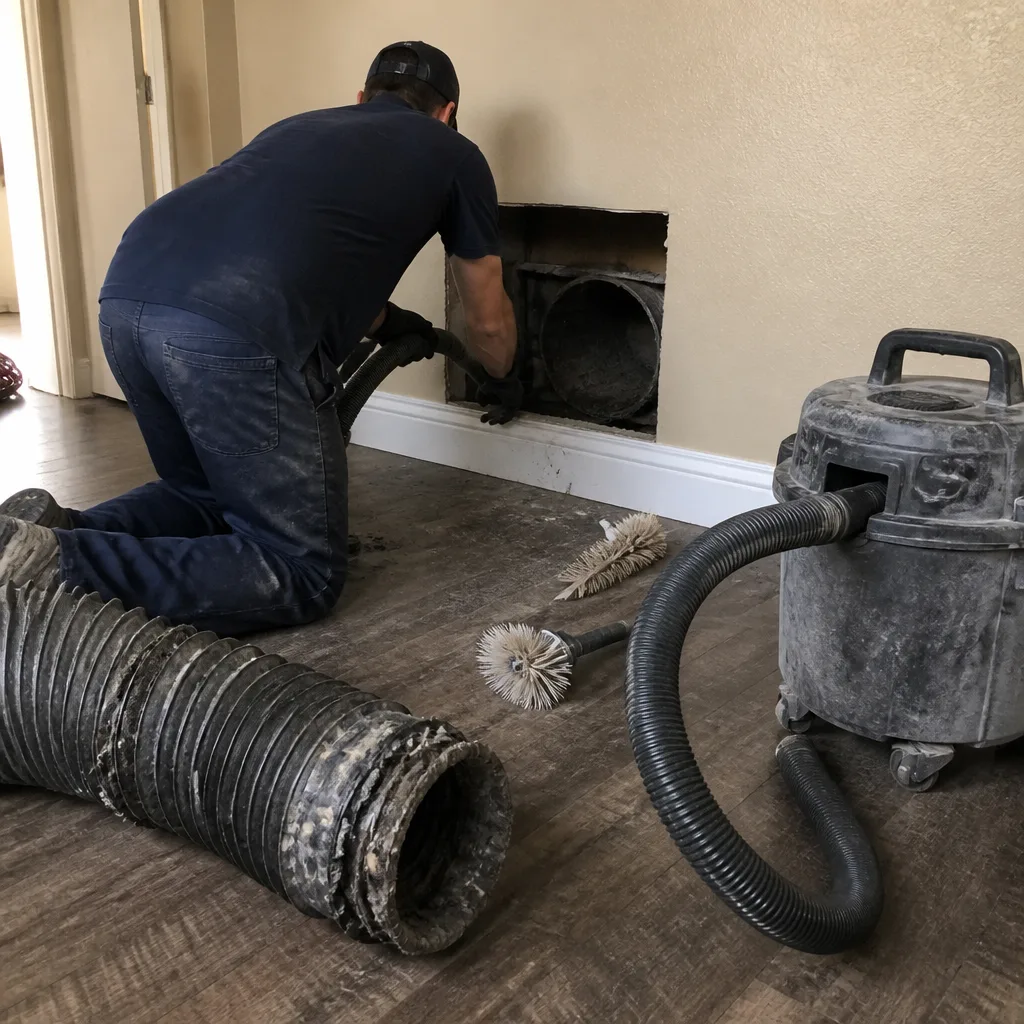 Before
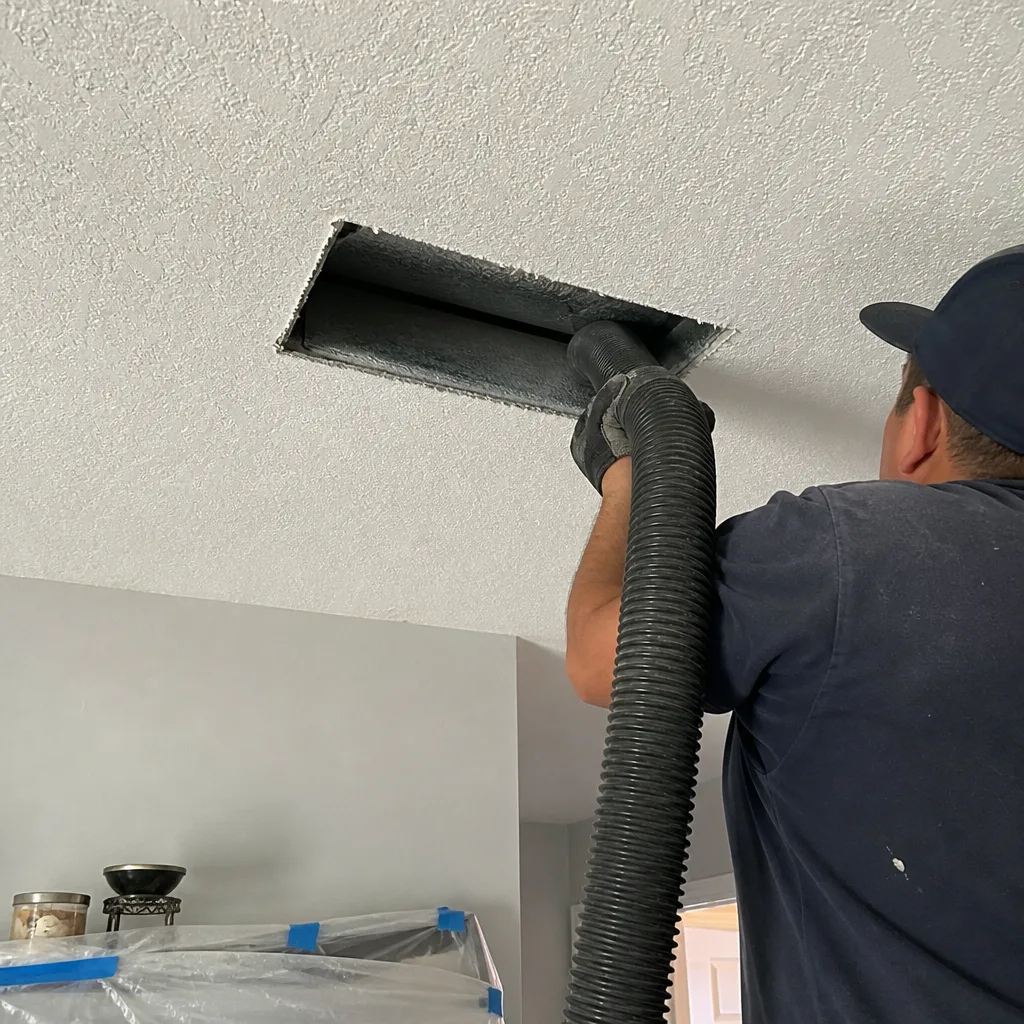 After
After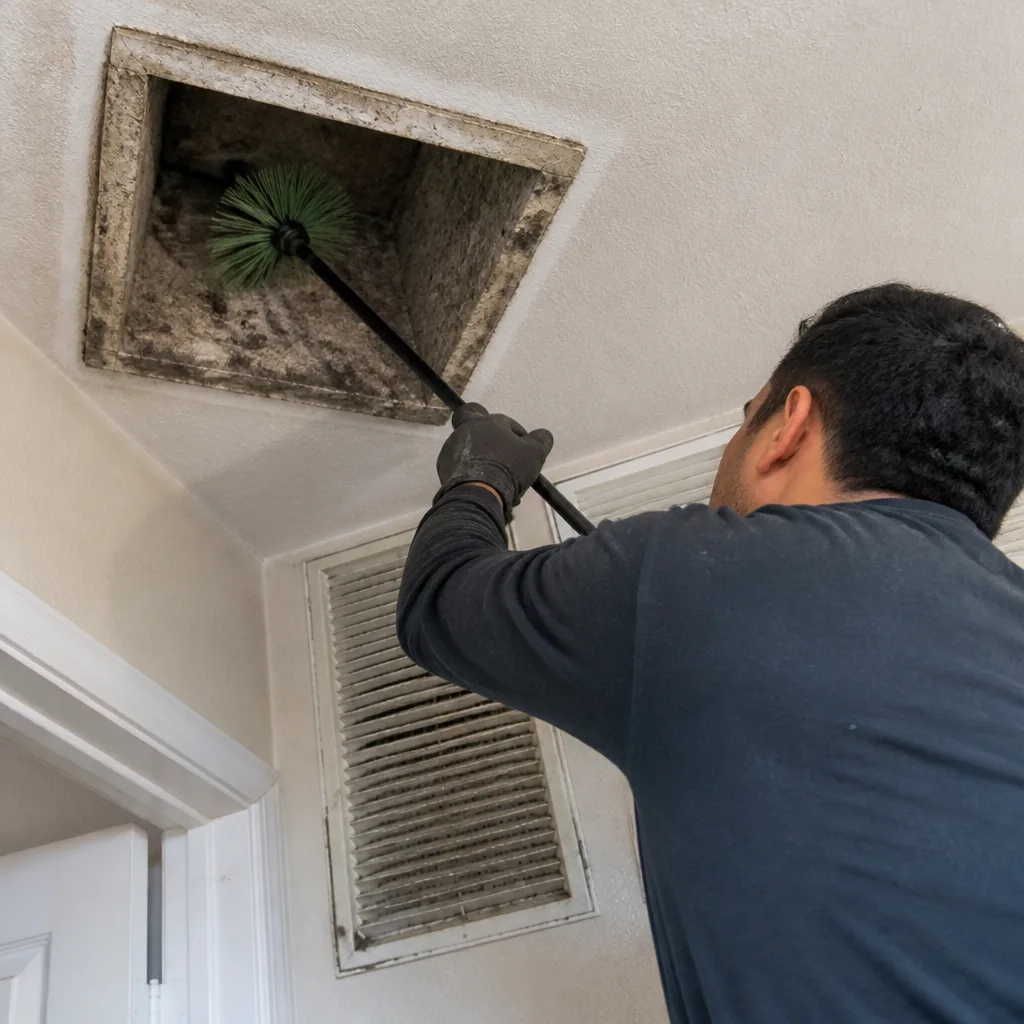 Before
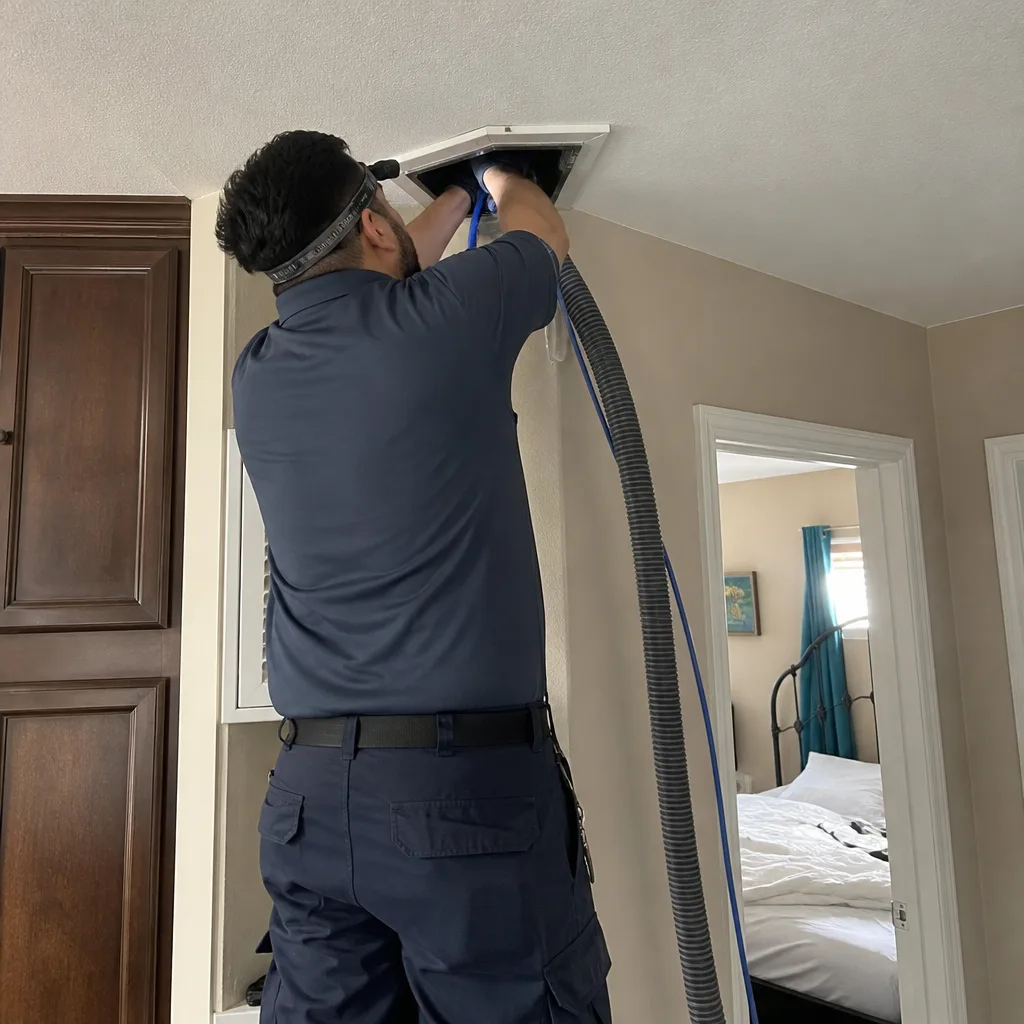 After
AfterReplacement Cost & What’s Included
In San Antonio, expect to pay:
- Atomizer head replacement: $180 to $240 installed, including the OEM Guardsman part, cleaning of the unit body, and function test.
- Pump or motor replacement: $240 to $320 installed, including the OEM part and verification of proper mist output at the register.
- Control board replacement: $280 to $380 installed, including the OEM board and a full system check after the swap.
- Whole-unit replacement (when the part is not worth fixing): $350 to $550 installed, depending on the unit and access.
The range depends on access: a plenum-mounted unit in a tight attic over a second-story hallway takes longer than a standalone unit in a walk-in closet mechanical room. You’ll get the price in writing before we start, and that price includes the part, the labor, the cleanup, and the function test. There’s no per-vent pricing, no surprise line items, and no invoice that changes at the door. The repair itself is covered by our written guarantee for 365 days, and if the same part fails again, we come back and fix it at no charge.
DIY or Call Us?
There are two things you can safely check yourself. First, kill power to the unit and look at the reservoir: if it’s empty or the solution is cloudy with sediment, that’s part of the problem, and refilling it with distilled water and Guardsman’s recommended solution may solve a no-mist complaint. Second, check the inline fuse near the transformer box. Some Guardsman models have a simple automotive-style fuse that costs a few dollars at any San Antonio auto parts store, and swapping it is a five-minute job with no tools.
Past that point, I’d caution you to stop. The unit is wired into your HVAC system’s low-voltage circuit, and the atomizer head on the current series operates at high frequency with a charge that can give you a memorable jolt if the unit is energized. Working inside a supply plenum also means disturbing the airflow seal, and a bad seal after a DIY job will cost more to fix than the part you were trying to save money on. If you’ve checked the fuse and refilled the reservoir and it’s still not running, call us at (430) 233-7681. Tell me what you’re seeing, and I’ll tell you whether it’s worth fixing.
FAQs
In our experience, the atomizer head lasts three to five years in San Antonio, and the motor lasts six to eight. Our hard water and the attic heat both shorten the lifespan versus what the manufacturer lists, which is why we recommend checking the unit every spring before cooling season starts. If your unit is eight years old and this is the second part failure in two years, we’ll tell you it’s time for a new unit rather than another repair.
Sometimes yes, sometimes no. A head with light calcium buildup can be soaked in a descaling solution and restored. A head with hardened mineral deposits that have bonded to the fine mesh will never produce a consistent mist again, and cleaning it just delays the replacement by a few weeks. We’ll know which one you have within a couple minutes of pulling the head out, and we won’t sell you a replacement if a cleaning will do it.
Most atomizer head replacements take 45 to 60 minutes from the time we arrive to the time we run the function test. A pump or motor replacement is usually 60 to 90 minutes, depending on access. A control board, if the wiring needs to be re-terminated, can run up to two hours. We schedule in two-hour windows and we’ll tell you the same day if the job runs long.
We stock the current-series atomizer heads, pumps, and motors on the truck for the most common Guardsman units installed in San Antonio. The control boards we stock for the newer series but often have to order for units that are more than ten years old. If we have to order, we’ll tell you the lead time before you commit to anything, and you won’t pay for the part until it’s in our hands and scheduled for install. Call (430) 233-7681 and we’ll check stock while you’re on the phone.
Written by Marcus Veale, Owner, Linden Air Duct San Antonio at Linden Air Duct San Antonio, serving San Antonio and nearby areas.