
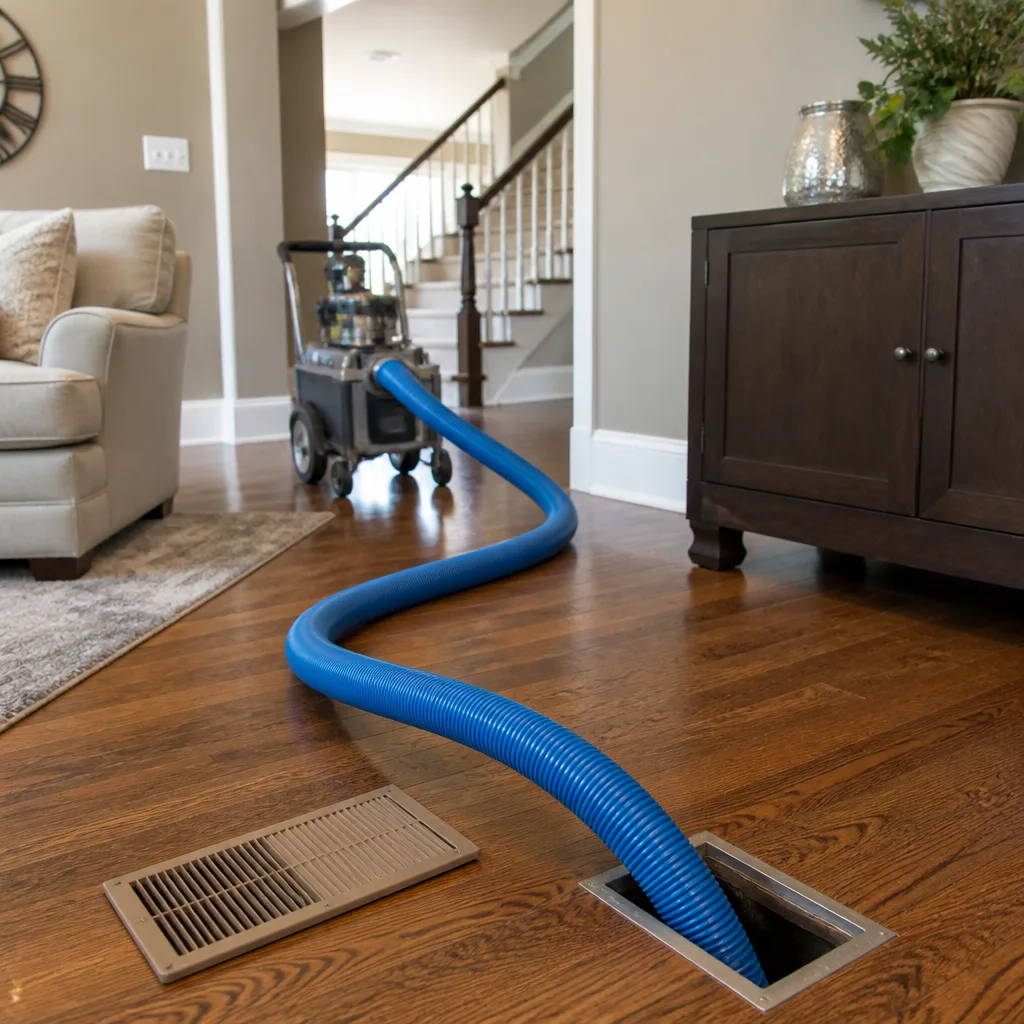
 Whole-home duct cleaning
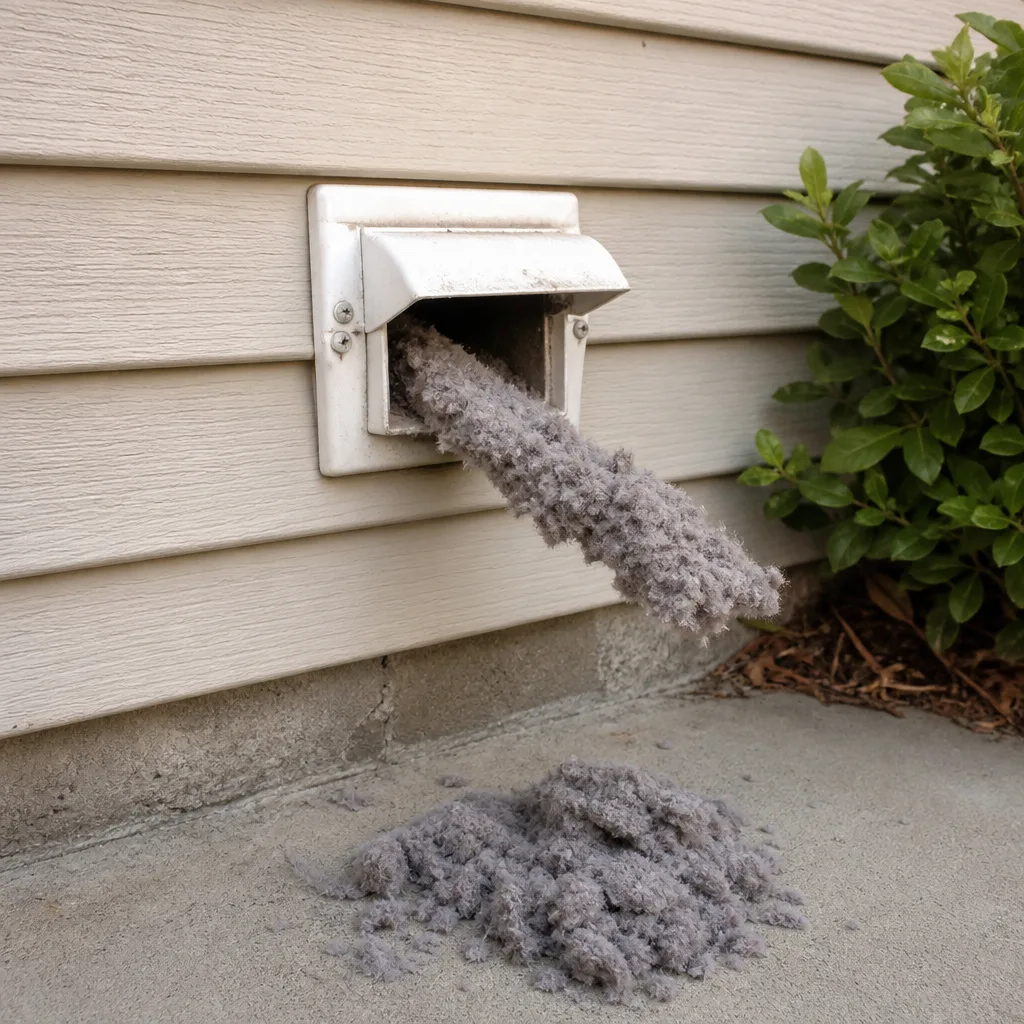 Dryer vent cleaning
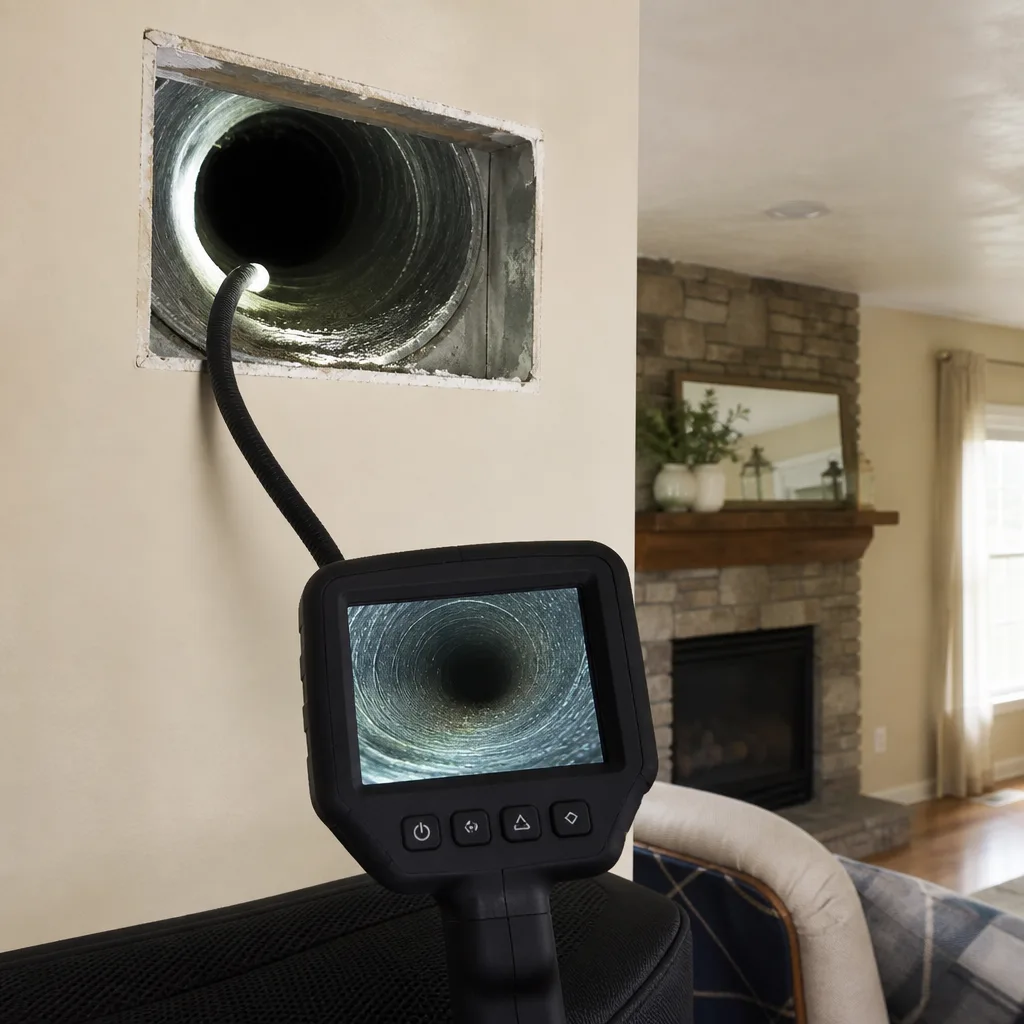 Camera inspection
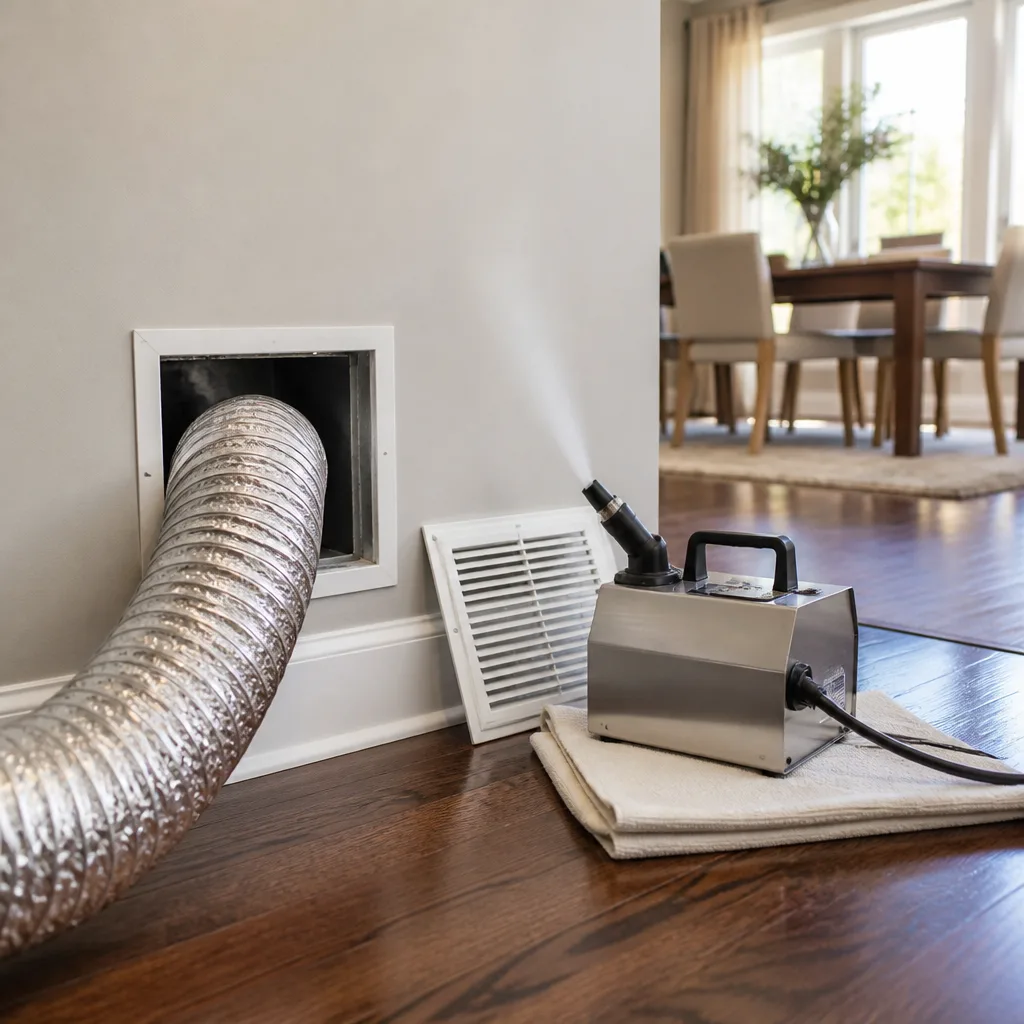 Sanitizing & deodorizing
Whole-system duct and dryer vent check with before-and-after photos - you see exactly what came out of your vents
That "$99 whole-house special" is a bait ad - the real number appears once they are in your hallway, or the "clean" is a shop-vac at the register. We photograph the inside of your ducts before and after instead.
Honeywell Register & Grille Cleaning: The San Antonio Owner’s Guide
Honeywell register and grille cleaning in San Antonio typically runs $45 – $120 per vent, depending on whether we’re doing a surface cleaning or a full removal, degrease, and sanitizing treatment. We carry Honeywell-compatible registers and grilles on our trucks, and we can usually handle the swap the same day we diagnose the problem. Most San Antonio homeowners call us after noticing a register that won’t sit flush anymore, has rust blooming around the edges, or is coated in a gray film that keeps coming back no matter how many times they wipe it down.
Here’s the thing most people don’t realize: the grille itself is rarely the root problem. What you see on the register is usually evidence of what’s happening behind it in the duct. We clean the register, yes, but we also look at what’s been collecting on it to tell you what’s actually moving through your system.
Which Honeywell Models This Applies To
Honeywell registers and grilles are spec’d into a lot of San Antonio homes, particularly those built in the last 15 years where the builder used Honeywell’s residential ventilation line. You’ll find them in standard sizes: 4×10, 4×12, 6×10, 6×12, and 8×14 inch openings for floor registers, with larger return grilles running 14×20, 16×20, and 20×25. The Honeywell stamped steel registers are what we see most often, though some homes have the extruded aluminum models that hold up better in South Texas humidity.
The identification matter is straightforward. Flip the register over and look for the Honeywell emblem stamped into the metal frame. If it’s faded, measure the opening, not the face plate. The opening dimension is what determines the replacement fit. There’s a compatibility gotcha here: Honeywell registers have a slightly different lip profile than the big-box generics, so a hardware store replacement often sits proud of the floor or leaves a visible gap. We stock OEM Honeywell registers for the common sizes and keep aftermarket equivalents that match the lip profile when OEM isn’t necessary. For a purely cosmetic register, an aftermarket equivalent saves money. For return grilles where air volume matters, we recommend staying with OEM specifications.
Linden Air Duct San Antonio is an independent service provider. We’re not affiliated with Honeywell, but we work with their products every week across San Antonio.
Styles & brands we work with
Signs Your Honeywell Register & Grille Cleaning Is Failing
- Visible gray or black film that returns within days of wiping. This is usually fine dust from deteriorating duct liner or filter bypass. The register is just the collection point. If you clean it and it comes back fast, the duct itself needs attention.
- Rust or corrosion, especially on floor registers in bathrooms or near exterior doors. San Antonio’s humidity is rough on stamped steel. Once the finish is compromised, the rust spreads under the paint and the register starts flaking. Replacement is the honest fix; cleaning won’t stop the corrosion.
- Bent or warped fins that won’t straighten. Fins direct airflow. Once they’re creased, they disrupt the air pattern and collect more debris. Straightening them by hand usually over-corrects, and they snap off at the hinge.
- A register that won’t sit flush against the floor or wall anymore. This often means the mounting ears have bent or the drywall around the opening has worn. It’s not just cosmetic. A loose register lets unconditioned air bleed around the edges, which means dust and humidity bypassing the filter.
- Whistling or rattling when the system runs. Loose fins, a damaged damper blade, or a register that’s no longer sealed to the boot can create noise. In San Antonio’s older ranch-style homes near Alamo Heights, we regularly find registers that were painted over multiple times, which throws off the tolerance between the damper and the frame.
See the difference
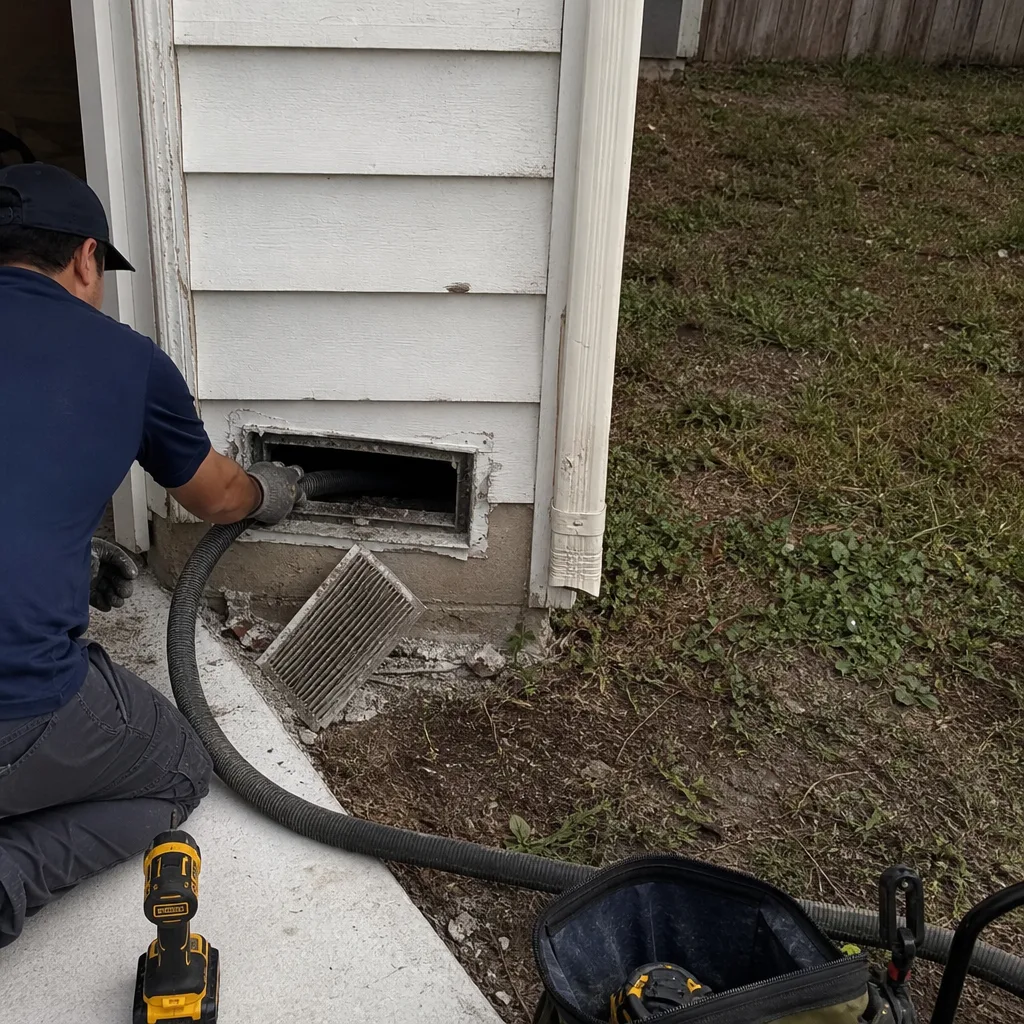 Before
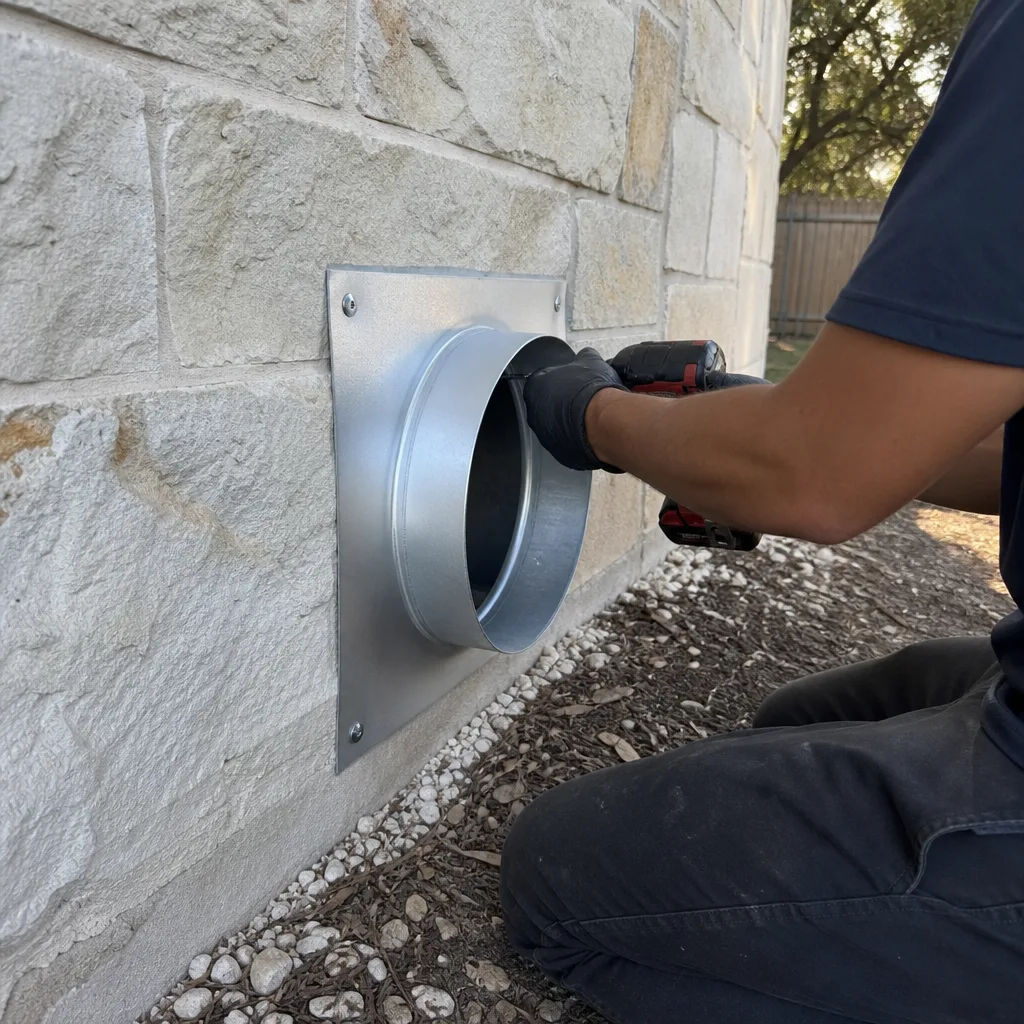 After
After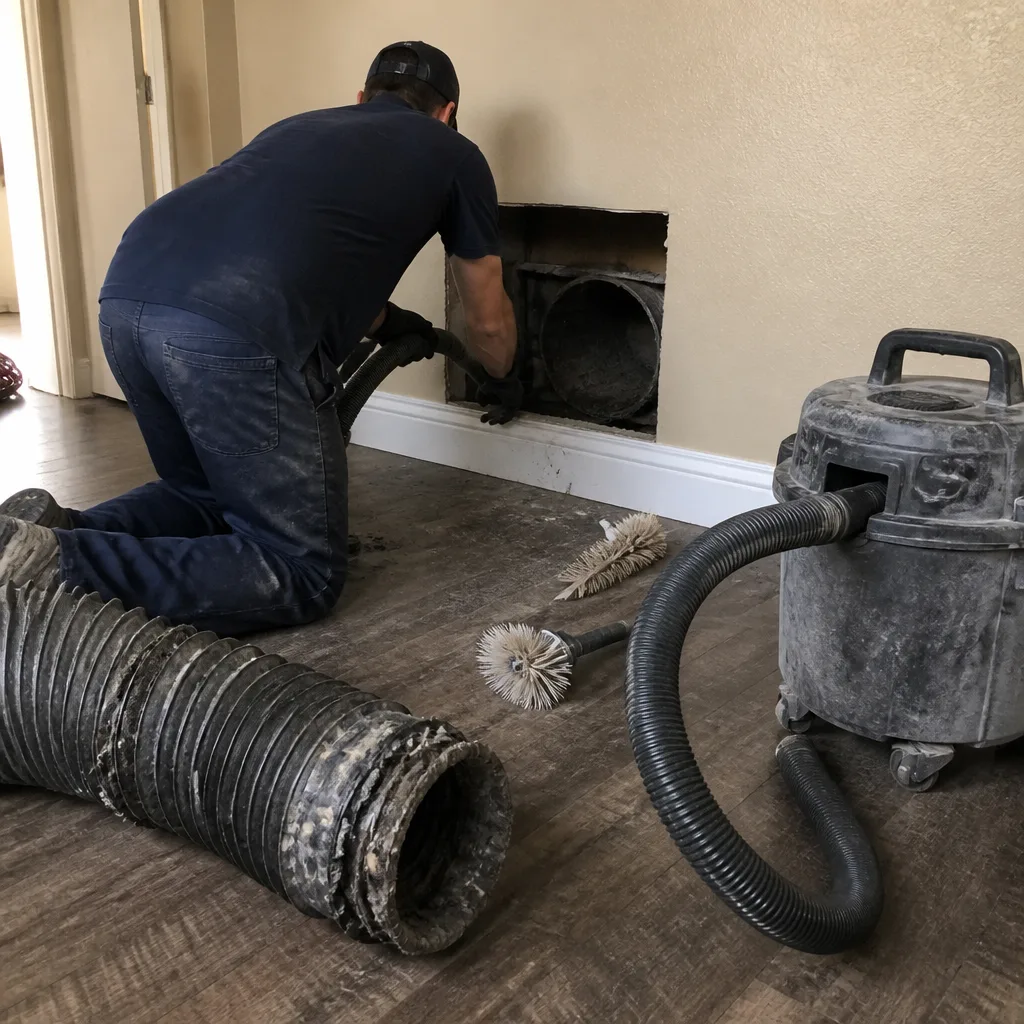 Before
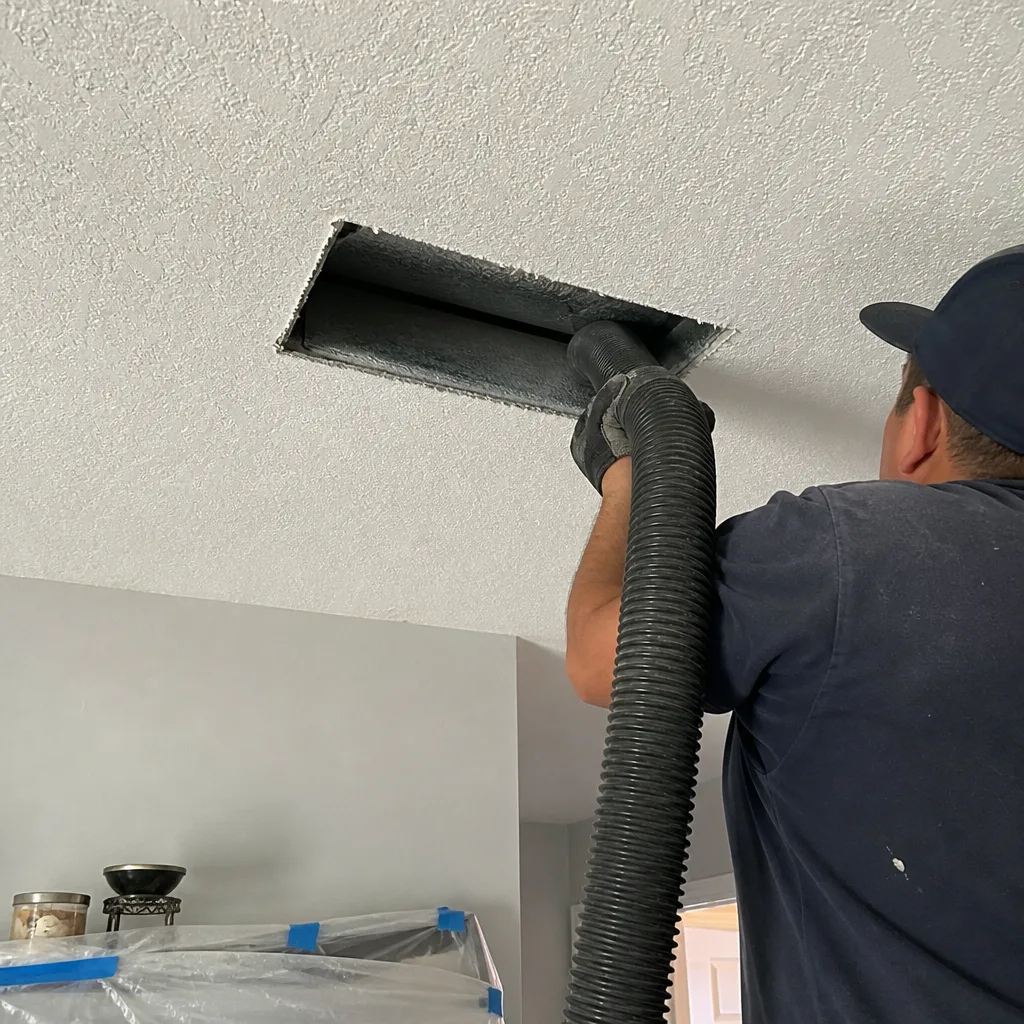 After
After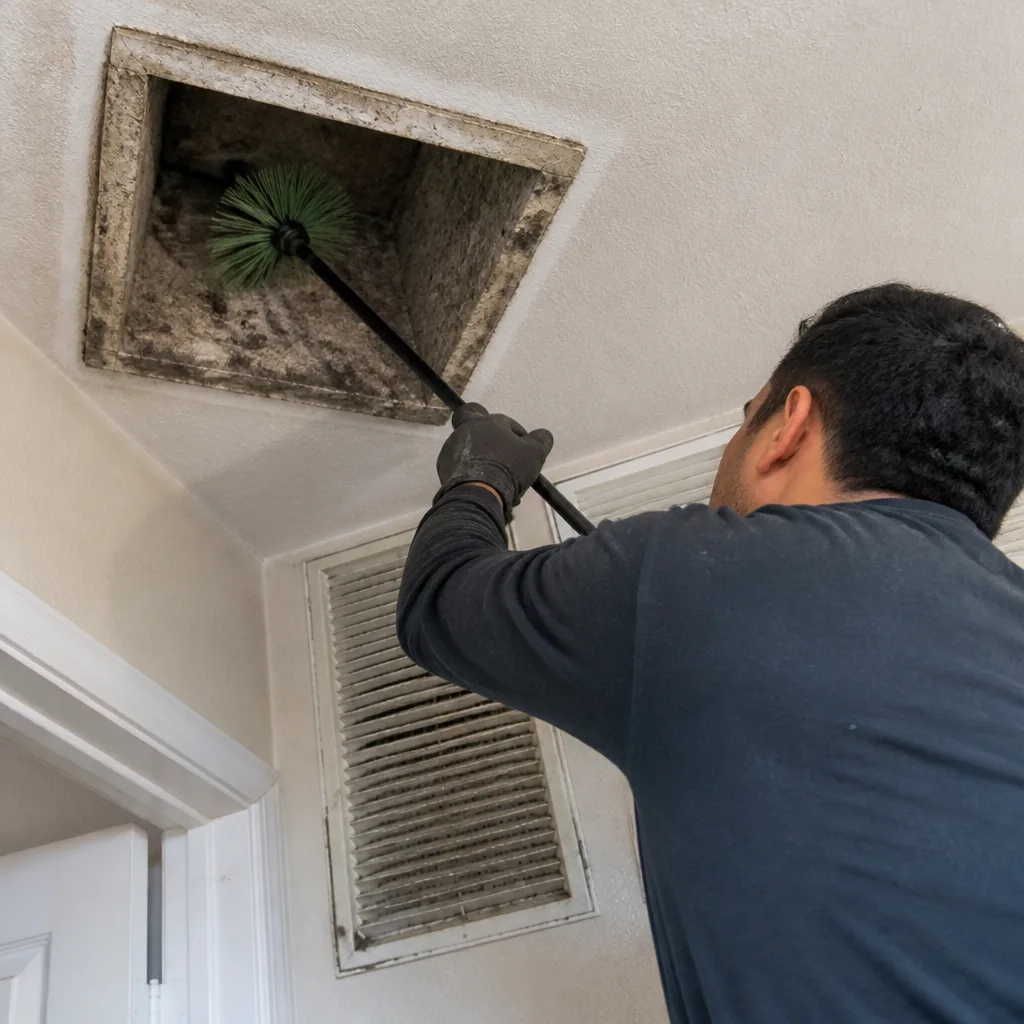 Before
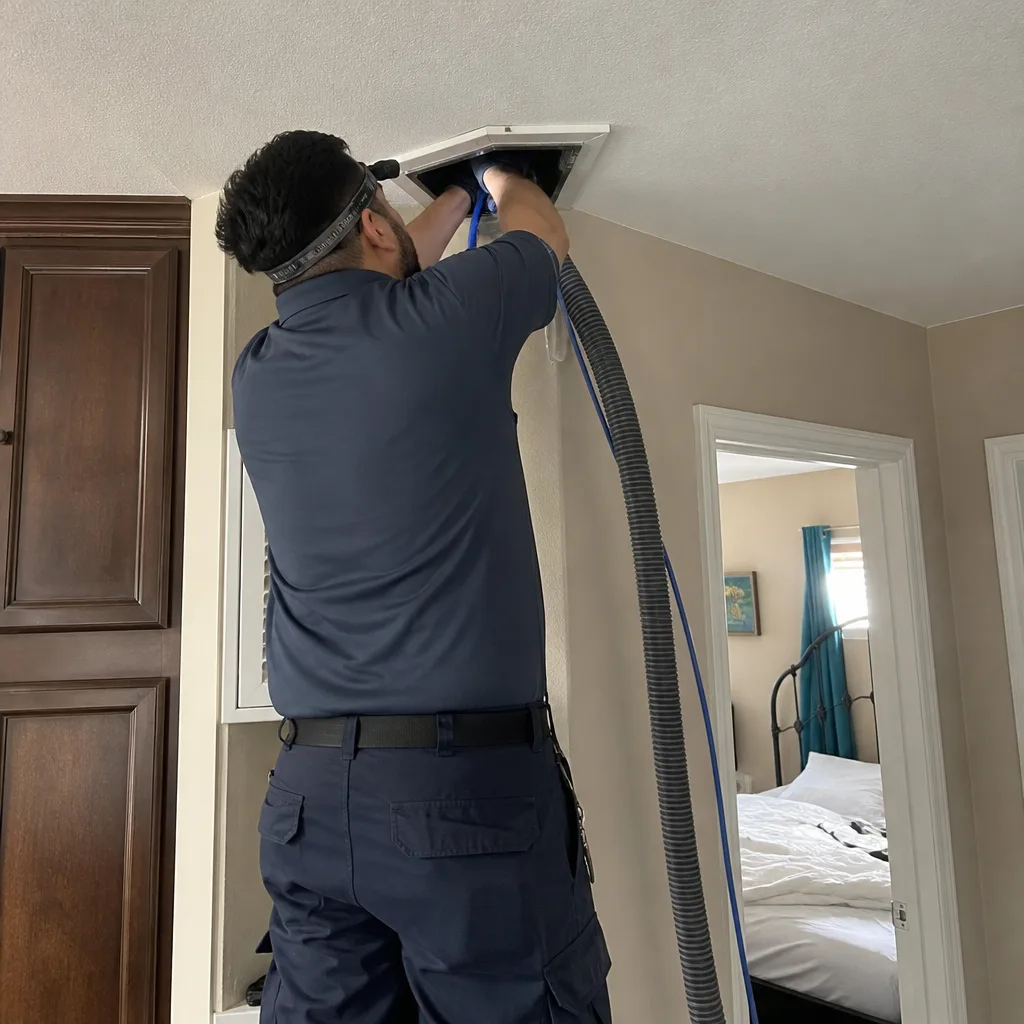 After
AfterReplacement Cost & What’s Included
For San Antonio homeowners, the honest price range breaks down like this:
- Register cleaning only (in place): $45 – $75 per register. This includes removal, degreasing, sanitizing, and reinstalling. It’s the right call when the register is serviceable but the buildup is heavy.
- Register replacement with Honeywell OEM part: $85 – $120 per register installed. The part depends on size and finish; labor covers removal, boot inspection, and seating the new register properly.
- Return grille cleaning and re-seating: $65 – $95 per grille. Larger surface area, more fasteners, more time.
What you’ll notice before any work starts: we put the price in writing. That’s our standard, not an add-on. You’ll know the exact cost per register, the part we’re installing, and what the labor covers. And every register or grille we install carries our 365-Day Done Right Promise. If the part fails or the fit isn’t right within a year, we come back and make it right at no charge. No fine print games.
The biggest variable in the range is the condition of the boot underneath. If the boot is rusted or the duct connection has loosened, that’s a separate repair, and we’ll show you exactly what we found before we touch it. Marcus Veale walks every homeowner through what he sees, so there are no surprises on the invoice.
DIY or Call Us?
Register and grille cleaning doesn’t involve dangerous components the way garage door springs or electrical panels do, so there’s room for honest DIY here. You can remove a register with a screwdriver, wash it with warm water and mild dish soap, dry it completely, and reinstall it. That’s safe and reasonable. What we tell people to avoid: sanding down rusted registers and repainting them. Once the metal is compromised, you’re buying a year of appearances at best, and the paint will outgas into your airstream. Also avoid caulking a register to the floor or wall. That’s a mess for whoever services the system later, and it doesn’t fix an improper fit.
The cases where DIY goes wrong are mostly misdiagnosis. You clean the register three times in a month and conclude the register is the problem, when actually the duct behind it is shedding. That’s when we’d rather you call us at (430) 233-7681 and describe what you’re seeing. Tell me what you’re seeing, and I’ll tell you whether it’s worth fixing. Sometimes it’s a $60 register swap. Sometimes it’s a duct issue that a clean register will never solve.
FAQs
Stamped steel Honeywell registers last 8 – 15 years in San Antonio’s climate, with bathroom and kitchen registers failing first due to humidity and grease exposure. Extruded aluminum models can go 20 years or more. If your registers are rusting at the 8-year mark, that’s normal for our humidity levels, not a defect.
If the rust is surface-level and hasn’t caused pitting or flaking, we can remove it, treat the metal, and get more life from the register. If the finish is compromised across more than a third of the surface, replacement is cheaper than the labor it would take to restore it properly. Call (430) 233-7681 and we’ll give you an honest read.
For a standard 2,000-square-foot San Antonio home with 10 – 14 registers, the full job takes 90 minutes to two hours. Registers come out, get degreased and sanitized, boots get inspected, and everything goes back in clean and seated properly. Replacement-only jobs run faster.
We stock the common Honeywell sizes on our trucks, including 4×10, 4×12, 6×10, and 6×12 floor registers. For unusual sizes or specialty finishes, we order the part and typically have it installed within a few business days. We’ll tell you upfront whether it’s a same-day job or a return visit.
Written by Marcus Veale, Owner, Linden Air Duct San Antonio at Linden Air Duct San Antonio, serving San Antonio and nearby areas.