
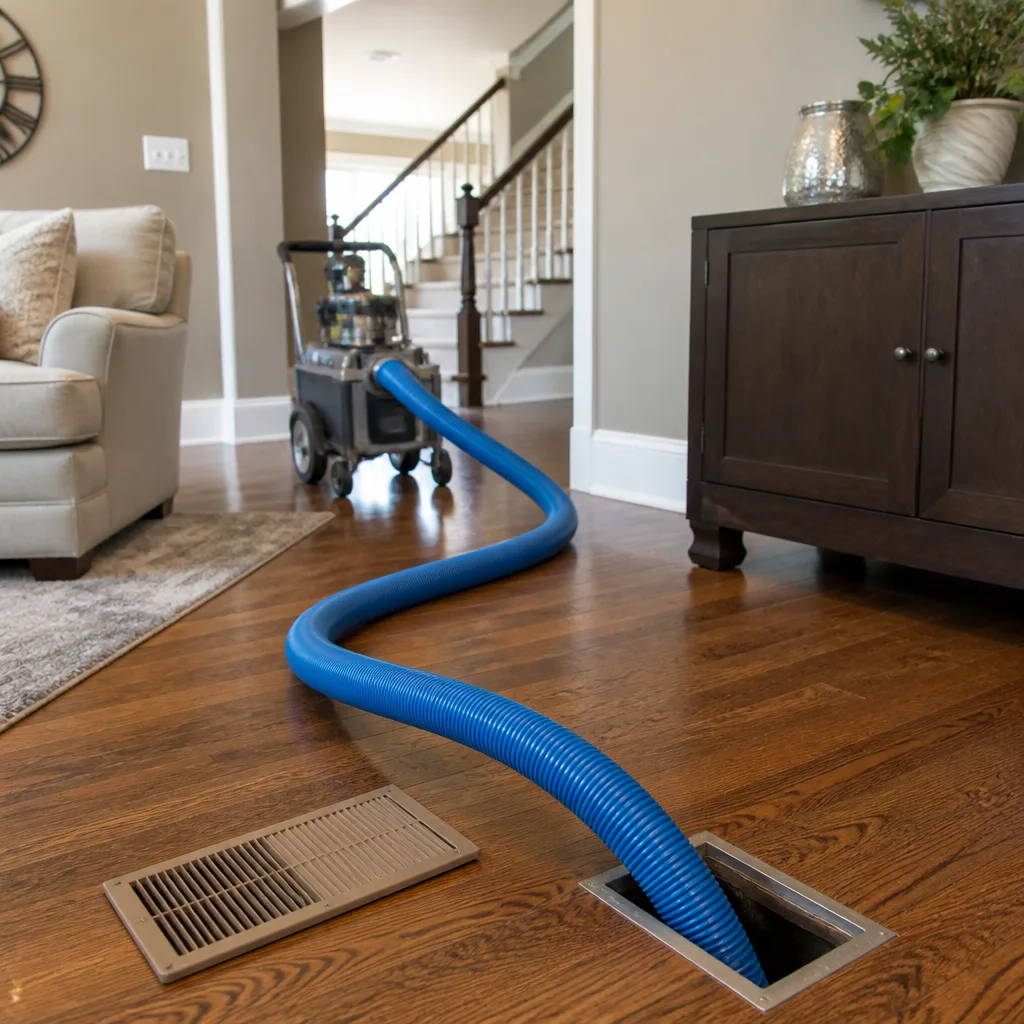
 Whole-home duct cleaning
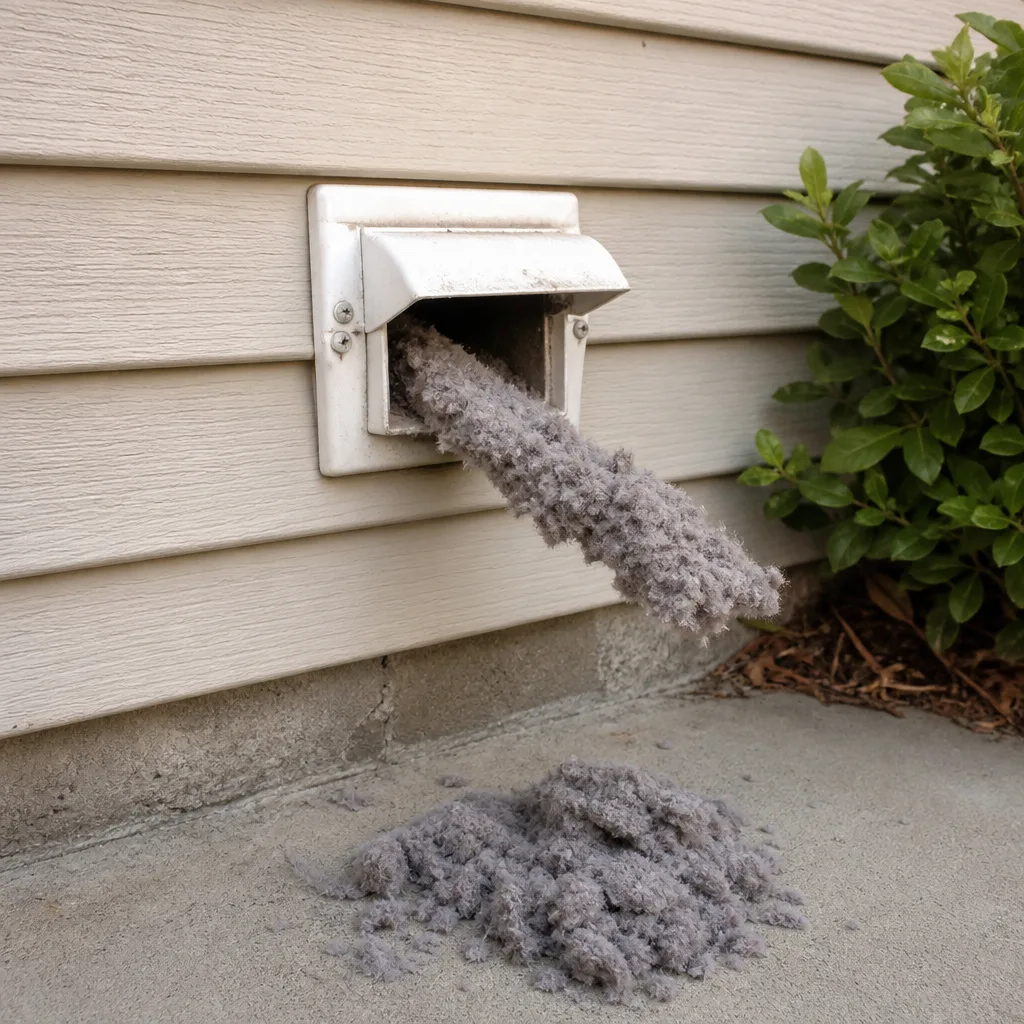 Dryer vent cleaning
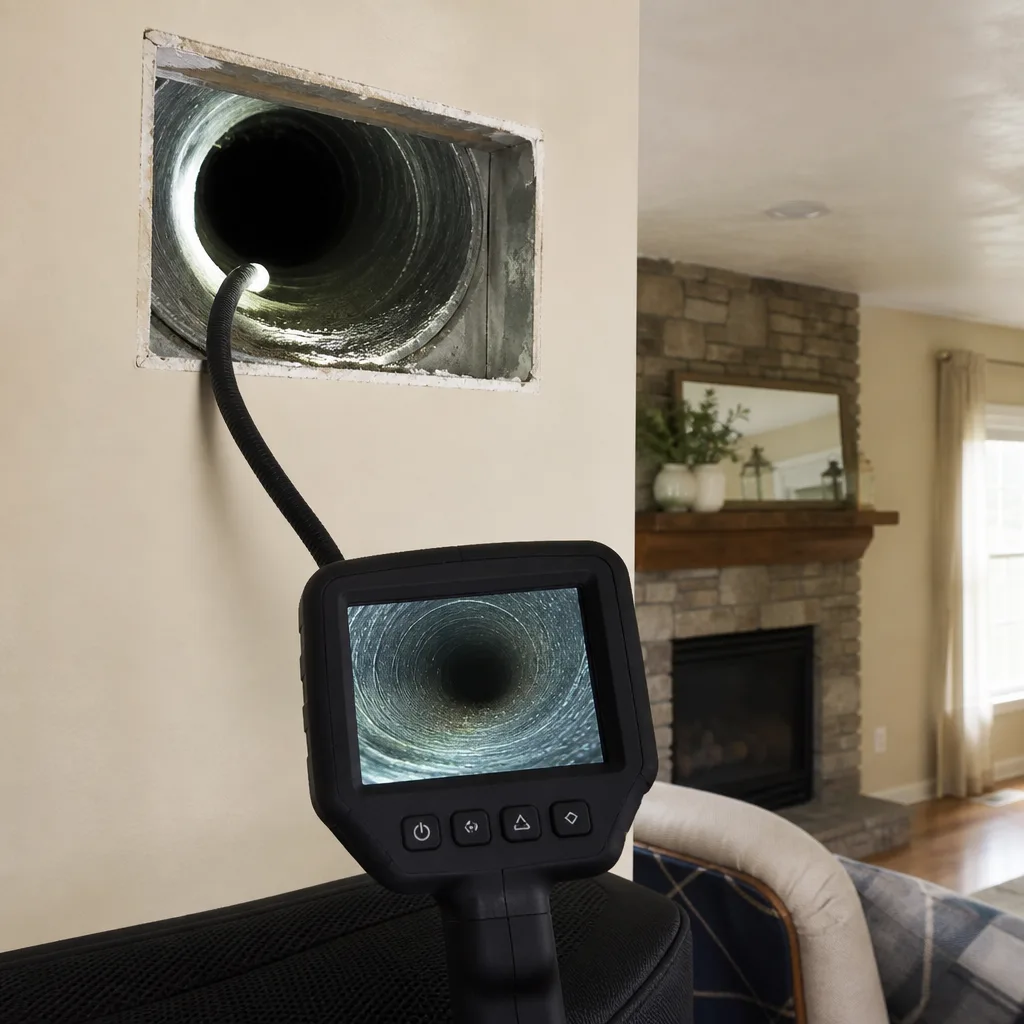 Camera inspection
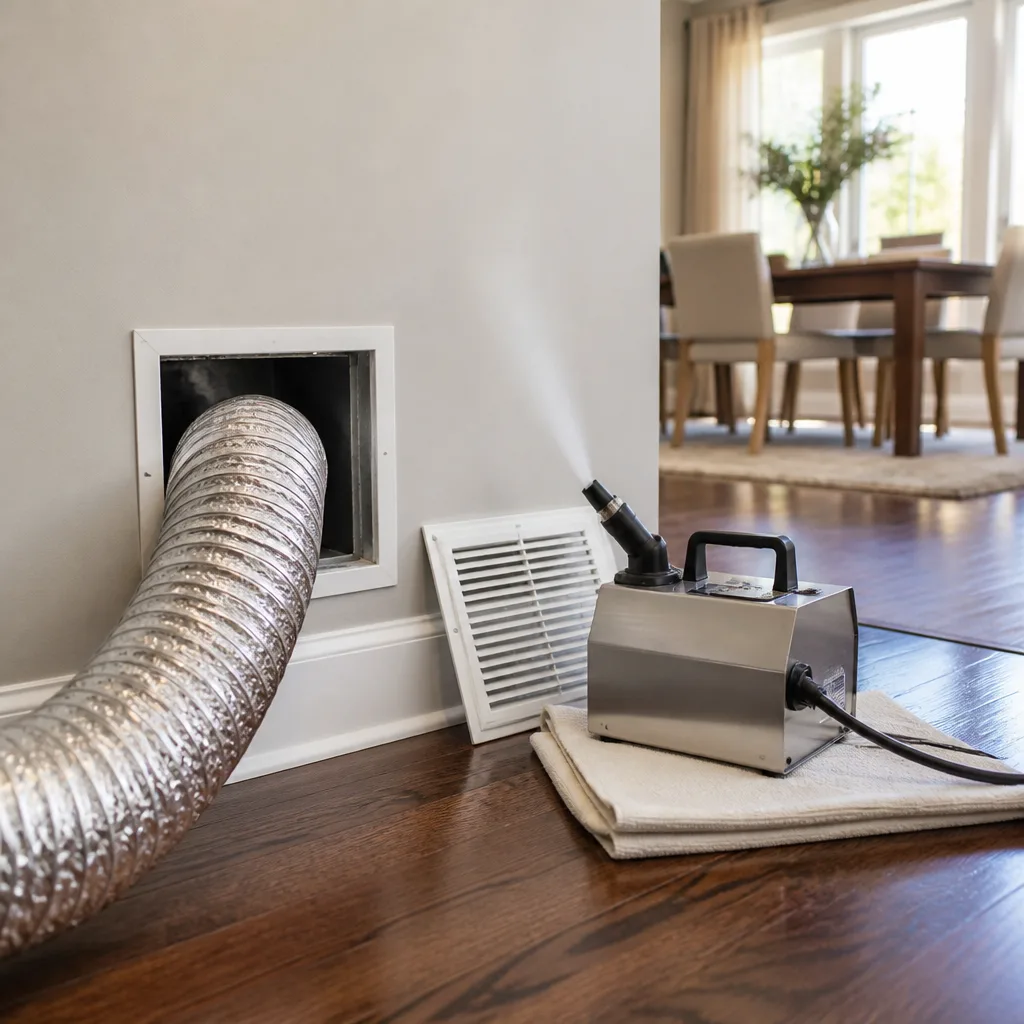 Sanitizing & deodorizing
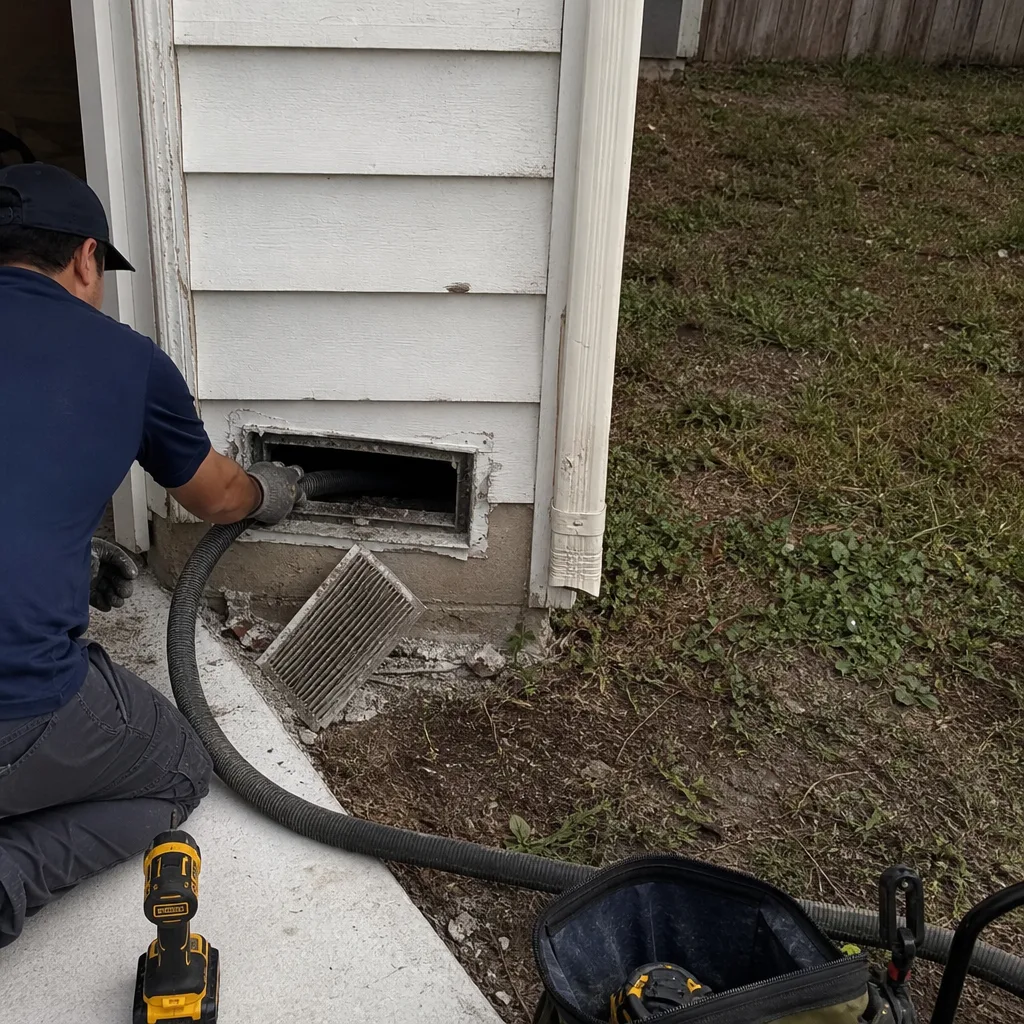
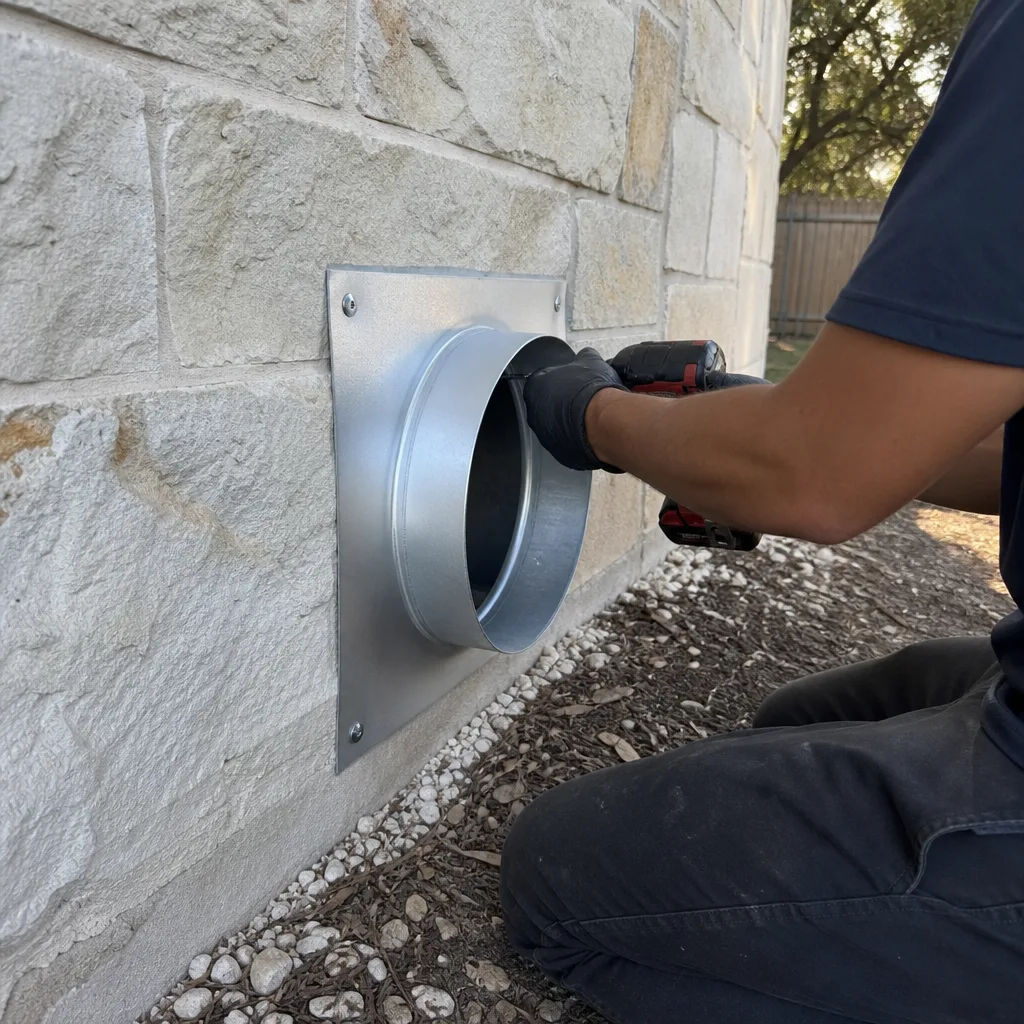
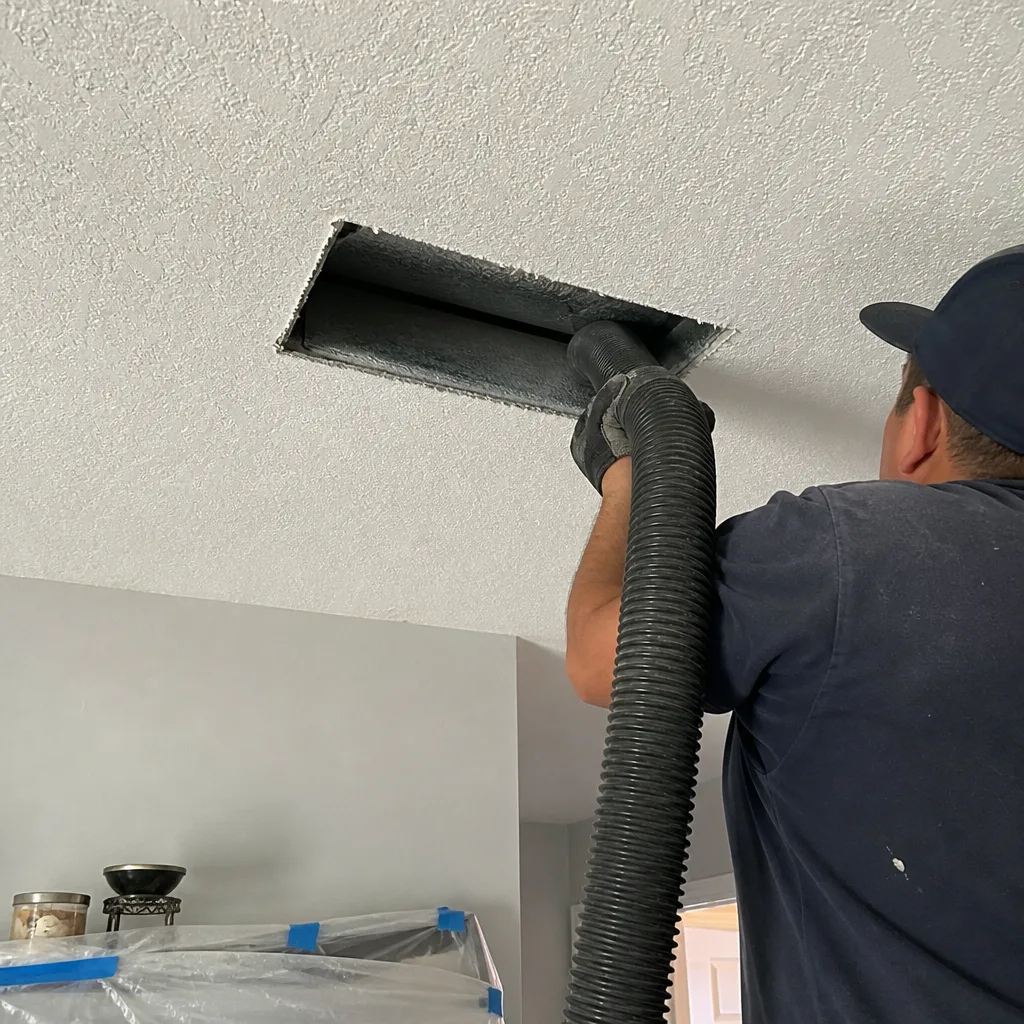
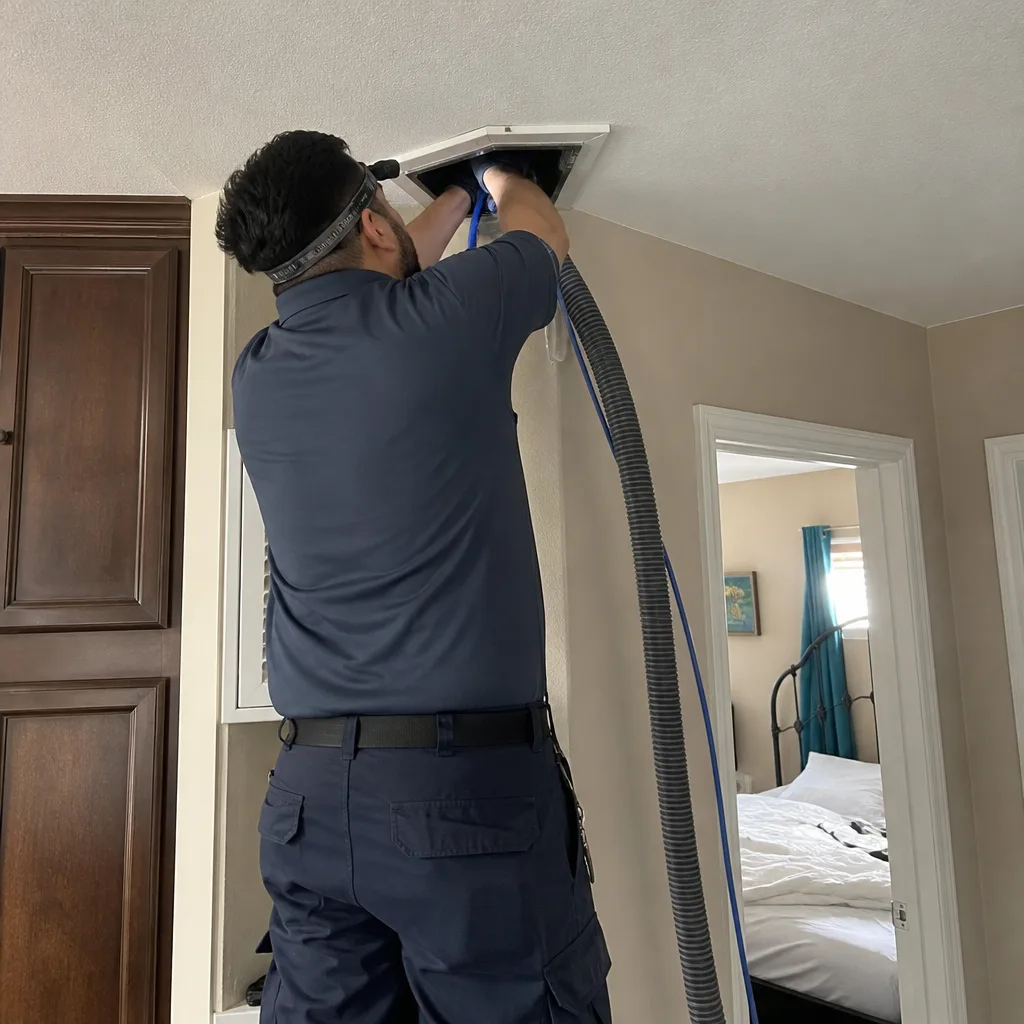
Whole-system duct and dryer vent check with before-and-after photos - you see exactly what came out of your vents
That "$99 whole-house special" is a bait ad - the real number appears once they are in your hallway, or the "clean" is a shop-vac at the register. We photograph the inside of your ducts before and after instead.
Honeywell Vent Sanitizing: The San Antonio Owner’s Guide
We stock, install, and service Honeywell vent sanitizing systems throughout San Antonio, with most replacements running between $340 and $690 installed depending on your model and duct configuration. Most homeowners discover a problem the same way: the indicator light on the unit stops cycling, or a faint ozone smell that used to appear after cleaning cycles simply never comes back. If you’ve got a Honeywell unit that’s gone quiet, here’s exactly what to expect.
Honeywell’s vent sanitizing line works by generating UV light or ionization inside your ductwork to knock down mold spores, bacteria, and odor-causing microbes as air moves across the coil and through the plenum. In San Antonio’s humidity cycles, these units work harder than they do in drier climates, and the bulbs or power modules tend to give out sooner than the national average. We see it regularly in homes from Alamo Heights to Boerne.
Key Takeaways
- Honeywell vent sanitizing replacement in San Antonio typically runs $340 – $690 installed.
- We carry OEM Honeywell bulbs and power modules on the truck for most current series models.
- Most failures are the UV bulb (rated lifespan) or the ballast, not the housing.
- Linden Air Duct San Antonio is an independent service provider, not affiliated with Honeywell. We simply know their equipment well.
- Written price before any work starts, and the repair is covered by our 365-Day Done Right Promise.
Styles & brands we work with
Which Honeywell Models This Applies To
Honeywell’s current vent sanitizing lineup in San Antonio homes breaks into two families: the UV100A and UV2400 series ultraviolet systems, and the newer UV500 series with integrated airflow sensing. The UV100A mounts to the return plenum with a single lamp; the UV2400 runs a dual-lamp setup for larger ductwork, which is common in the two-story homes out toward Stone Oak and Helotes. The UV500 series adds an airflow sensor that powers the lamp only when the blower runs, which extends bulb life in theory but adds a failure point we see more often in practice.
Here’s the compatibility gotcha most owners miss: Honeywell changed the lamp connector design between the UV100A’s first and second generation, and you cannot swap bulbs across them even though the housings look nearly identical. The label on the power supply will say either “UV100A” with a date code, or list “UV100A-2” for the revised connector. If you’re unsure, take a photo of the label before ordering anything. The lamp length is also not interchangeable between the single-lamp and dual-lamp units. We match OEM Honeywell lamps by model and date code, and for older discontinued series we’ve had consistent results with a quality aftermarket equivalent, though we’ll only install one if the OEM part is no longer available through normal supply channels.
Signs Your Honeywell Vent Sanitizing Is Failing
- The indicator light is dead or blinking erratically. On most Honeywell UV units, the LED on the power supply tells you the lamp’s status. A solid green means it’s lit; a blinking or dark LED usually means the bulb has reached end of life or the ballast has failed.
- You smell stale or musty air when the blower runs. When the UV lamp quits, the microbial growth it was suppressing returns to the coil and plenum surfaces. In San Antonio humidity, this can happen within a few weeks of the lamp dying.
- Your seasonal allergies are worse inside the house than outside. This is a telltale sign the sanitizer stopped doing its job. The system is passive; when it’s working, you don’t notice it. When it’s not, the air quality shift is often felt before it’s seen.
- Visible crust or scaling on the lamp itself. If you can safely access the viewing port, a lamp that’s coated in a white or gray film is at the end of its useful output, even if it still technically glows.
- The unit hums but no UV glow is visible. That’s the ballast trying to fire a dead bulb. Continuing to run it like this will burn out the ballast, which doubles the repair cost. Turn the unit off and get it looked at.
Replacement Cost & What’s Included
| Repair Type | Typical San Antonio Price Range |
|---|---|
| Single-lamp UV bulb replacement (UV100A, UV500) | $180 – $275 installed |
| Dual-lamp bulb replacement (UV2400, larger UV500 units) | $240 – $340 installed |
| Ballast/power module replacement | $210 – $290 installed |
| Complete unit replacement (parts and labor) | $340 – $690 installed |
The spread comes down to your specific Honeywell model, whether it’s a bulb or a ballast failure, and how accessible your plenum is. San Antonio ranch homes with attic-mounted air handlers are usually faster to work on; closets and crawlspace installs take longer and cost a bit more. Every job includes the part, the labor, a written price before we touch a tool, and the 365-Day Done Right Promise in writing. If the repair fails within that year, we come back at no charge. That’s not a promo; it’s how we’ve worked since 2004.
Call (430) 233-7681 and tell us your model number. We’ll give you a real price range over the phone before we schedule anything.
DIY or Call Us?
Replacing a Honeywell UV lamp is, in the right hands, straightforward: power the unit down, remove the lamp guard, twist the old bulb out, seat the new one, and reset the hour counter. If the lamp has a simple glass tube and you can reach it without touching the coil, some handy San Antonio homeowners handle it themselves.
But the failure mode we see most often isn’t the bulb; it’s the ballast, and that’s where DIY goes sideways. UV ballasts carry high-voltage output and require matching the right driver to the right lamp; wiring the wrong ballast will damage a new bulb on first fire, and can damage the unit’s control board too. If your unit has any sign of electrical fault, a burnt smell, or charring around the wires, leave the power off at the breaker and call us. We’d rather quote you an honest price than see someone hurt or a unit fried. Tell me what you’re seeing, and I’ll tell you whether it’s worth fixing.
See the difference
 Before
 After
After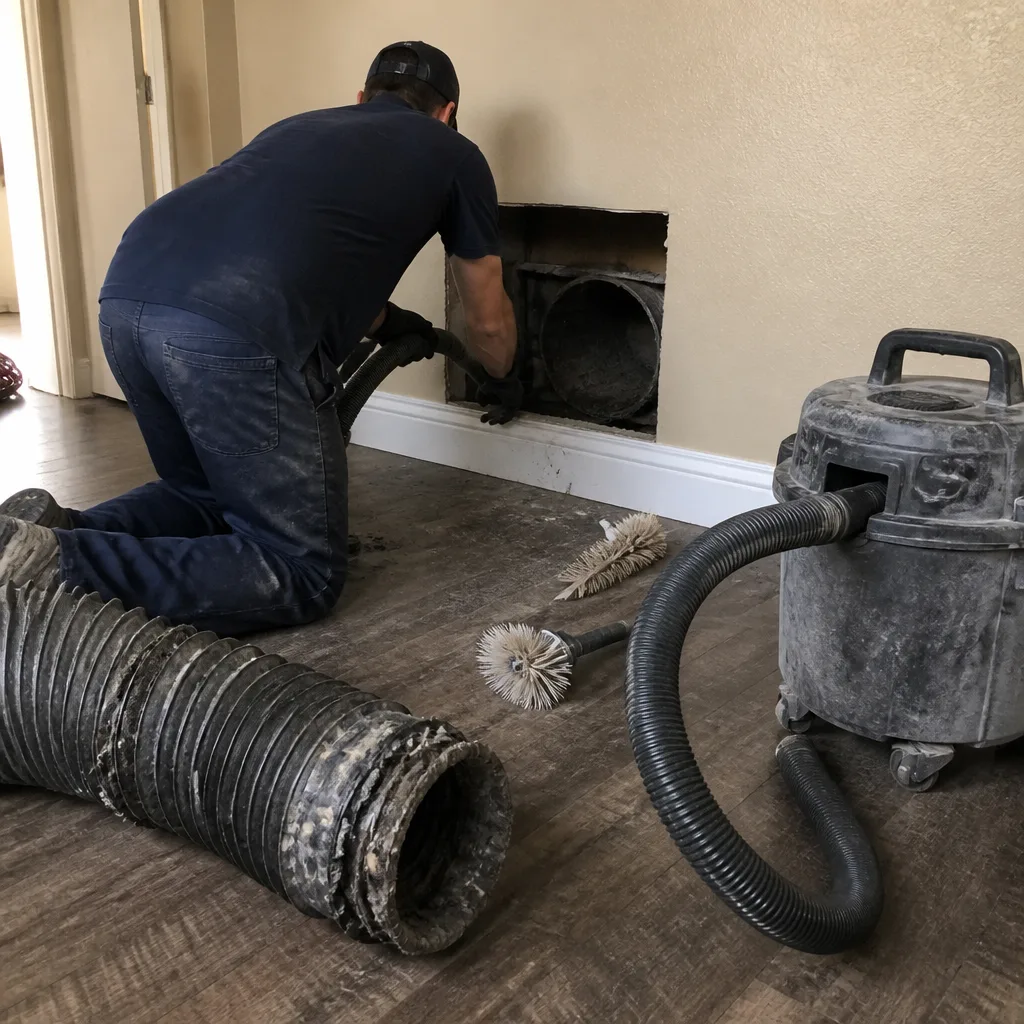 Before
 After
After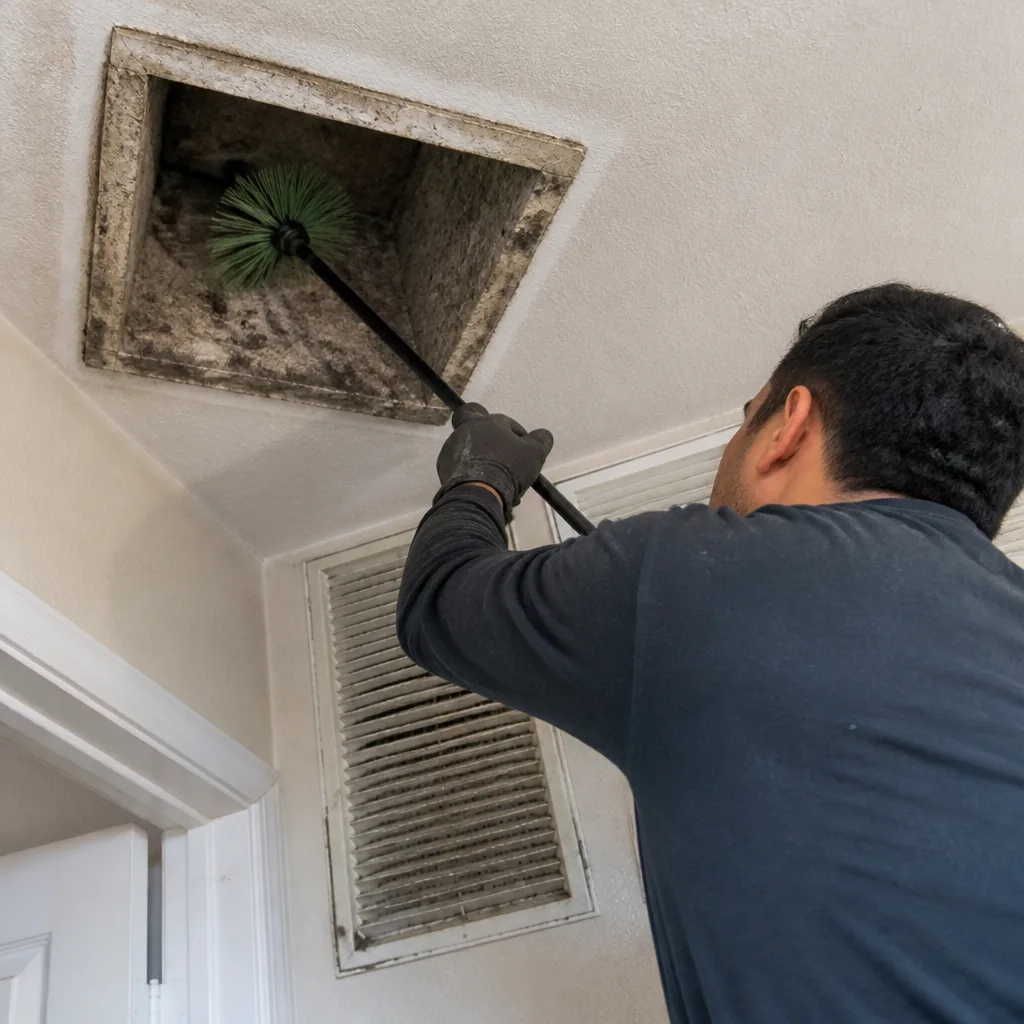 Before
 After
AfterHow Long Does a Honeywell UV Bulb Actually Last in San Antonio?
Honeywell rates most UV sanitizer bulbs for 9,000 to 12,000 hours of operation, which works out to roughly 12 to 14 months of continuous run time. In San Antonio, where air conditioners run hard from April through October, that lifespan can shorten to 9 or 10 months. If you have a UV500 series with airflow sensing, the bulb only runs when the blower runs, which can stretch replacement intervals to 18 months or more.
Can the Sanitizer Be Repaired, or Does It Need Full Replacement?
Most Honeywell vent sanitizing failures are repairable: a new bulb or a new ballast brings the unit back to spec. Full replacement only makes sense when the housing is cracked, the control board is fried, or you’re on a discontinued series with no parts support. We’ll show you exactly what failed, quote the repair and the replacement side by side, and let you decide without any pressure.
How Long Does the Replacement Take?
A bulb swap takes about 30 minutes once we’re at the unit. A ballast replacement runs 45 minutes to an hour. A full unit replacement, including cutting into the plenum if needed, is typically a half-day job. We schedule in real windows, not “sometime between 8 and 5,” and we’ll call when we’re 20 minutes out.
Do You Stock Honeywell Parts on the Truck?
Yes. We keep OEM Honeywell bulbs and ballasts for the UV100A, UV2400, and UV500 series on the truck, along with power modules for the most common San Antonio installs. We also stock aftermarket equivalents for discontinued Honeywell models when OEM is no longer available. If your model needs a special-order part, we’ll tell you before we schedule, not after we’re in your attic.
Built for San Antonio’s Air
South Texas heat cycles stress a duct system in ways installers from cooler climates never anticipate. We’ve pulled everything out of San Antonio return vents over the years: pet hair matted so thick it looked like felt, dryer sheets, children’s toys, and one thing from a Stone Oak return that we’d rather not describe in detail. The point is, the air you breathe comes from somewhere. If your Honeywell vent sanitizing unit has gone quiet, it’s not doing the job you paid for. That’s worth fixing, and it’s worth fixing right.
Call (430) 233-7681 for a free estimate. A real person answers, day or night, and we’ll put the price in writing before any work begins. We also stock and service parts for Lennox, Trane, and Carrier systems if your sanitizer is paired with other equipment.
Written by Marcus Veale, Owner, Linden Air Duct San Antonio at Linden Air Duct San Antonio, serving San Antonio and nearby areas.