
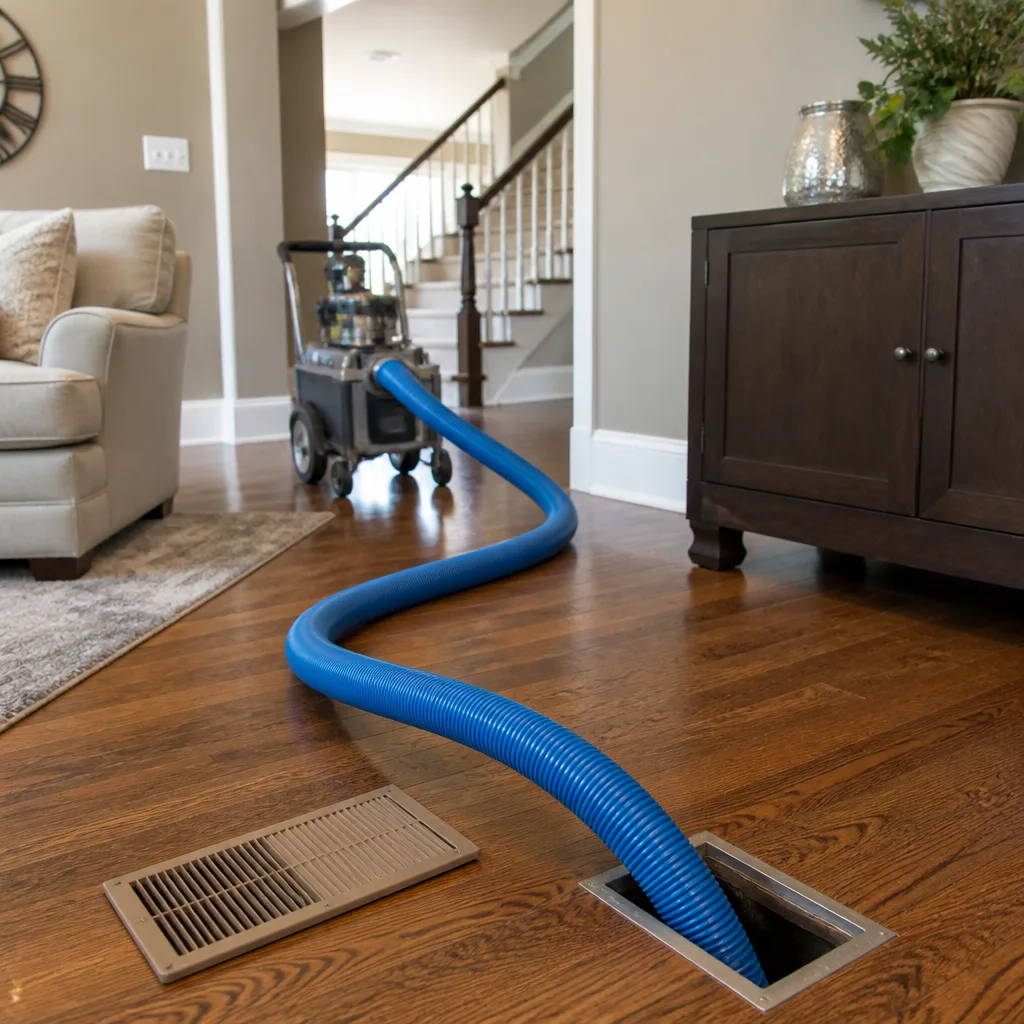
 Whole-home duct cleaning
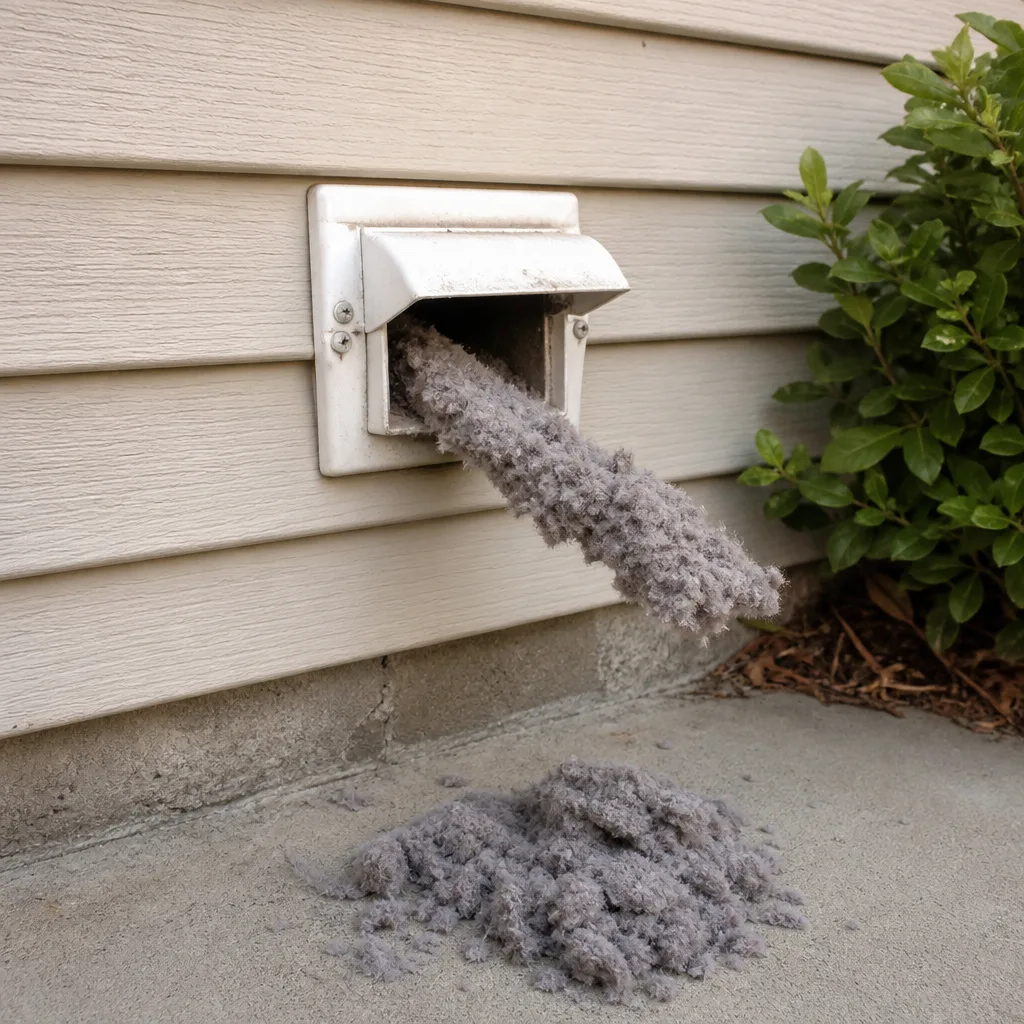 Dryer vent cleaning
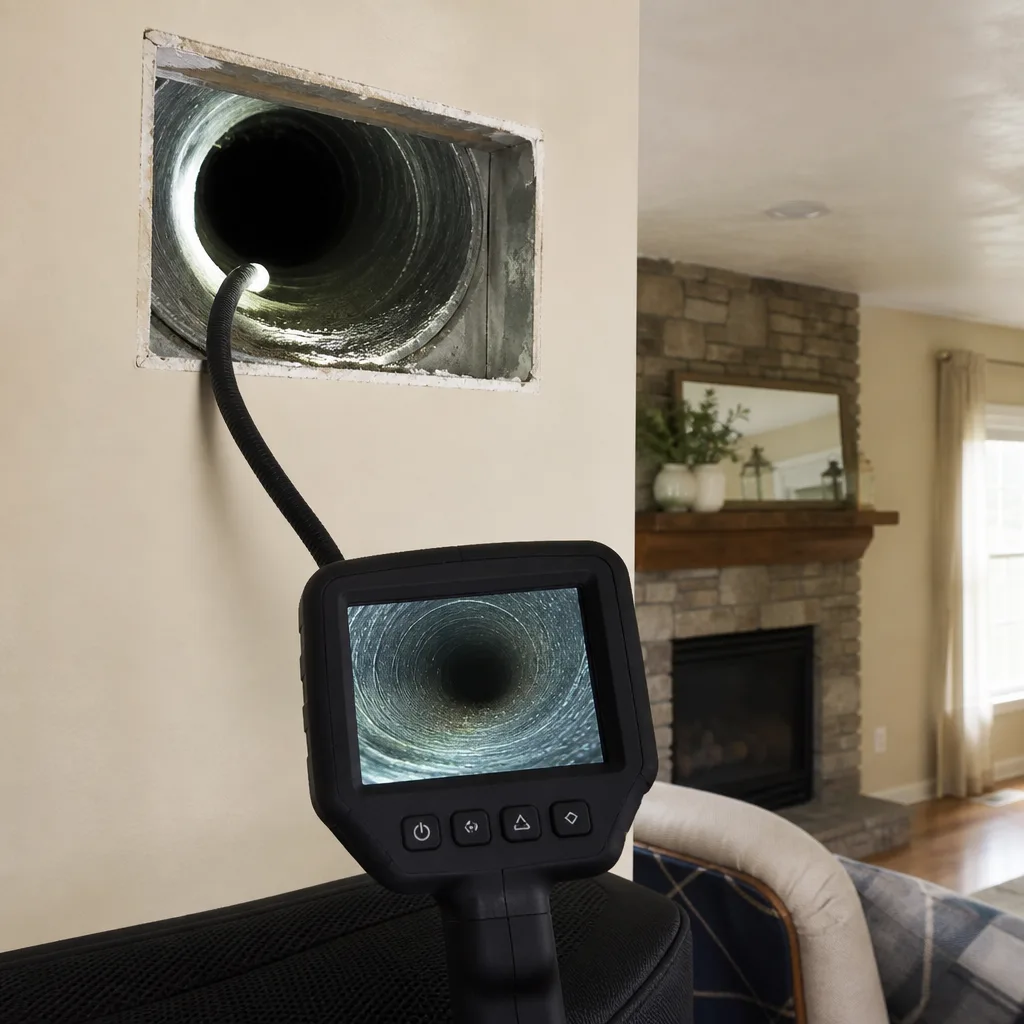 Camera inspection
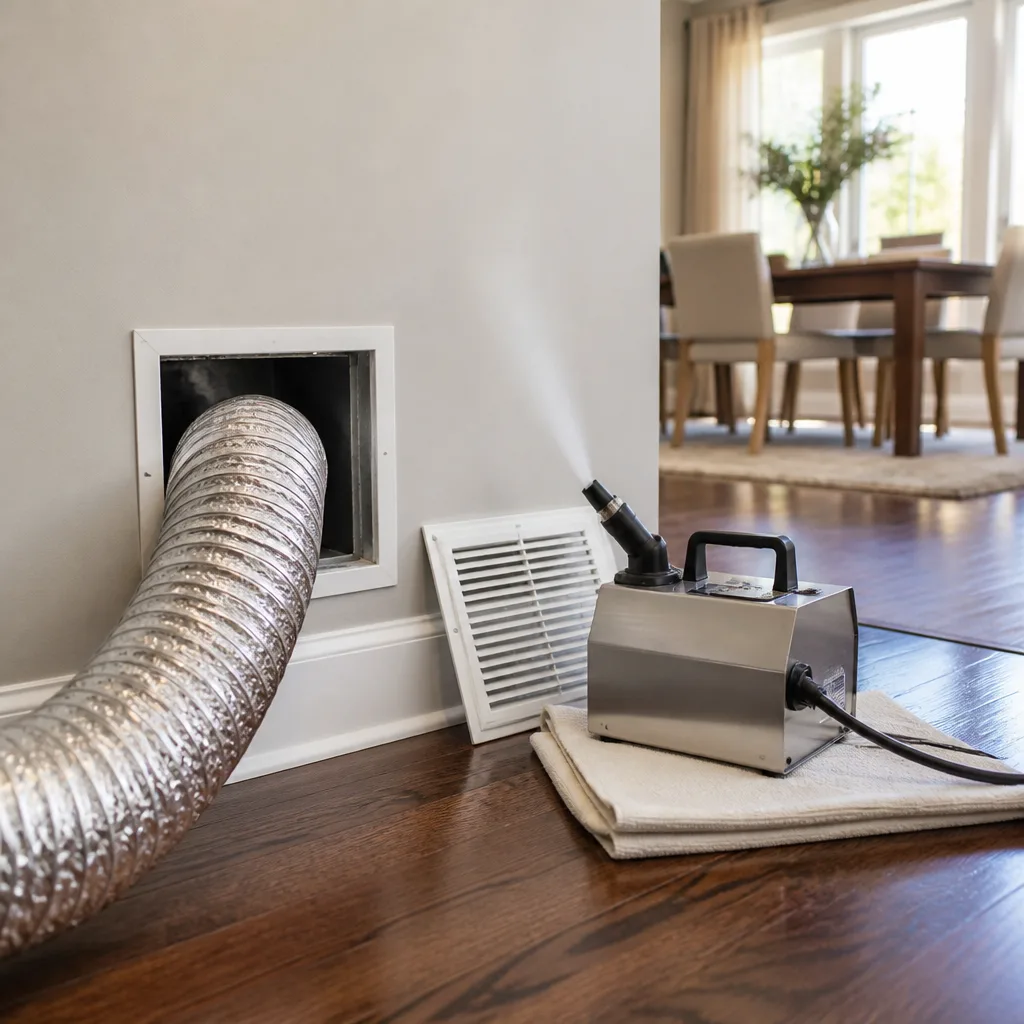 Sanitizing & deodorizing
Whole-system duct and dryer vent check with before-and-after photos - you see exactly what came out of your vents
That "$99 whole-house special" is a bait ad - the real number appears once they are in your hallway, or the "clean" is a shop-vac at the register. We photograph the inside of your ducts before and after instead.
Rotobrush Register & Grille Cleaning: The San Antonio Owner’s Guide
Register and grille cleaning attachments for Rotobrush systems typically cost $145 to $310 installed in San Antonio, and we stock the common sizes on our trucks so most replacements happen in a single visit. If your Rotobrush attachment has stopped picking up debris, leaves dust behind on supply registers, or the brush head won’t spin under load, you’re looking at a worn drive assembly, a clogged air path, or a damaged brush core. We’ll match the part to your exact Rotobrush model, quote one flat price before work begins, and back the job with our 365-day written guarantee.
Which Rotobrush Models This Applies To
The register and grille cleaning attachment fits the Rotobrush aiR+ line, the older R500 and R2000 series, and the briefcase-style portable units that show up in a lot of San Antonio service vans. The compatibility gotcha is the connection collar: early R500 heads used a 1.5-inch friction-fit collar, while the aiR+ series moved to a 1.75-inch locking collar with a detent pin. If you don’t know which one you have, look at the plastic collar where the hose meets the head. A smooth slide-on collar means the older spec; a collar with a metal pin that clicks means the newer one. The brush core itself changed too: aiR+ heads run a nylon core with crimped polymer bristles, while the R2000 shipped with a steel-core brush that lasted longer but was more likely to scratch painted registers if the operator pushed too hard.
On the OEM-versus-aftermarket question: Rotobrush-branded replacement heads and brush kits are reliable but carry a premium because of the name. Quality aftermarket brush kits from the same trade suppliers we use often match or beat OEM bristle density, but the collar tolerances vary. A loose aftermarket collar means air leaks at the connection, which kills suction at the register face. We don’t stock collars that don’t seat tight. For San Antonio homes with heavier dust from construction or the dry summer months, a denser aftermarket brush can actually cut cleaning time on ceiling registers. We’ll show you the options and quote both so you can decide based on what the job actually needs, not what’s on a shelf.
Styles & brands we work with
Signs Your Rotobrush Register & Grille Cleaning Head Is Failing
- Weak pickup at the register face. If the head leaves a visible dust ring around the vent opening, the brush core is worn down or the internal air channel is partially blocked. The bristles should reach slightly past the register face; when they stop doing that, suction alone won’t pull embedded dust.
- Brush head won’t spin under load. When you press the brush against a register, it should keep turning. If it stalls, the drive spindle or the internal bearing is worn. Running a stalled motor burns out the attachment motor quickly, so stop and get it looked at.
- High-pitched whine from the head. That’s a bearing going dry or a misaligned spindle. It gets louder the longer it runs, and heat buildup at the bearing will eventually warp the plastic housing. Catching it early means replacing a bearing; ignoring it means a whole new head assembly.
- Loose hose connection. If the hose keeps popping off the collar, the collar detent pin is worn or the collar itself has cracked. Duct tape is a temporary patch, not a fix. A loose connection loses 30 to 50 percent of your suction at the register, depending on the gap.
- Debris coming back out of the vent. When the attachment pushes debris around instead of pulling it in, the internal air deflector inside the head has come loose or cracked. That deflector channels the suction path directly across the brush face; without it, the airflow just bounces around inside the housing.
See the difference
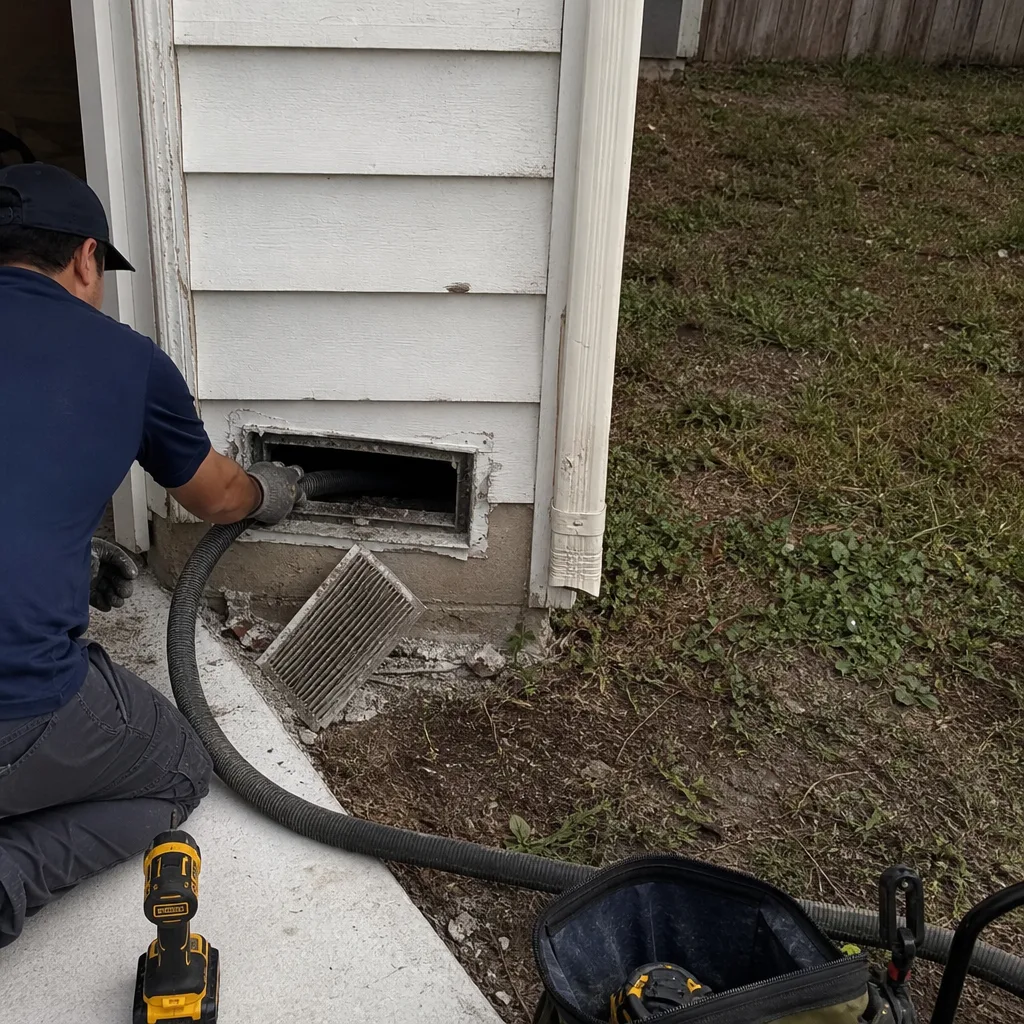 Before
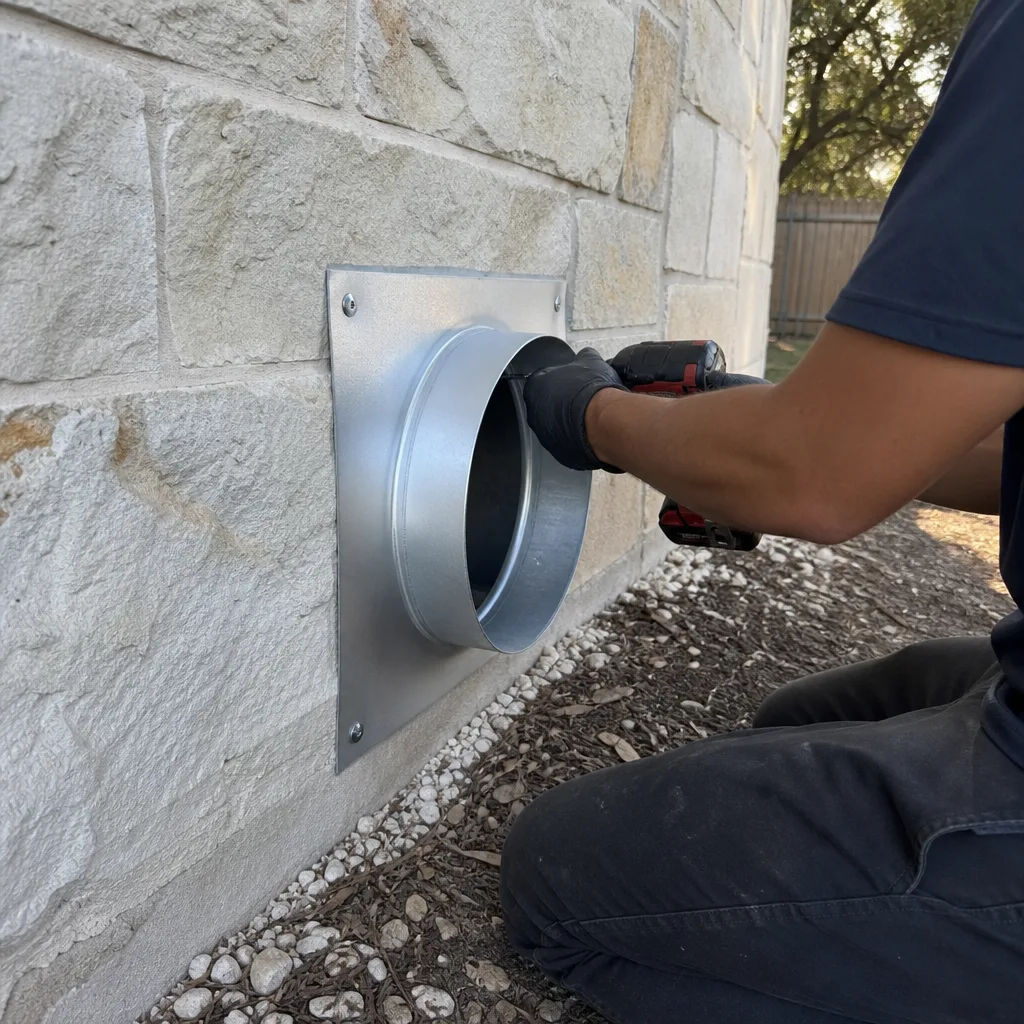 After
After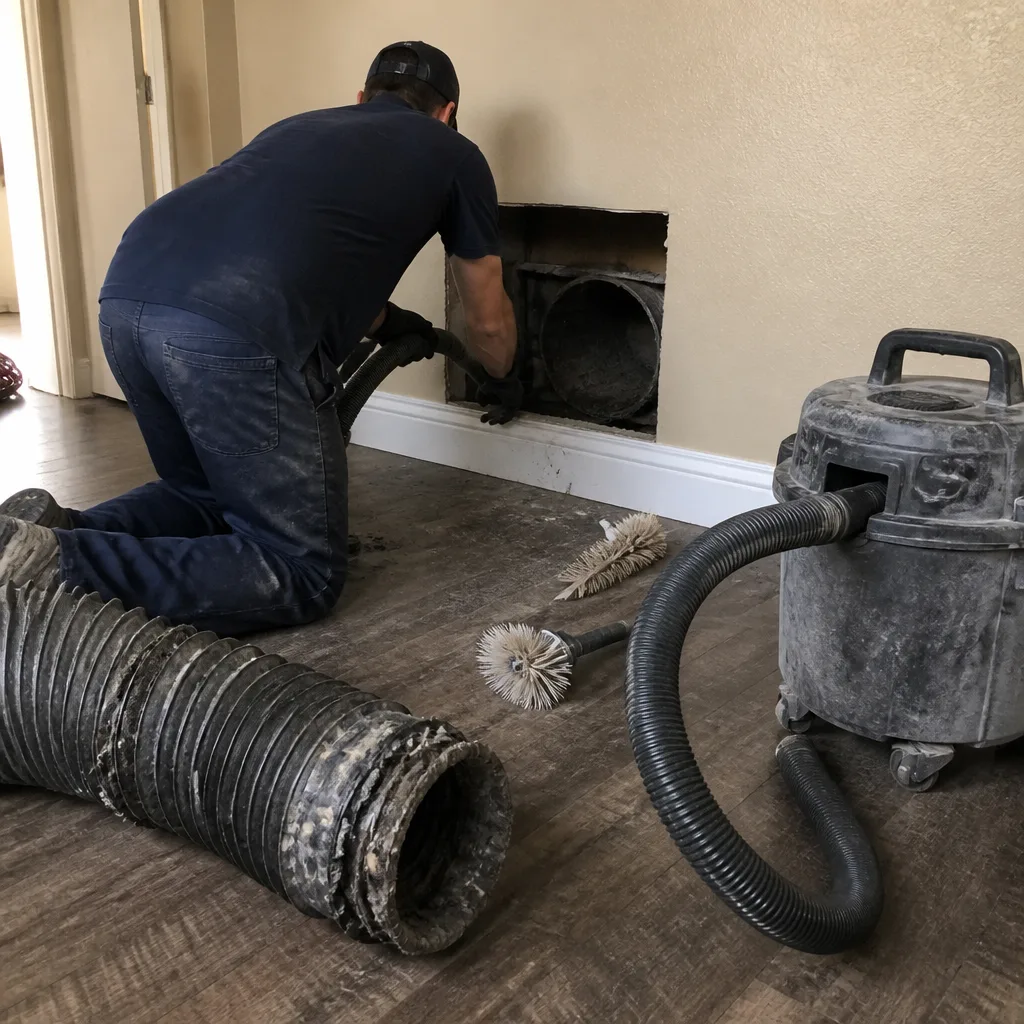 Before
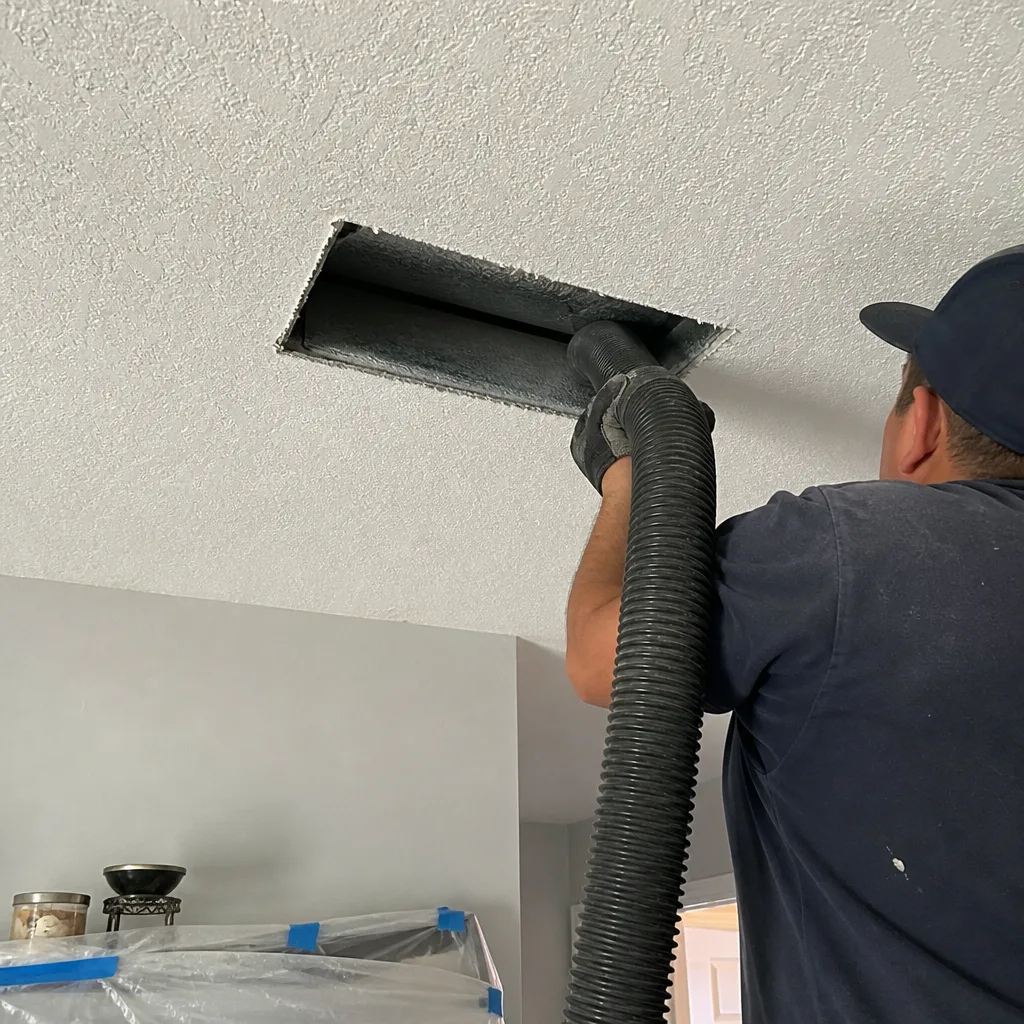 After
After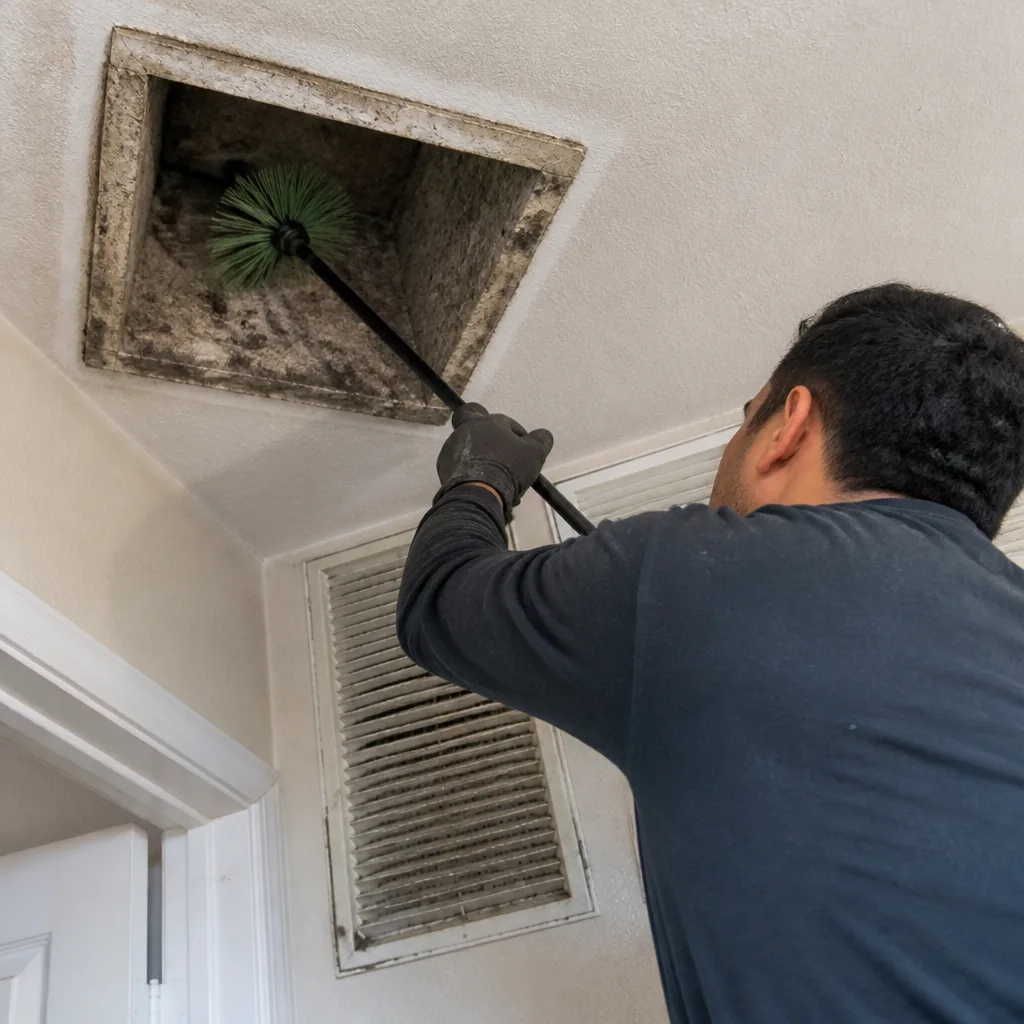 Before
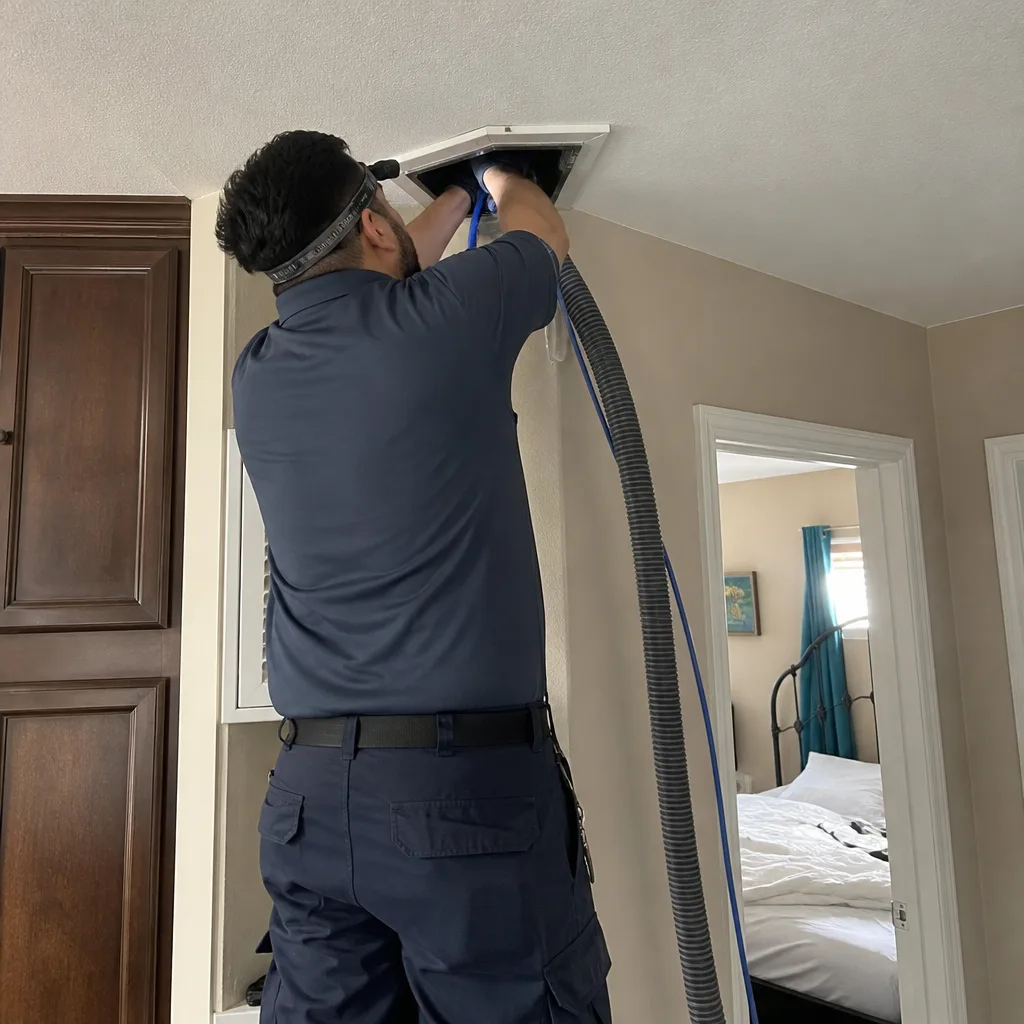 After
AfterReplacement Cost & What’s Included
In San Antonio, you’ll pay between $145 and $310 installed for a Rotobrush register and grille cleaning head replacement. The low end covers a quality aftermarket brush core and collar swap on an R500-series attachment. The high end is a full OEM aiR+ head assembly with a new brush core, drive spindle check, and housing inspection. Materials run $65 to $190 depending on brand and series; labor is typically 30 to 45 minutes at our standard rate, which is already factored into the flat price we quote you in writing before any work begins.
Every replacement we do includes three things you won’t get from a random parts reseller: the old part is removed and the connection point is cleaned so the new collar seats properly, the whole head is tested under load against a register in your home (not just spun in free air), and the work is covered by our 365-Day Done Right Promise. If the part fails or the fit isn’t right within that year, we return and make it right at no charge.
DIY or Call Us?
We’re not going to tell you an attachment swap requires a technician. It doesn’t. If you know your Rotobrush model and you can identify the collar type, swapping the brush core or the whole head is straightforward. Most owners can do it in under 15 minutes. The places DIY goes wrong: buying a collar that doesn’t seat tight and losing suction, forcing an old R500 brush core into an aiR+ collar and cracking the housing, or ignoring a worn drive spindle so the new brush destroys itself in a month. If you’d rather not roll those dice, call us at (430) 233-7681 and we’ll match the part to your model, do the swap, and test it in front of you before we leave. Tell me what you’re seeing, and I’ll tell you whether it’s worth fixing.
FAQs
With weekly use, expect 3 to 5 years from an OEM brush core and 2 to 4 from an aftermarket one, though San Antonio’s dry, dusty conditions tend to wear bristles faster than more humid climates. The housing and collar usually outlast multiple brush cores. If you’re going through brush cores annually, there’s a good chance the drive spindle has runout that’s shaving the bristles. Call (430) 233-7681 and we’ll measure it.
Sometimes. Bearings, collars, and deflectors are replaceable parts on most Rotobrush attachments, and we typically repair before we recommend replacement when the housing is sound. If the housing is cracked or the spindle is bent, repair isn’t worth it. We’ll tell you plainly which camp your head falls in and what each path costs before any work starts.
Most register and grille cleaning head replacements take 30 to 45 minutes in your home, including removing the old part, cleaning the connection point, fitting the new part, and testing it under load on an actual register. We quote one flat price before we start, so the time is already baked into the number on your written estimate.
We stock the common Rotobrush brush cores, collars, and head assemblies on our trucks for the aiR+, R500, and R2000 series, along with parts for Lennox, Trane, and Carrier systems. If you have a less common Rotobrush attachment, we can usually have the OEM or quality aftermarket part within 2 to 3 business days. Call (430) 233-7681 and we’ll check stock by model while you’re on the line.
Written by Marcus Veale, Owner, Linden Air Duct San Antonio at Linden Air Duct San Antonio, serving San Antonio and nearby areas.